
Last updated November 18, 2026
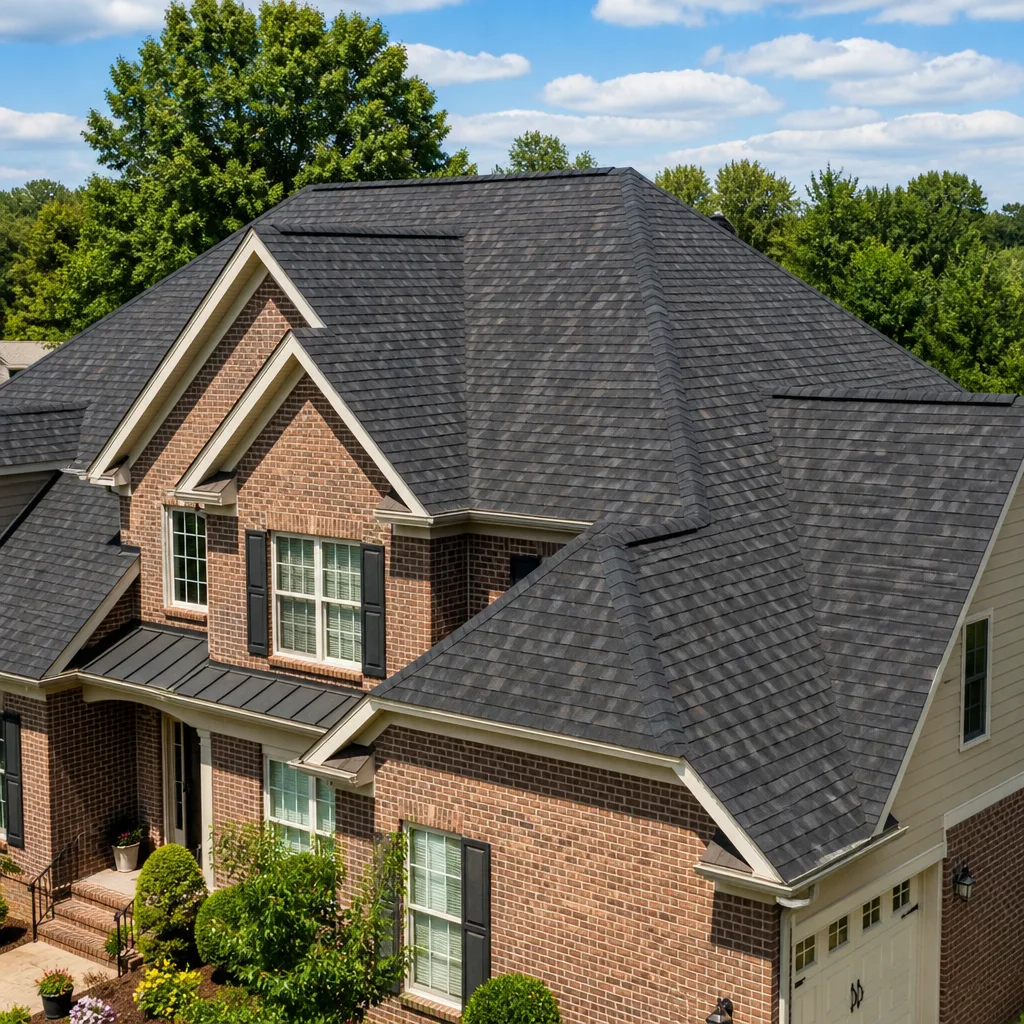
 Architectural shingles
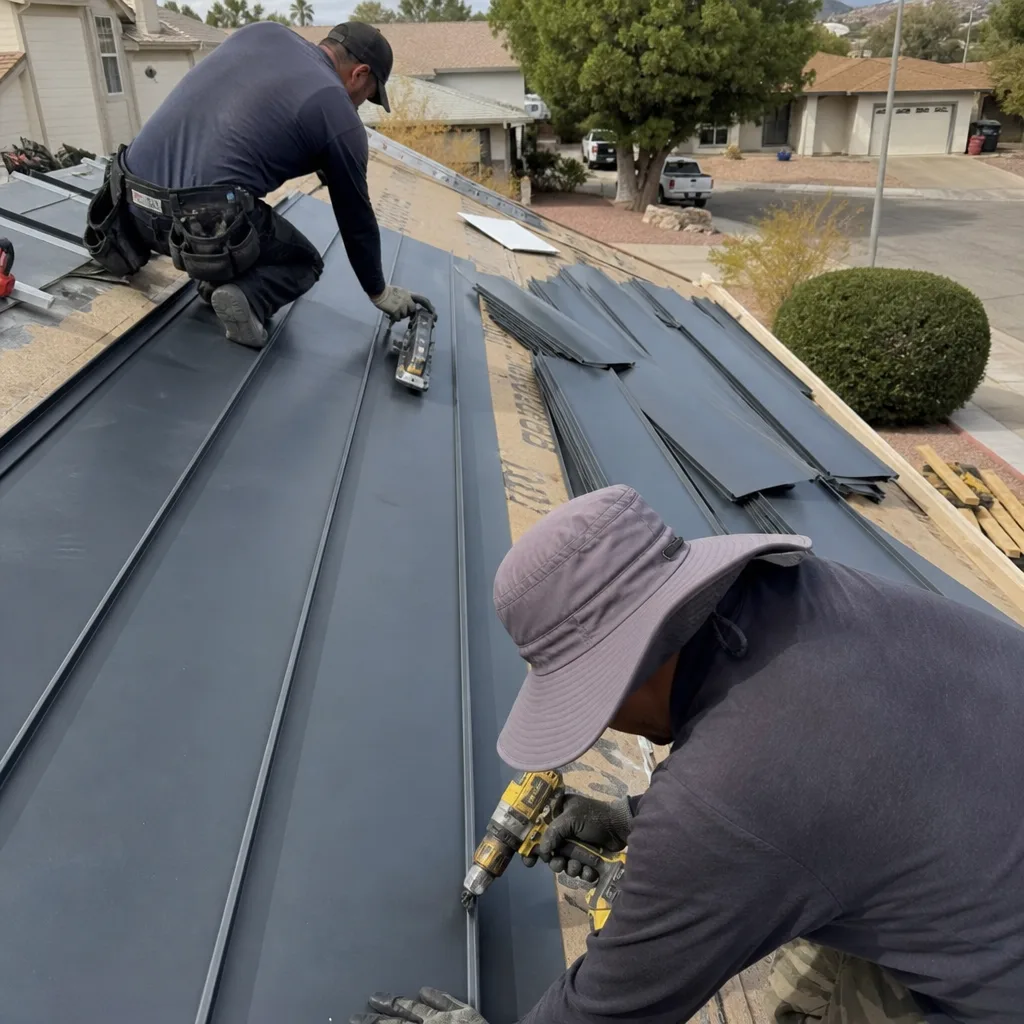
 Metal roofing
 Tile roofing
 GAF
 Owens Corning
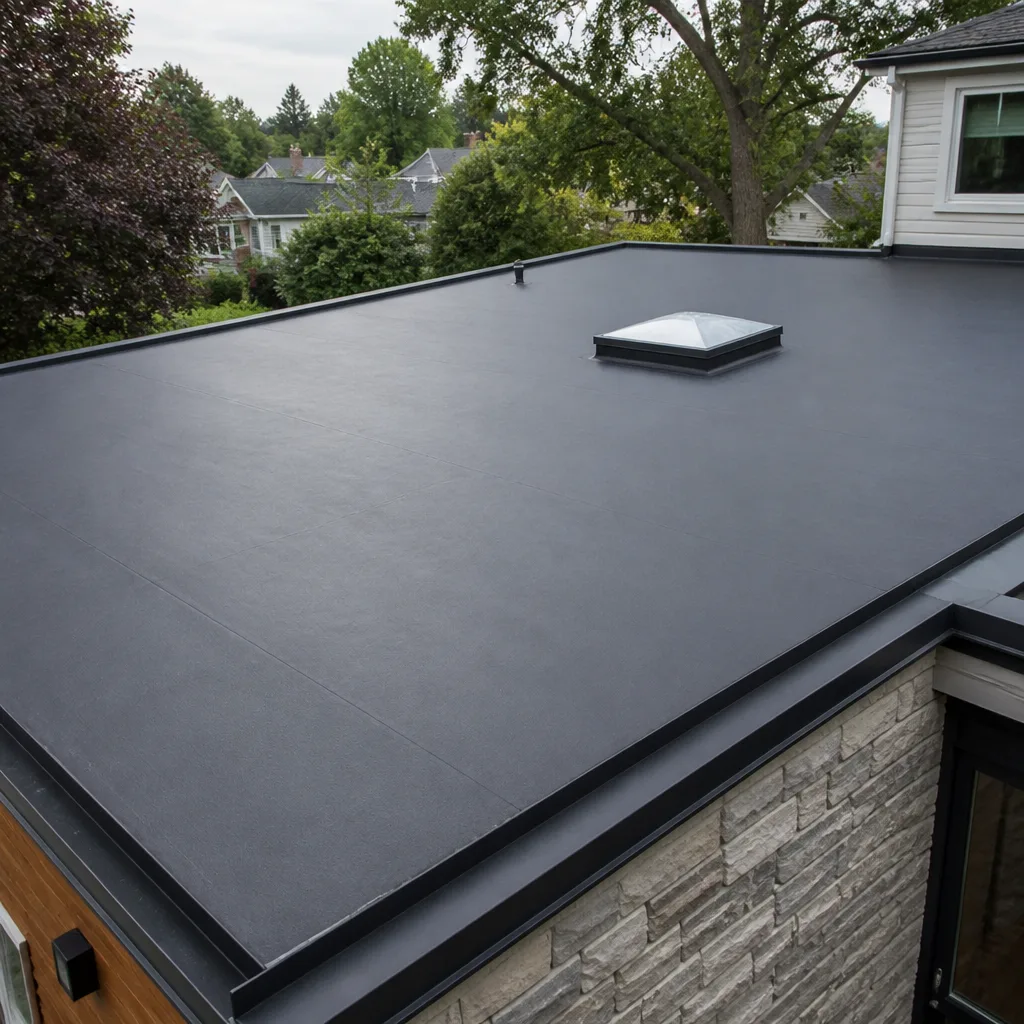 Flat & low-slope
Free roof inspection with deck photos before we talk money - GAF and Owens Corning certified installation
Roof Repair Troubleshooting: Common Problems and How to Fix Them
A ceiling stain directly under a bathroom vent is almost never caused by that vent. In our experience, the water usually entered six feet up the slope, ran down the underside of the decking, and only showed up on the ceiling where the drywall finally gave it away. That single fact explains the number-one reason “repaired” roofs leak again in the very next rain: the wrong spot got fixed. This guide walks through roof repair troubleshooting the way a journeyman actually does it, reverse-tracing symptoms back to the real entry point. If you live in Sunrise Manor, where monsoon gusts and hard desert sun do their own kind of damage, these patterns will save you from paying twice for the same leak.
Quick Answer
To troubleshoot a roof leak, start at the interior stain and trace it uphill, not straight up. Water follows gravity along decking and framing, so the point where it drips inside is usually several feet below and away from the actual breach. The four most commonly misidentified culprits are pipe boots, valley flashing, skylight curbs, and ridge cap. Finding the true source before anyone touches a shingle is what separates a repair that holds from one that fails next season.
Styles & brands we work with
- Architectural shingles
- Metal roofing
- Tile roofing
- GAF
- Owens Corning
- Flat & low-slope
Table of Contents
- How to Reverse-Trace a Leak From the Ceiling Stain to the Roof
- The Four Most Misidentified Repair Culprits
- Why Some Leaks Only Show Up in Wind-Driven Rain
- What a Sagging Decking Spot Is Really Telling You
- The Difference Between a Troubleshooting Inspection and an Estimate
- Sunrise Manor Climate and What It Does to Roofs
- What You Can Check Safely and What You Cannot
- Repair or Replace? Reading the Signs
How to Reverse-Trace a Leak From the Ceiling Stain to the Roof
Most people troubleshoot from the roof down. The better method works in the opposite direction: find the stain, follow the water back up. This is the single most useful skill in roof repair troubleshooting, and it is why a careful inspection beats a quick patch every time.
Here is the reverse-tracing method, step by step:
- Mark the interior stain. Note its exact location relative to a window, a vent, or an exterior wall. That reference point matters because you will use it to line up the spot on the roof above.
- Go into the attic during or right after rain. Look on the underside of the decking for water tracks, dark streaks, or damp insulation. Water leaves a trail even after it has dried. Follow the trail upslope.
- Trace along framing, not just decking. Water clings to rafters and trusses and runs sideways for surprising distances. A stain at the ridge of a ceiling often traces to a low point far to one side.
- Match the interior point to the roof plane above. Once you have the trail, step outside and inspect that specific area from the ground or a ladder, looking upslope of it. The entry is almost always higher than the drip.
- Confirm with a water test. A controlled trickle from a hose, worked slowly up the slope, can pin down the exact breach. This is the step most homeowners skip, and it is why they patch the wrong shingle.
On a recent Sunrise Manor home, a dining-room stain traced back to a cracked pipe boot on the far side of the ridge, nearly fifteen feet from where the water showed up inside. Patching the ceiling would have done nothing. Reverse-tracing found the boot in an afternoon. Our Roof Repair in Sunrise Manor service starts every job this way for exactly that reason.
The Four Most Misidentified Repair Culprits
When a roof leaks, four spots account for a large share of the calls – and a large share of the misdiagnoses. Knowing how to tell them apart is most of the battle.
- Pipe boots. These are the rubber collars around plumbing vents. The rubber cracks with age and sun exposure, and the breach is small and easy to miss from the ground. The tell: a leak that appears near a bathroom or kitchen vent but originates at the boot upslope. On Sunrise Manor roofs facing full afternoon sun, the rubber dries out faster than most homeowners expect.
- Valley flashing. Where two roof planes meet, water concentrates – a lot of it. Flashing that has lifted, corroded, or been nailed through is a common leak point. The tell: leaks that worsen during heavy rain and cluster along the inside corner below a valley.
- Skylight curbs. The frame around a skylight is a built-in seam, and seams fail. The tell: a leak near the skylight that shows up as condensation or a damp ring, sometimes mistaken for a glass problem when it is the curb flashing.
- Ridge cap. The shingles along the very top are exposed to the most wind and take the most abuse. The tell: leaks that appear only during wind-driven rain, often along a ceiling near the ridge line.
Telling them apart starts with location and timing. A leak near a vent that appears in any rain points to a boot. A leak that only shows in heavy, blowing storms points to ridge cap or a wind-driven seam. Getting the culprit right the first time is the difference between a repair and a repeat visit. Our Roof Replacement & Installation in Sunrise Manor team sees re-leaks most often when the original culprit was never correctly identified.
Why Some Leaks Only Show Up in Wind-Driven Rain
If your ceiling stays dry in a gentle rain but leaks in a storm, you have a wind-driven leak – and that changes the whole diagnostic. Still rain falls straight down. Wind-driven rain gets pushed sideways and up, forcing water under shingles, behind flashing, and into seams that stay tight in ordinary weather.
Wind-driven leaks usually point to these spots:
- Ridge cap and hip seams, where wind lifts the shingles and drives water beneath them.
- Valley edges where flashing has lifted just enough by a fraction of an inch.
- Sidewall and step flashing where the wall meets the roof, especially if caulk or sealant has aged.
- Fascia and rake edges that take the full force of the storm before the water finds the decking.
This matters for Sunrise Manor because the valley wind events that sweep through in fall and spring carry far more force than a steady rain. A roofer who only inspects on a calm, dry day can miss a wind-driven breach entirely. The fix is to note which storms produce leaks, then inspect the upslope seams the wind would push against. That single piece of information – what kind of rain caused the drip – narrows the search more than any tool. If your roof leaks only in windy storms, say so when you call. It saves time and usually saves the wrong repair.
What a Sagging Decking Spot Is Really Telling You
A soft or sagging spot on the roof deck is one of the most misunderstood symptoms in roof repair troubleshooting. Homeowners often assume new shingles over it will fix the look. They will not. A sag is telling you the structure underneath – the decking or a rafter – has been compromised, usually by long-term moisture.
Here is what a sagging spot can mean:
- Rotted decking. Water has soaked the plywood or plank, and it has lost its strength. Shingles alone will not support a failing deck.
- Warped or failing framing. A saturated rafter warps as it dries, and the roof surface follows it down.
- Undersized or damaged supports. Sometimes the sag is a sign of an old repair or a build-up problem, not just moisture.
- Trapped moisture under a previous patch. A poorly vented repair can trap water, and the deck softens months later.
The important point: shingle replacement over a sag does nothing but hide the problem for a while, and the leak returns. A proper repair means opening the roof, removing the damaged section, replacing the decking, and restoring the shingles above it. That is why a troubleshooting inspection – not a surface estimate – matters so much on a sag. If we find one in a Sunrise Manor home, we show the homeowner the photos from the actual roof, not a speech in the driveway. When the deck needs attention, we tell you plainly. We will not sell you shingles to cover a structural problem.
The Difference Between a Troubleshooting Inspection and an Estimate
This is where a lot of homeowners lose money, and it is worth being clear about. A troubleshooting inspection is a diagnostic: we find the actual source of a problem. An estimate is a price for a defined scope of work. Confusing the two is the fastest route to paying twice for the same leak.
How they differ:
- A troubleshooting inspection answers “where is the water coming from and why?” It includes looking at the deck, the flashing, the boots, the gutters, and the interior trail. It produces findings, often with photos taken from your actual roof.
- An estimate answers “what will it cost to fix what we found?” It is only as good as the inspection behind it. An estimate without a proper inspection is a guess dressed up as a price.
A contractor who hands you a price before tracing the leak is quoting a repair they have not diagnosed. That is how homeowners end up with a patched spot that leaks again the next rain. On a Sunrise Manor home, a proper inspection usually takes half an hour to an hour, and it is time well spent. When we inspect, we use photos so you can see what we see, and the number on the estimate is the number on the invoice. No surprises.
If you are comparing written estimates from more than one roofer, our permanent offer of a free second opinion on any written estimate exists for exactly this reason: to help you confirm the diagnosis before you commit.
Sunrise Manor Climate and What It Does to Roofs
A roof in Sunrise Manor lives a different life than a roof in a wetter climate. The threats here are less about constant rain and more about sun, heat, and sudden wind. That changes how roof repair troubleshooting works in this community, and it is why a repair that makes sense on the coast may not hold here.
What we watch for in Sunrise Manor:
- Intense afternoon sun ages rubber pipe boots and sealant faster than most homeowners expect. Boots that look fine from the ground often crack on the sunward slope first.
- High summer heat makes shingles brittle and causes sealant strips to open at seams. Ridge caps and hip edges take the brunt.
- Wind and dust storms drive grit into flashing gaps and test every seam, which is why wind-driven leaks are common here.
- Rare but heavy rain finds any weak point at once, because the dry decking has no practice handling water. A small breach that would be a slow drip elsewhere turns into a real leak in a storm.
This is the local context a template guide will never give you. A roofer who knows Sunrise Manor knows that the sunward slope of a west-facing roof tells a different story than the shaded slope, and that a pipe boot on one side of the ridge may be failing while the other side still has life. We see it constantly: a leak that presents like a flashing problem turns out to be a sun-baked boot three feet away. Our Ridgeline Roofing Co. Sunrise Manor home page explains more about how we work with local homes.
What You Can Check Safely and What You Cannot
Some troubleshooting from the ground is genuinely useful. Some is genuinely dangerous, and we would rather you not risk it. Walking a roof – especially one that is steep, wet, or aging – is a job for someone with the right training and equipment. The most serious injuries in this work come from falls, not from the repair itself.
Safe, ground-level checks you can do:
- Look from a distance with binoculars. Note lifted shingles, missing pieces, cracked pipe boots, and dark streaks. Note the direction and weather when a leak appears inside.
- Keep a ceiling-stain log. Date, weather, and exact spot for each drip. This is money in the bank for the inspection.
- Check the attic access if it is safe and dry. Look for water tracks upslope of the stain. Do not walk on damp rafters.
- Clear obvious debris from gutters at ground level where you can reach safely, without climbing onto the roof.
What you should not do: climb onto a steep or wet roof, pry up shingles to look underneath, or try to reseal flashing from a ladder. Flashing repairs require lifting shingles and resealing to a specific overlay, and a homegrown fix often traps water and makes the problem worse. The safety caveat is real: roof falls are serious and sometimes fatal, and this is work for a trained professional. When in doubt, stay on the ground and let an inspector go up.
Repair or Replace? Reading the Signs
Troubleshooting often ends with a bigger question: is this a repair, or is the roof at the end of its life? Getting this wrong in either direction costs money. A good repair extends a roof that still has years left. A replacement done too early wastes money; a replacement deferred too long causes interior damage.
Signs a repair is likely to hold:
- The leak traces to a single, identifiable spot – a boot, a valley, a skylight curb, or ridge cap – and the surrounding shingles are sound.
- The roof is a single layer, well-ventilated, and the deck around the breach is solid.
- The problem appeared suddenly after a storm, and the rest of the roof has no pattern of leaks.
Signs replacement may be the better call:
- Repeated leaks in new places, especially on multiple slopes.
- Soft or sagging deck in more than one spot, showing long-term moisture.
- Brittle, curling shingles across a wide area, not just at the breach.
- Several layers of old shingles underneath, which hides problems and shortens life.
For the bigger jobs, our Specialty Roofing in Sunrise Manor team handles the complex assemblies – skylights, valleys, and low-slope sections – where the diagnosis matters most. And when the answer is replacement, we install products from seven manufacturer brands, including GAF, CertainTeed, Owens Corning, and Tamko, so the materials match the home. We quote what the job needs, not the biggest version of it.
Common Mistakes to Avoid
- Patching straight down from the stain. Water travels down the decking, so the spot above the drip is usually the wrong spot. Trace it upslope before anyone touches a shingle.
- Quoting before diagnosing. A price without an inspection is a guess. Insist on a real troubleshooting inspection with photos from the actual roof.
- Ignoring how the weather affects the leak. A leak that only shows in wind-driven rain points to different culprits than one that appears in any rain. Note the conditions.
- Covering a sag with new shingles. A soft deck means moisture and possibly rot. Shingles alone hide the problem for a season, then it returns.
- Paying the lowest bid and losing the warranty. A repair without a written workmanship guarantee can leave you paying twice. Our permanent $50 off any repair over $250 offer is meant to make the square deal easier, not to compete on price alone.
- Resealing flashing from a ladder. A partial seal can trap water and send it deeper. This is a trained-professional job, and the fall risk is real.
- Assuming Sunrise Manor storms are like rain elsewhere. Wind and heat do distinct damage here. A fix that ignores local conditions may not survive the next hard blow.
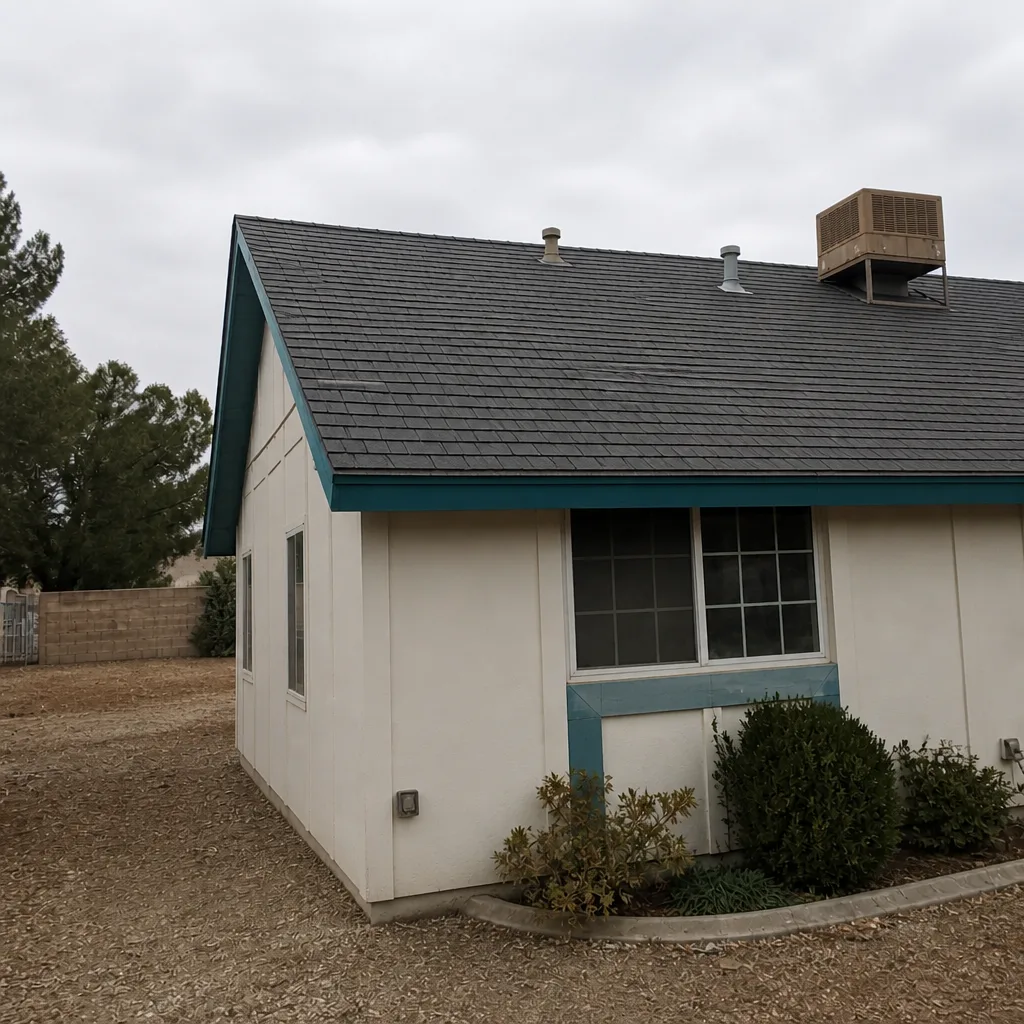
See the difference
 Before
 After
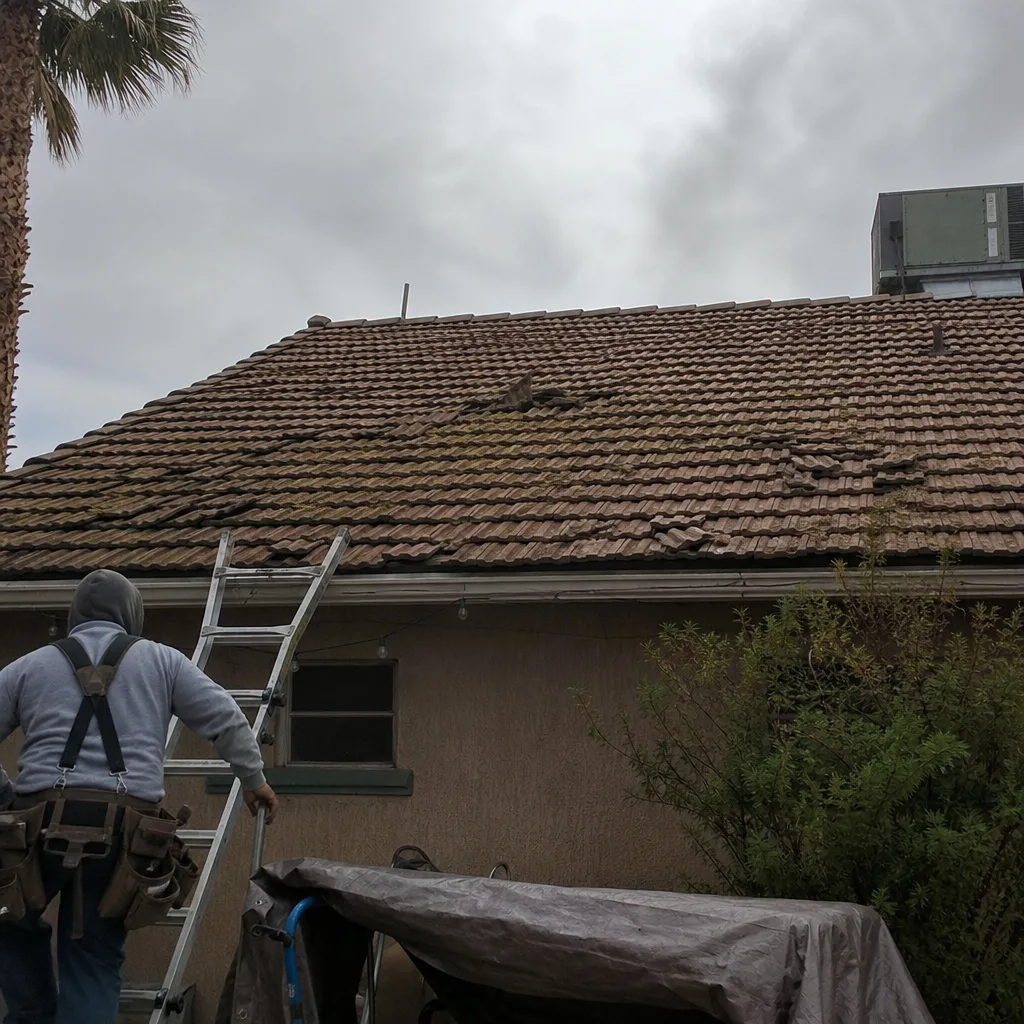 Before
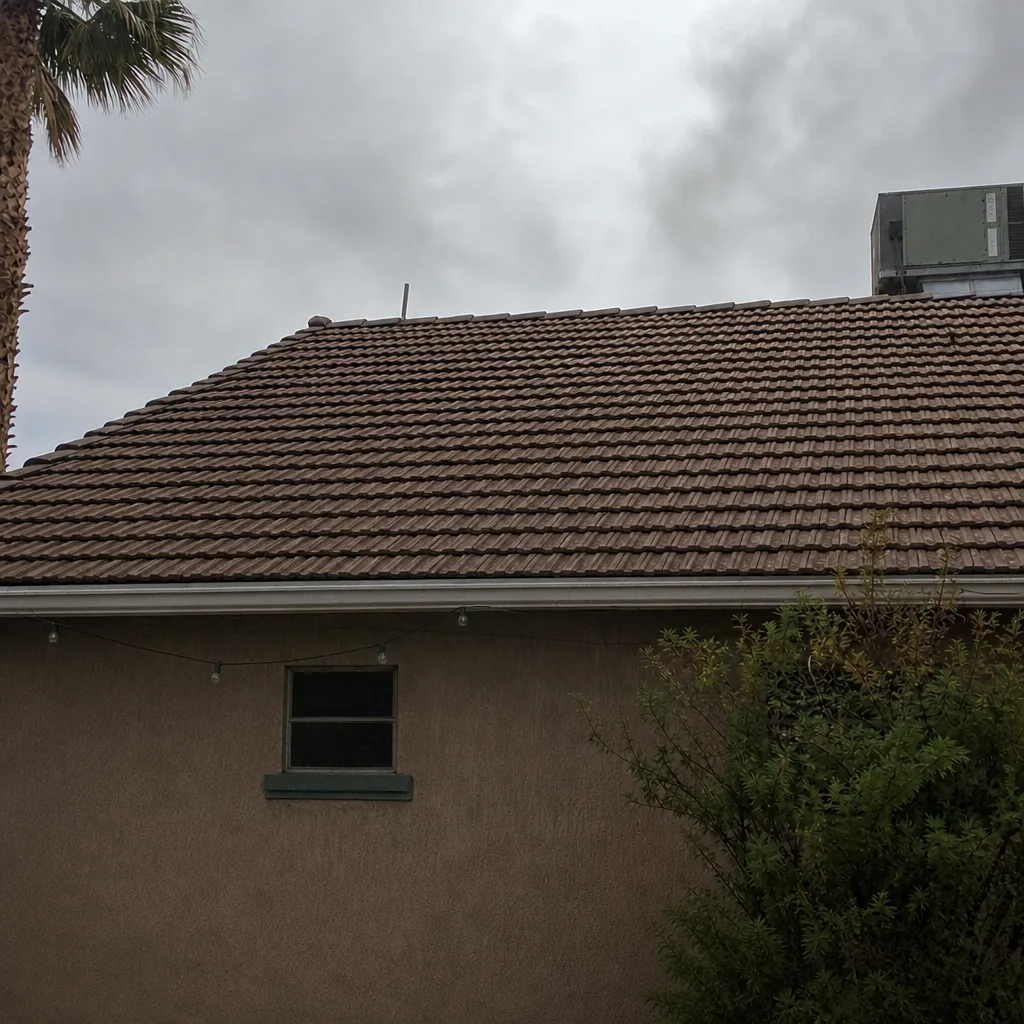 After
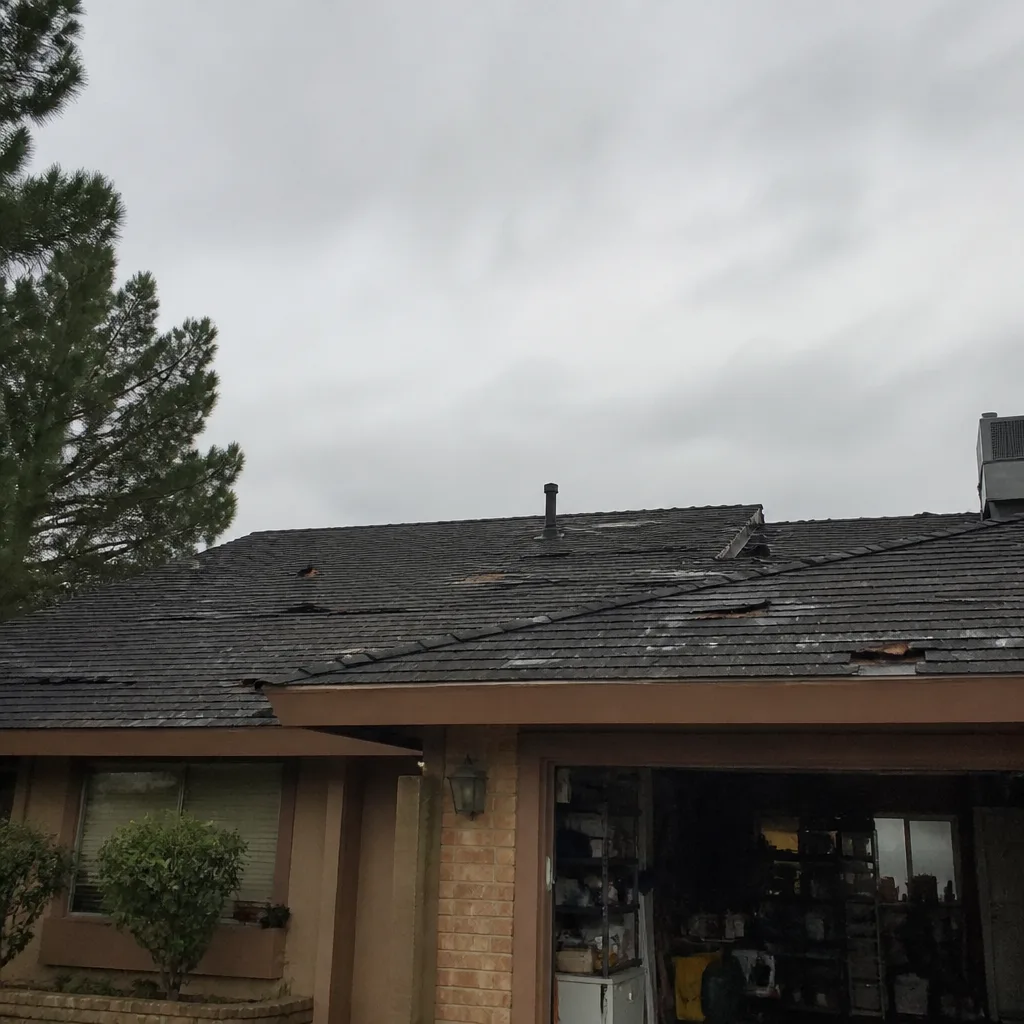 Before
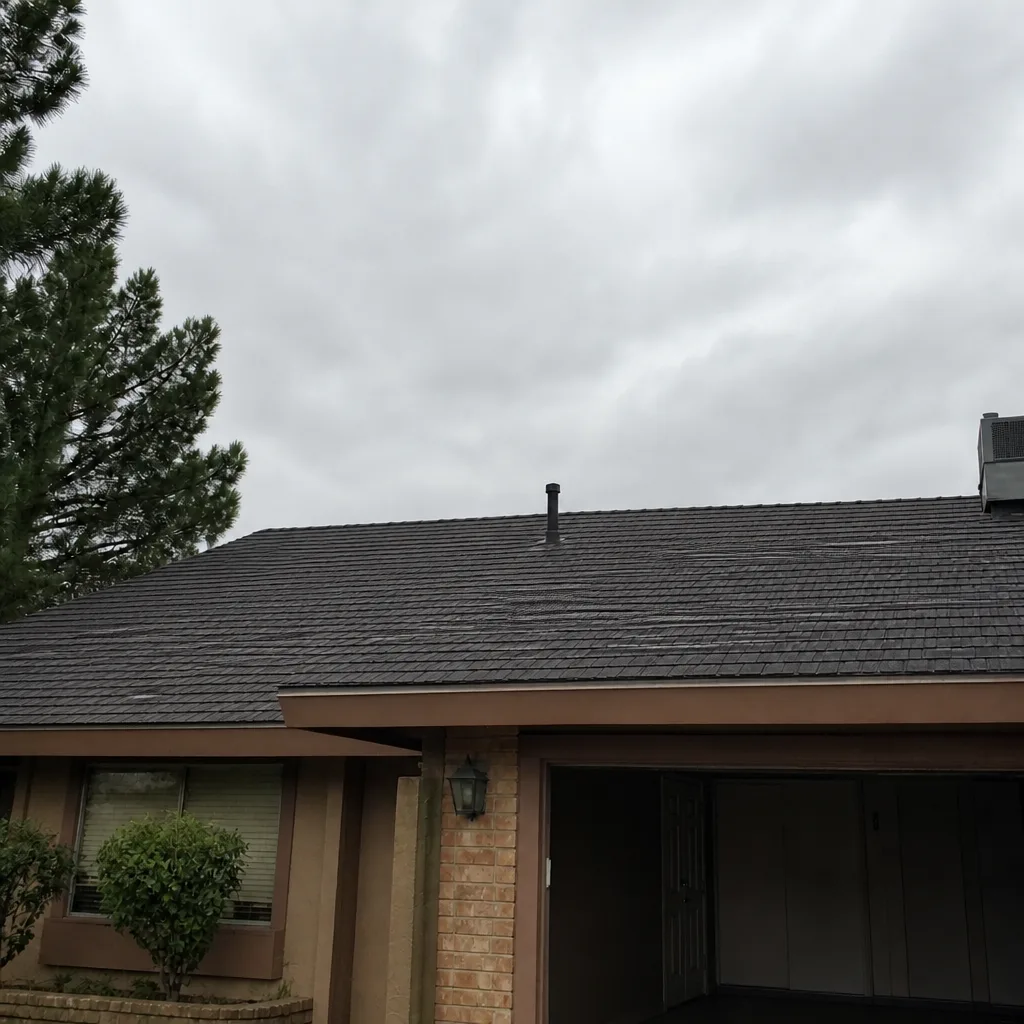 After
When to Call a Professional
Call a professional when the leak comes back after a patch, when a ceiling stain grows, when you see a sag, or when you cannot trace the source from the ground. Call immediately after a storm that lifted shingles, drove debris into the roof, or opened a seam, and call if water is reaching the interior. Wind-driven leaks, valley and skylight flashing, and anything involving the deck are not do-it-yourself territory. A trained inspector can reverse-trace the leak, show you photos from your actual roof, and quote a fixed price with no surprises. Ridgeline Roofing Co. Sunrise Manor offers free estimates in Sunrise Manor – call (844) 941-3509. A live person answers every call, 24/7, including nights, weekends, and the middle of a storm. Every job is backed by our written 90-Day Done Right Promise: if it is not right, we come back and make it right.
Frequently Asked Questions
Most single-spot repairs in Sunrise Manor fall in a broad range that depends on the culprit – a pipe boot fix, a small valley flashing repair, or a skylight curb repair each carry a different scope and price. Because the cost depends entirely on what the inspection finds, we quote after diagnosis, not before. Call (844) 941-3509 for an exact quote – estimates are free.
Leak repairs are scheduled as quickly as we can get a trained technician out and diagnose the source correctly, but the priority is finding the real entry point, not rushing a patch. A wind-driven leak misdiagnosed for speed will leak again. Call (844) 941-3509 and we will schedule the inspection around your availability.
Wind-driven rain gets pushed sideways and up, forcing water under shingles and into seams that stay tight in calm weather. That pattern points to ridge cap, valley edges, or step flashing on a sidewall. Tell the inspector which storms cause the leak, because it narrows the search faster than anything else.
No. Water runs along the decking and framing, so a stain usually appears several feet below and away from the actual breach. In our experience, a stain under a bathroom vent is often caused by a failing pipe boot upslope. Reverse-trace from the stain to find the real entry point.
You need the inspection first. An estimate is only as good as the diagnosis behind it, and a price quoted before the leak is traced is a guess. Ask for photos taken from your actual roof so you can see the findings before you see the number.
With us, no. No-hassle upfront pricing means the number on the estimate is the number on the invoice, with no surprise add-ons. If the inspection finds something different from what was quoted, we discuss it with you before any work begins. Call (844) 941-3509 to schedule your free estimate.
The Bottom Line
Most roof leaks get fixed twice because the symptom was treated instead of the source. Reverse-trace from the interior stain uphill along the decking, match the trail to the roof above, and confirm the entry before anyone touches a shingle. Know the four usual suspects – pipe boots, valley flashing, skylight curbs, and ridge cap – and pay attention to whether a leak only shows in wind-driven rain. Treat a sag as a structural warning, not a surface blemish, and remember that a troubleshooting inspection comes before an estimate, never after. Do that, and you fix the real problem once. In Sunrise Manor, where sun and wind wear roofs faster than rain, that discipline saves you a second repair next season.
If you would rather have a trained eye handle the diagnosis, call Ridgeline Roofing Co. Sunrise Manor at (844) 941-3509 for a free estimate. Our technicians have up to 10 years of experience, arrive in uniform, and document every inspection with photos taken from your actual roof. The number we quote is the number you pay, our 90-Day Done Right Promise is written down, and a live person answers every call, 24 hours a day. We stand behind it – no paperwork, no arguing.
Written by the team at Ridgeline Roofing Co. Sunrise Manor.