
Last updated November 18, 2026
 Architectural shingles
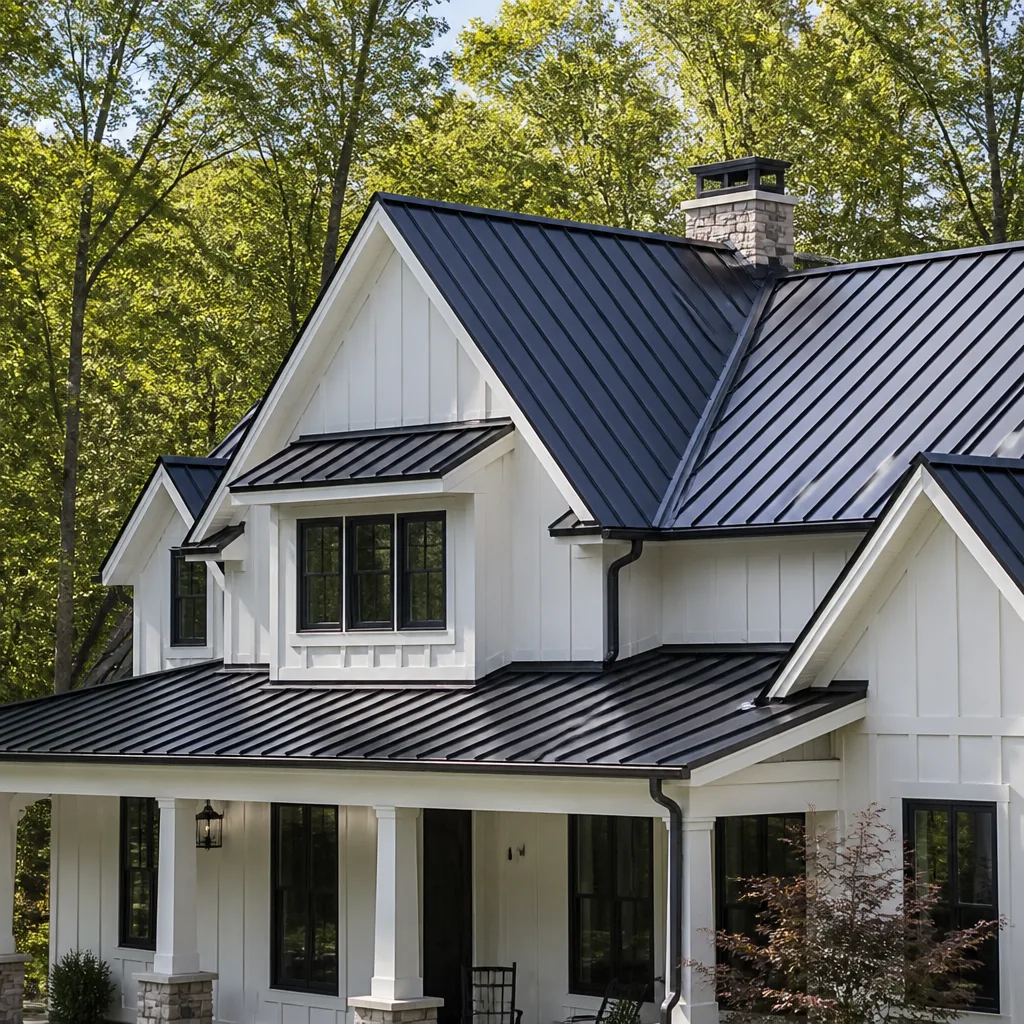 Metal roofing
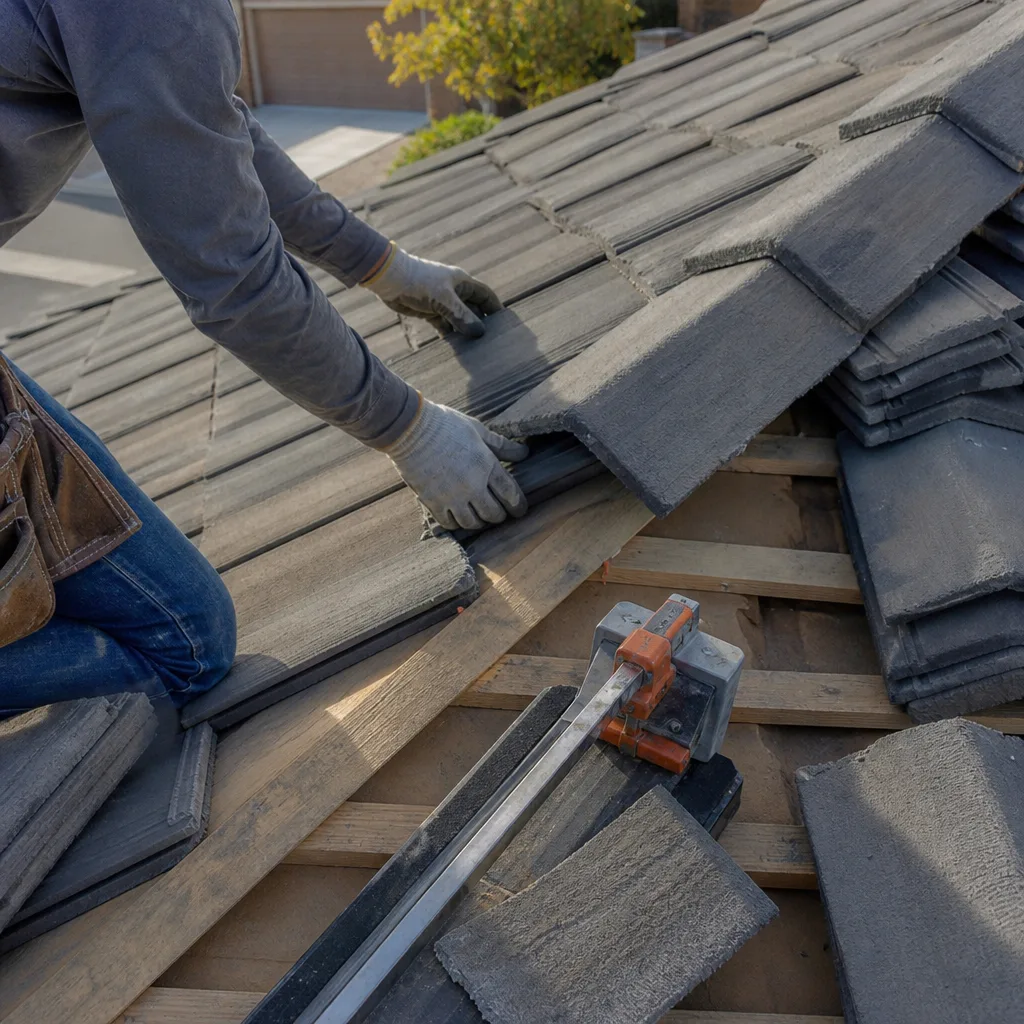
 Tile roofing
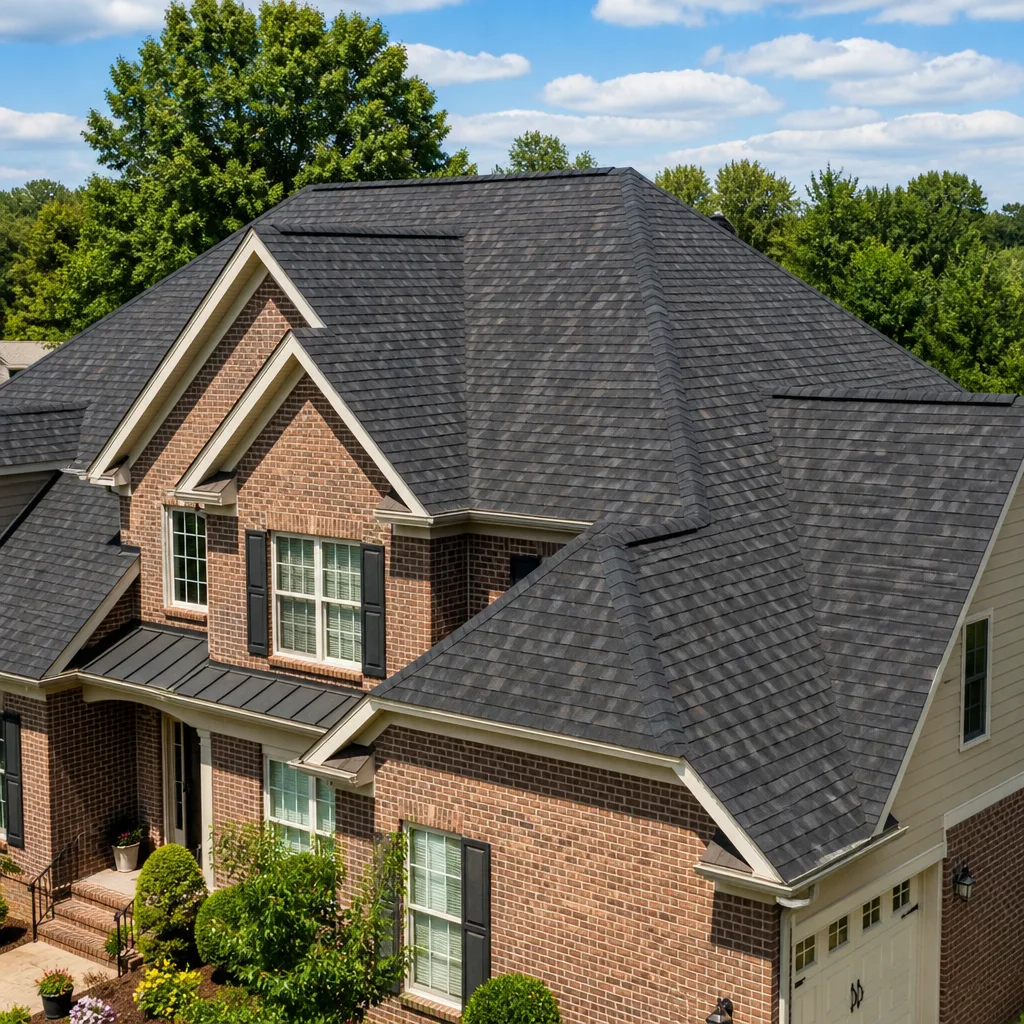 GAF
 Owens Corning
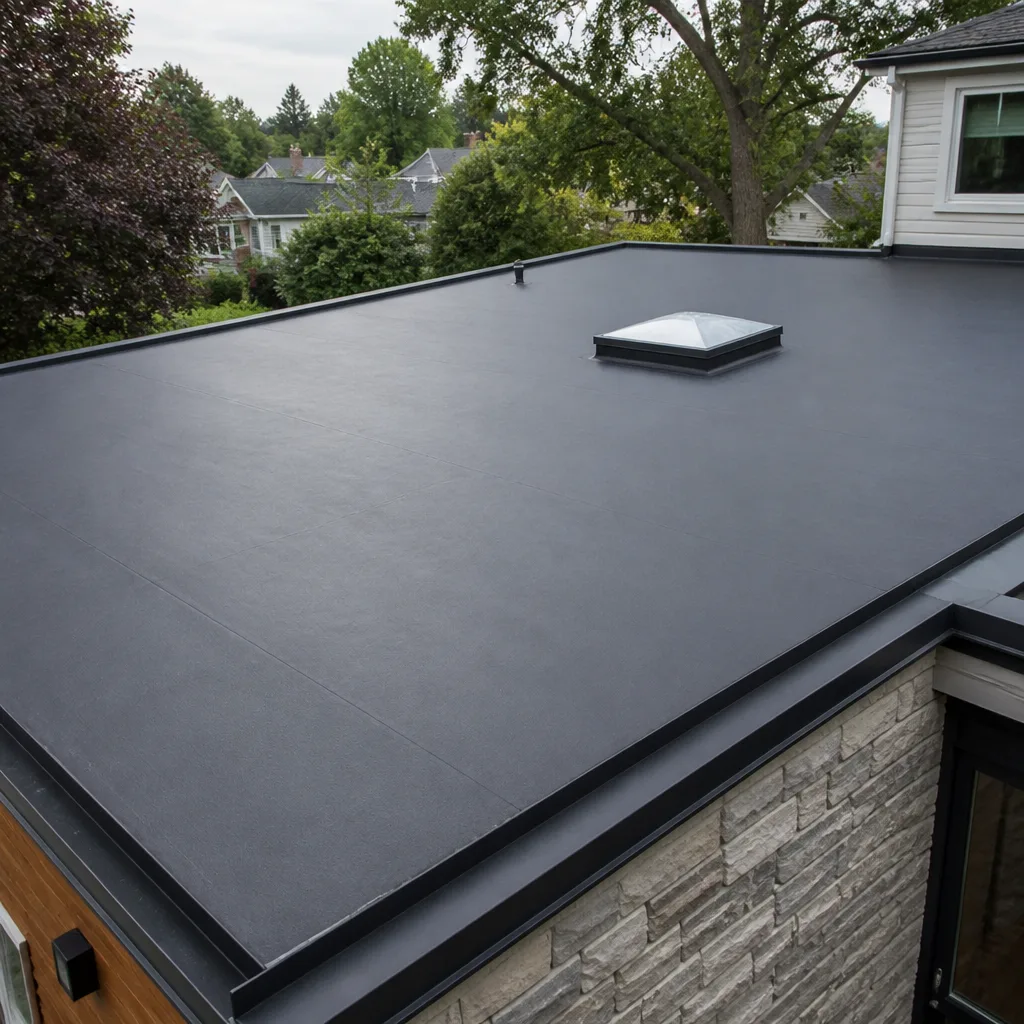 Flat & low-slope
Free roof inspection with deck photos before we talk money - GAF and Owens Corning certified installation
Roof Replacement & Installation Maintenance Schedule: What to Do and When
The most neglected stretch of a roof’s life is not year five or year ten. It is the first 90 days after the shingles go down. In those early weeks, thermal expansion, fastener seating, and sealant curing open small gaps that are trivially cheap to close now and quietly expensive to leave alone. Most homeowners never think to look. We’ve been on Sunrise Manor roofs long enough to see the evidence. This guide lays out a full maintenance schedule for a new roof, the 90-day window, and the long-term routine, so nothing gets missed.
Quick Answer
A new roof needs its first real inspection within 90 days of installation, then again after the first heavy rain, the first heat cycle above 100°F, and the first monsoon wind event. After that, plan one annual inspection in October (post-monsoon) and a light check each spring. Clean gutters twice a year, keep debris off the roof, and save every document for warranty and resale.
Styles & brands we work with
- Architectural shingles
- Metal roofing
- Tile roofing
- GAF
- Owens Corning
- Flat & low-slope
Table of Contents
- The 90-Day Window: Why New Roofs Need Attention Right Away
- The Post-Installation Checklist: First Rain, First Heat, First Wind
- Year 1 to 5: Maintenance for a New Roof
- Roofs 10+ Years: The Routine Schedule Changes
- How to Protect Your Manufacturer Warranty
- Why October Is the Most Valuable Inspection in Sunrise Manor
- What Records to Keep (and How to Format Them)
- Common Mistakes to Avoid
- When to Call a Professional
- Frequently Asked Questions
The 90-Day Window: Why New Roofs Need Attention Right Away
Here is the counterintuitive part. A new roof is not “done” the day the crew drives away, at least not in the sense most people assume. The materials are still settling. Shingle sealant strips are curing, and some strips will not fully bond until they’ve been heated by the sun and cooled several times. Fasteners that seated perfectly in the morning may lift a fraction of an inch by the third hot afternoon. Flashing that looked tight during installation can show a tiny gap once the framing moves through its first big temperature swing. That is not a flaw in the job. It is normal behavior for any roof.
What separates a roof that lasts from one that starts failing early is whether anybody bothers to look during this settling period. On a new roof in Sunrise Manor, the swings are real: July afternoons past 110°F, winter mornings in the 30s, and monsoon wind events that push hard against every ridge and valley. Each of those pulls at a different part of the assembly. A popped fastener, a lifted shingle edge, or a bead of sealant that didn’t cure evenly is cheap to correct when it’s caught in week six and expensive when it’s found in year two after water has been getting in.
This is why the first 90 days deserve their own section of the maintenance calendar, not a passing note. If your roof was installed by Ridgeline Roofing Co., the written 90-Day Done Right Promise covers workmanship in that exact window. If it isn’t right, we come back and make it right, no arguing, no paperwork runaround. Learn more about our Roof Replacement & Installation in Sunrise Manor.
The Post-Installation Checklist: First Rain, First Heat, First Wind
Three events tell you most of what you need to know about a new roof. Use each one as a checkpoint.
After the First Rain
- Walk the perimeter and look for water staining or drip marks on the fascia and soffit.
- Check gutters for granules washing down, a small amount is normal for a new roof, a heavy accumulation is not.
- Look at the ground beneath valleys and penetrations for drip marks or splash patterns.
- From inside the attic, check for daylight or stains around chimneys, vents, and skylights.
After the First Heat Cycle Above 100°F
- Look at shingle tabs on south- and west-facing slopes; heat is what bonds sealant strips, so this is when a lifted tab shows.
- Notice any new creaking, popping, or expanding sounds, a few are normal, constant ones are not.
- Check attic ventilation air flow on a hot afternoon; a hot roof that won’t vent shortens shingle life.
After the First Monsoon Wind Event
- Scan the ground for loose shingles or granules following a hard gust.
- Check ridge caps and the wind-facing slope for tabs that lifted but did not tear.
- Look at the eaves and soffit for any loosened or missing pieces.
Do this from the ground with binoculars. Do not walk a wet or hot roof yourself. Catching a lifted shingle from the driveway takes five minutes; falling off the roof does not. If anything looks off, call us at (844) 941-3509 and we will send a technician to document it with photos from the actual roof.
Year 1 to 5: Maintenance for a New Roof
The first five years are the quiet years. Your job here is simple discipline and record-keeping.
- Two gutter cleanings a year. Late spring and late fall work well in Sunrise Manor. Clogged gutters back water up under the edge and rot the fascia.
- One full annual inspection. In October, for reasons covered below. Ask for photo documentation.
- Keep the roof clear. Branches, palm fronds, and desert debris trap moisture and shade the shingle, both of which age it faster.
- Trim overhanging trees. Even a little shade matters in a place where the sun does most of the maintenance of keeping the shingle dry.
- Log every inspection and repair. Note the date, what was checked, and who did it.
What you should not do in years one to five is let anyone talk you into a full replacement. A new roof made with CertainTeed or Owens Corning materials should not need replacement in this window. If a contractor tells you it does after a single storm, get a second opinion. Ridgeline offers a free second opinion on any written estimate, and that offer exists for exactly this reason.
Roofs 10+ Years: The Routine Schedule Changes
Once a roof is ten years old, the maintenance shifts from protecting a fresh install to tracking wear. The same annual rhythm applies, but the stakes and the checklist get deeper.
- Inspection frequency rises to twice a year on asphalt roofs, once in spring and once in October. Aging shingles lose granules faster, and eroded spots are easier to spot than to guess at.
- Check attic insulation and ventilation. An under-vented roof bakes shingles from below; correcting it pays for itself in roof life.
- Watch for curling, cracking, or bald patches. These are the first signs the shingle is drying out. On a well-installed 15-year-old roof in Sunrise Manor, we expect some surface aging but no exposed underlayment.
- Inspect valleys and flashings closely. Metal flashing outlives shingles, but its sealant joints do not; they need touch-up every few years.
- Budget and plan. A roof approaching the end of its service life is when a scheduled replacement costs less than a storm-driven emergency one.
If you’re not sure where your roof falls on this timeline, our Roof Repair in Sunrise Manor team can inspect and tell you plainly what’s left of the roof and what isn’t. We’d rather give you an honest five-year outlook than an unnecessary replacement.
How to Protect Your Manufacturer Warranty
This is where a lot of homeowners get a rude surprise. Manufacturer warranties on GAF, CertainTeed, and Owens Corning products are typically strong, but they are not automatic. They come attached to specific requirements, and the ones most often missed concern documentation.
- Register the product. Most manufacturers require the shingle system to be registered within a set window after installation. If nobody registered yours, the coverage may be limited or void.
- Keep the original invoice and materials list. Warranty claims routinely ask for proof of the products and the install date.
- Maintain the roof. A warranty generally requires reasonable upkeep. Large piles of debris, blocked ventilation, or obvious neglect can become a denial reason.
- Use qualified installers and document the work. Repairs by unvetted crews in the wrong materials can compromise coverage on the surrounding roof.
- Keep every inspection report. When a claim comes up years later, the paper trail of professional inspections is your best advocate.
We install across seven manufacturer lines, including IKO and Atlas, and we document every inspection with photos taken from your actual roof. It isn’t a scare tactic in the driveway; it’s the file you’ll want in a drawer if anything ever goes wrong.
Why October Is the Most Valuable Inspection in Sunrise Manor
Every climate rewards a different inspection month. In Sunrise Manor, it’s October. By then the summer monsoon has finished its work and left whatever it left, wind-lifted shingles, loosened flashing, debris piled in the valleys. The brutal heat is over, so the shingle is cool enough to walk safely and sealant can be inspected without heat haze. And the coming winter’s cold-weather contraction hasn’t started yet. October catches the monsoon damage and lets us fix it before the cold season works it deeper.
If you do one maintenance touch this year, make it this one. An October inspection after the monsoon tells you exactly where the roof stands before winter, and it’s the single most cost-effective appointment on the calendar. For specialty details like tile and metal that need their own handling, our Specialty Roofing in Sunrise Manor team covers those systems too.
What Records to Keep (and How to Format Them)
Three people will eventually ask you for your roof records: an insurance adjuster, a buyer when you sell, and a warranty rep. Make sure you can answer all three. We recommend keeping everything in one folder, physical and digital:
- Installation paperwork. Invoice, materials list, and the manufacturer’s warranty certificate with the registration confirmation.
- Workmanship guarantee. Your policy in writing, kept with the install documents.
- Inspection log. One line per inspection: date, inspector, findings, and photos attached.
- Repair receipts. Dated, with materials and labor noted. Insurance will ask.
- Photo sets. Label each set by date and area of the roof, so a reader can see before and after.
Format matters. A pile of loose photos helps nobody. A dated log with attached photos can be handed to an adjuster and read in a minute. Ridgeline provides photo documentation on every inspection, which is the raw material for exactly this kind of file.
Common Mistakes to Avoid
- Skipping the 90-day look. It’s the easiest window to miss and the cheapest to catch. A lifting tab found early is a five-minute fix.
- Walking the roof yourself after a storm. Hot, wet, or wind-loose shingles are a danger to fall from. Inspect from the ground and leave the climbing to a trained professional.
- Ignoring the first monsoon damage because “it’s a new roof.” New roofs still need a post-wind check. The sealant hasn’t fully cured yet early on.
- Forgetting to register the warranty. Most homeowners don’t know the requirement exists until a claim gets denied. Register the product the week the install finishes.
- Letting a storm chaser convince you the roof is totaled. In Sunrise Manor, trucks appear on driveways after every monsoon. Get a second opinion before signing anything.
- Never cleaning the gutters. Backed-up gutters rot the fascia and can push water under the shingle edge, a slow leak from the top down.
- Keeping no records at all. The file you build during the quiet years is the one that pays off at resale and at claim time.
When to Call a Professional
Most of this guide is designed to be done from the ground. A few situations are not, and they are the ones to hand to someone trained for the work. Call a professional if you find any of the following: shingles that lifted during a monsoon and didn’t reseat; visible water staining on the ceiling or in the attic; granule loss that leaves bare patches; flashing gaps around a chimney, vent, or skylight; or a fascia that’s soft under the drip edge. Also call if you simply can’t see well enough to be sure. Roof heights and steep pitches are a genuine danger, and no inspection is worth a fall. Ridgeline Roofing Co. Sunrise Manor offers free estimates in Sunrise Manor. Our technicians document every inspection with photos from your actual roof, and the phones are staffed by a live person around the clock. Call (844) 941-3509.
Frequently Asked Questions
Inspect within the first 90 days, and specifically after the first heavy rain, the first heat cycle above 100°F, and the first monsoon wind event. Those three moments reveal settling issues while they’re still trivial to fix. Call (844) 941-3509 to schedule a post-install inspection with photo documentation.
Twice a year for general upkeep (one gutter cleaning and one full inspection in October) with a light check each spring. The October post-monsoon inspection is the most valuable touch of the year in Sunrise Manor because it catches monsoon damage before winter sets in.
Yes. Manufacturers like CertainTeed and Owens Corning generally require product registration and reasonable maintenance for coverage to hold. Skipping registration or leaving the roof neglected can weaken or void a claim. Keep your install invoice and registration confirmation together, and call (844) 941-3509 if you’re unsure what applies to your roof.
Do a ground-level check with binoculars for loose or lifted shingles and wind damage to ridge caps, eave edges, and gutters. Do not walk the roof yourself. If anything looks wrong, call a professional. Call (844) 941-3509 and we’ll document what we find.
A properly installed and maintained asphalt roof typically gives the range you’d expect for a hot desert climate, with strong sun and heat shortening service life compared to milder places. Ventilation, roof color, and annual maintenance all move the number. A Ridgeline inspection can give you a realistic remaining-life estimate.
Yes, start the file on day one. Insurance claims, resale disclosures, and warranty claims all ask for it years later, and the records built during the quiet early years are the ones that count. Ridgeline’s photo-documented inspections are designed to make that file easy to build.
The Bottom Line
The biggest maintenance risk on a new roof lives in the first 90 days, not year ten. Catch the fastener pops, lifted shingle edges, and flashing adjustments while they’re still small, and you avoid the slow accumulation of quiet damage. After that first window closes, keep a simple discipline: two gutter cleanings a year, an annual October inspection, prompt attention to monsoon damage, and a records file you can hand to an adjuster or a buyer. Get that one right, and the roof you paid for proves itself, season after season.
Ridgeline Roofing Co. has served homeowners since 1984, and we’ve maintained the same standard the whole time: a square deal, honest work, and a written 90-Day Done Right Promise that we honor without argument. Our technicians bring up to 10 years of experience, arrive background-checked and in uniform, and document every inspection with photos from your roof. Call (844) 941-3509 to schedule your free estimate.
Written by the team at Ridgeline Roofing Co. Sunrise Manor.
See the difference
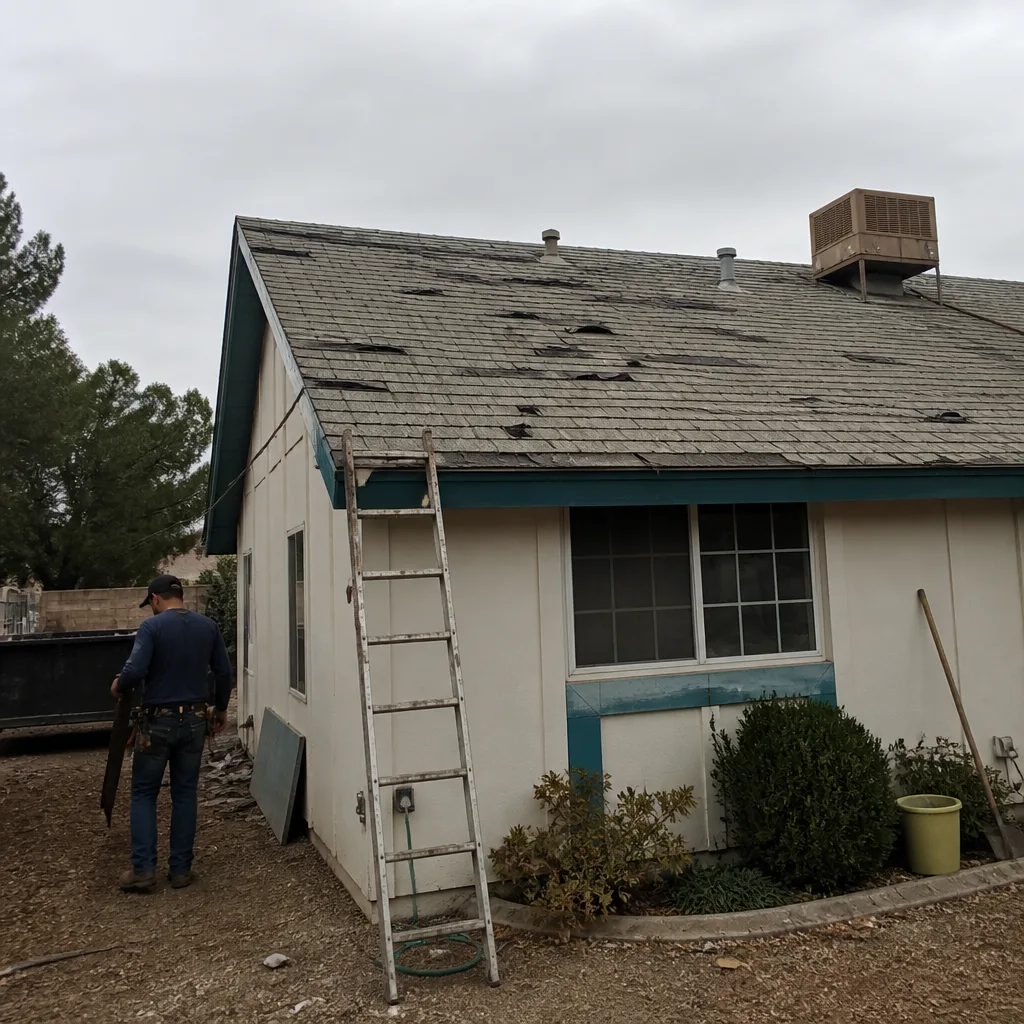 Before
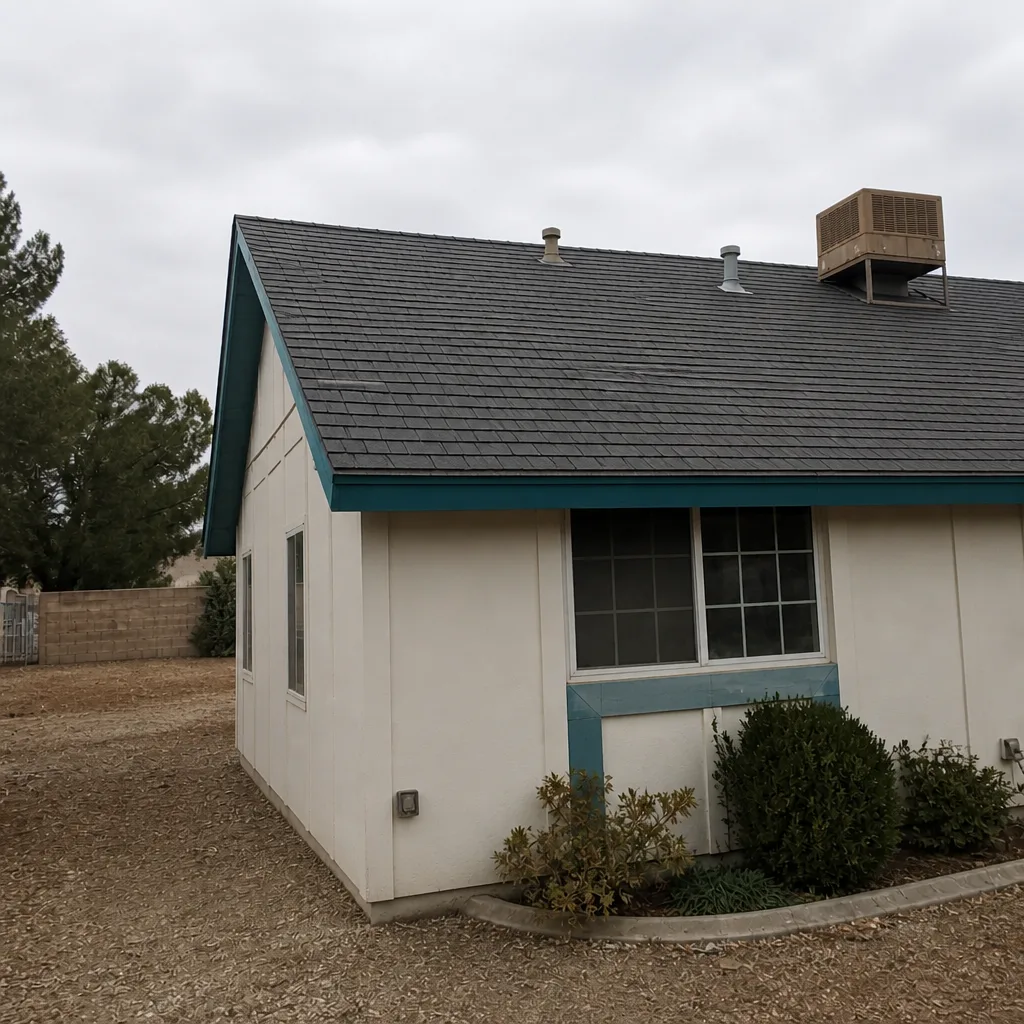 After
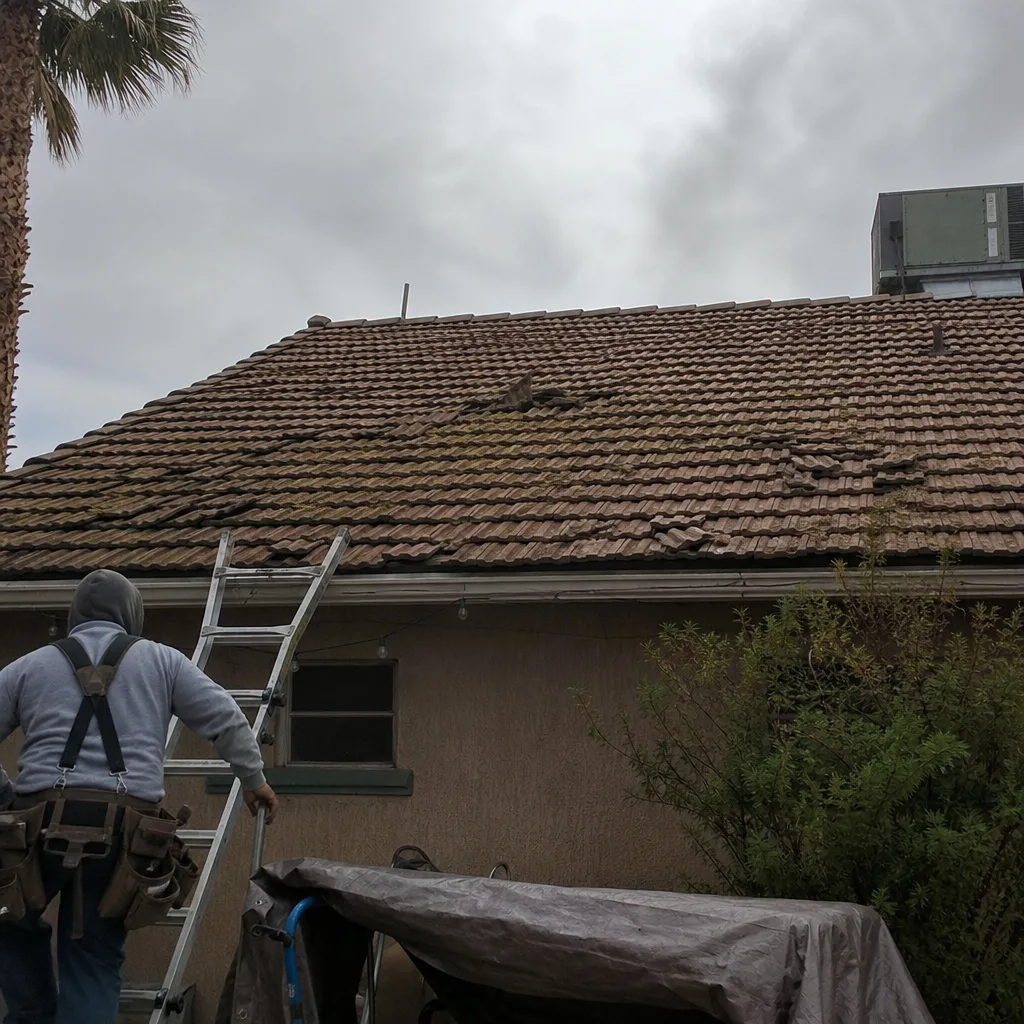 Before
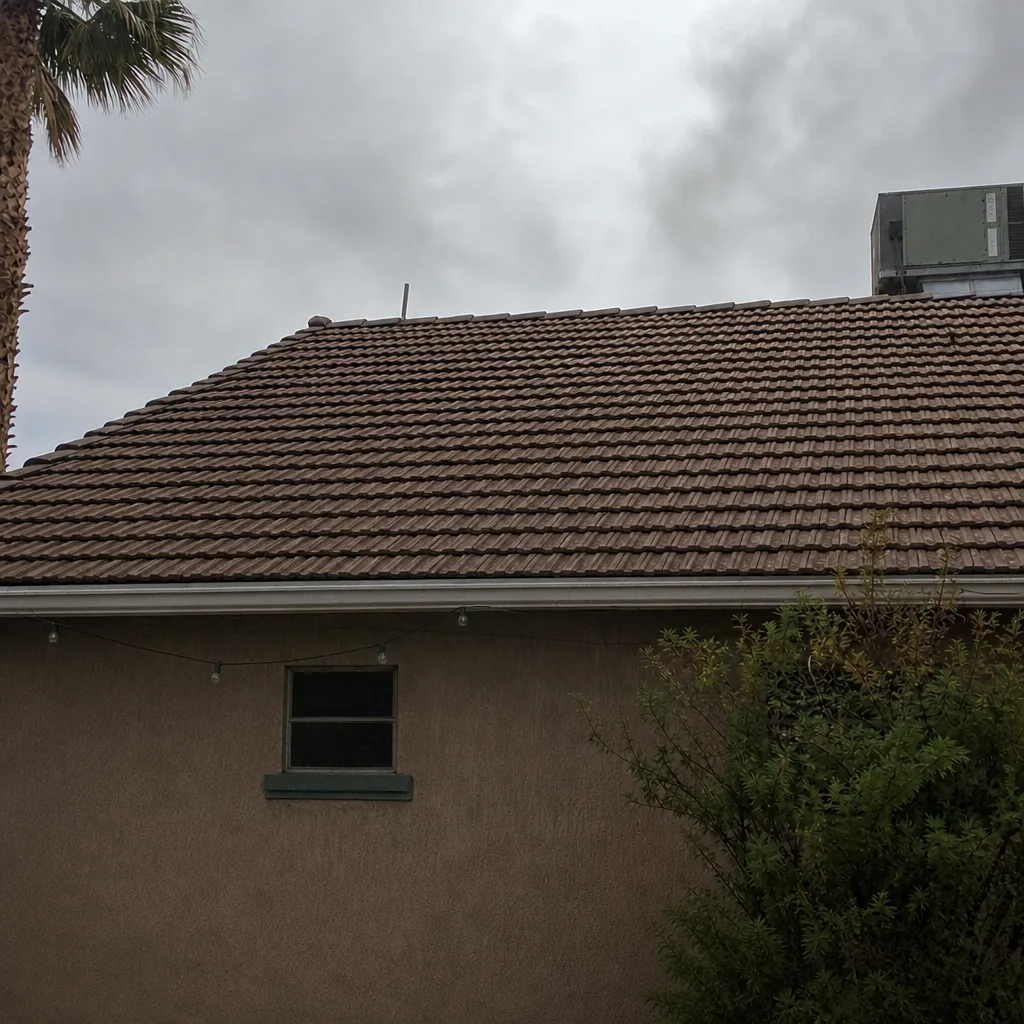 After
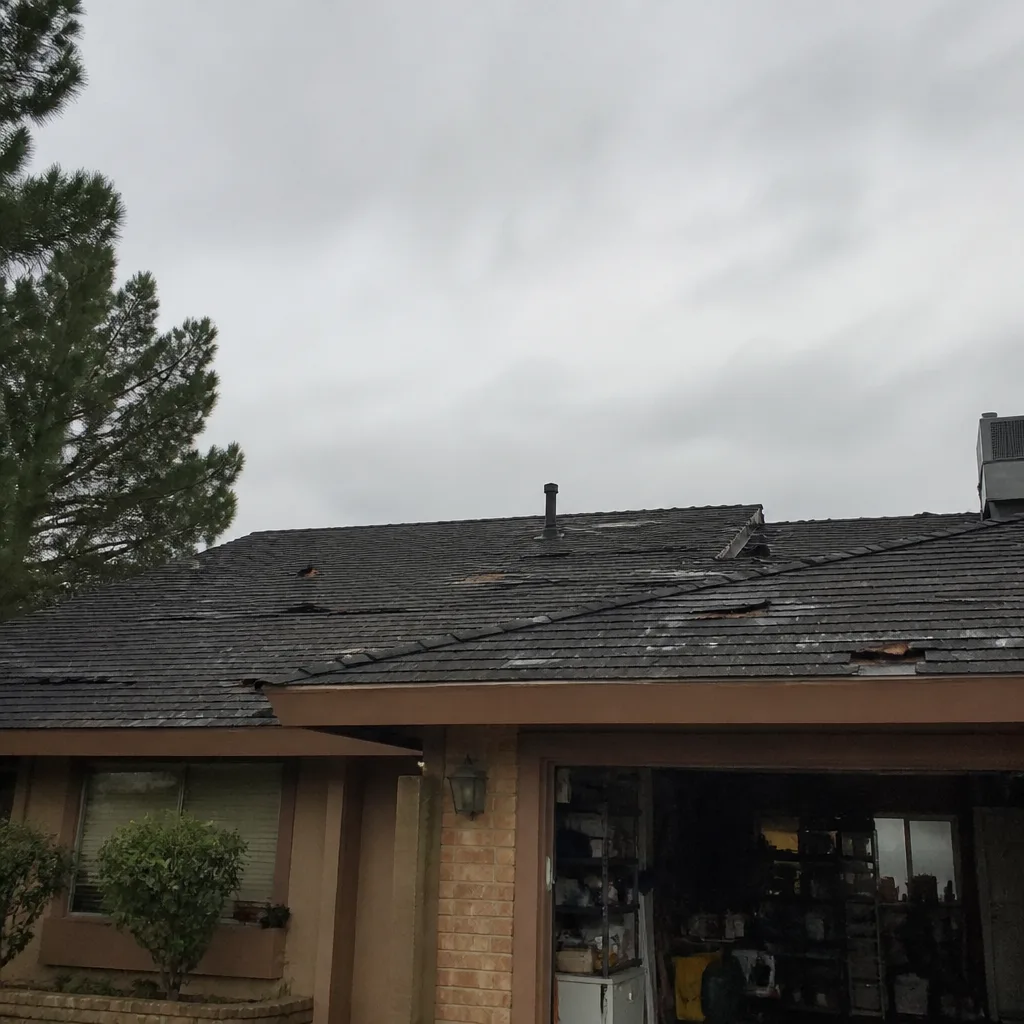 Before
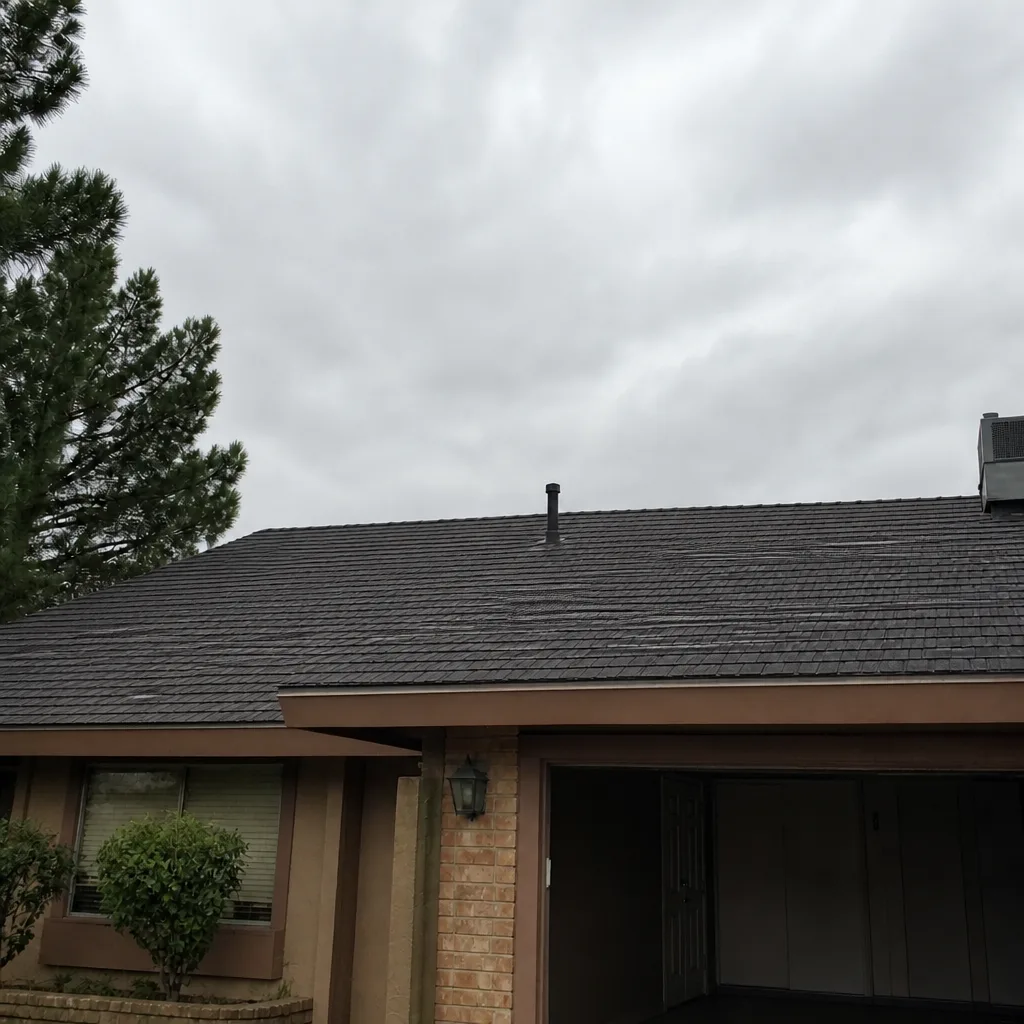 After