
Last updated November 18, 2026
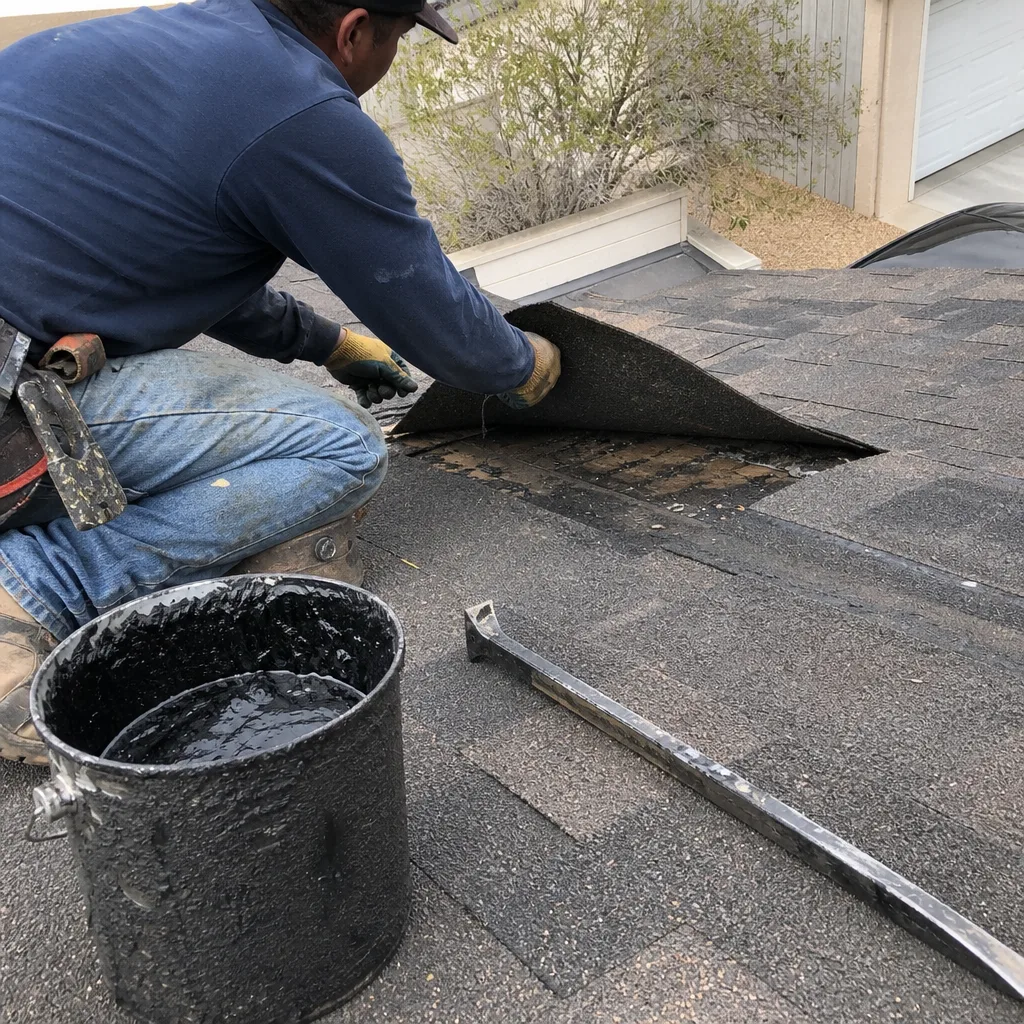
 Architectural shingles
 Metal roofing
 Tile roofing
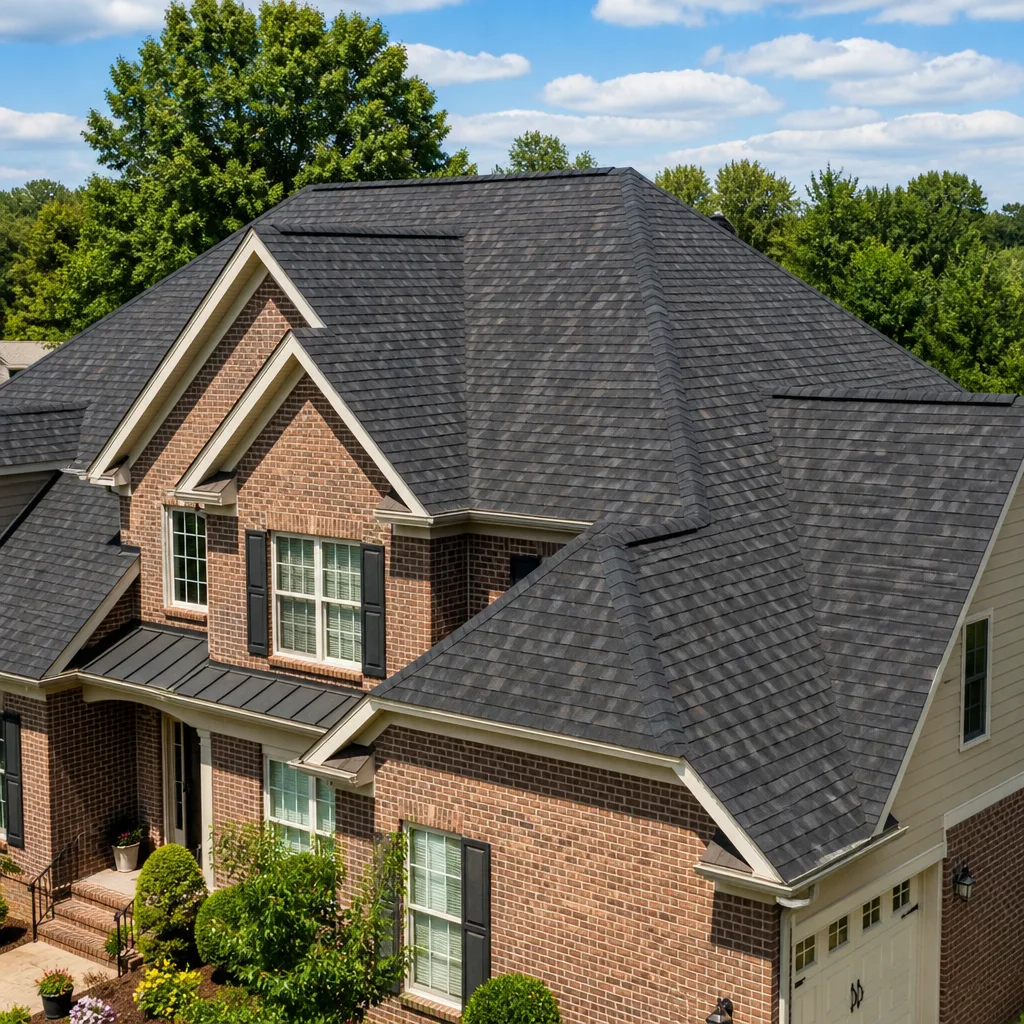 GAF
 Owens Corning
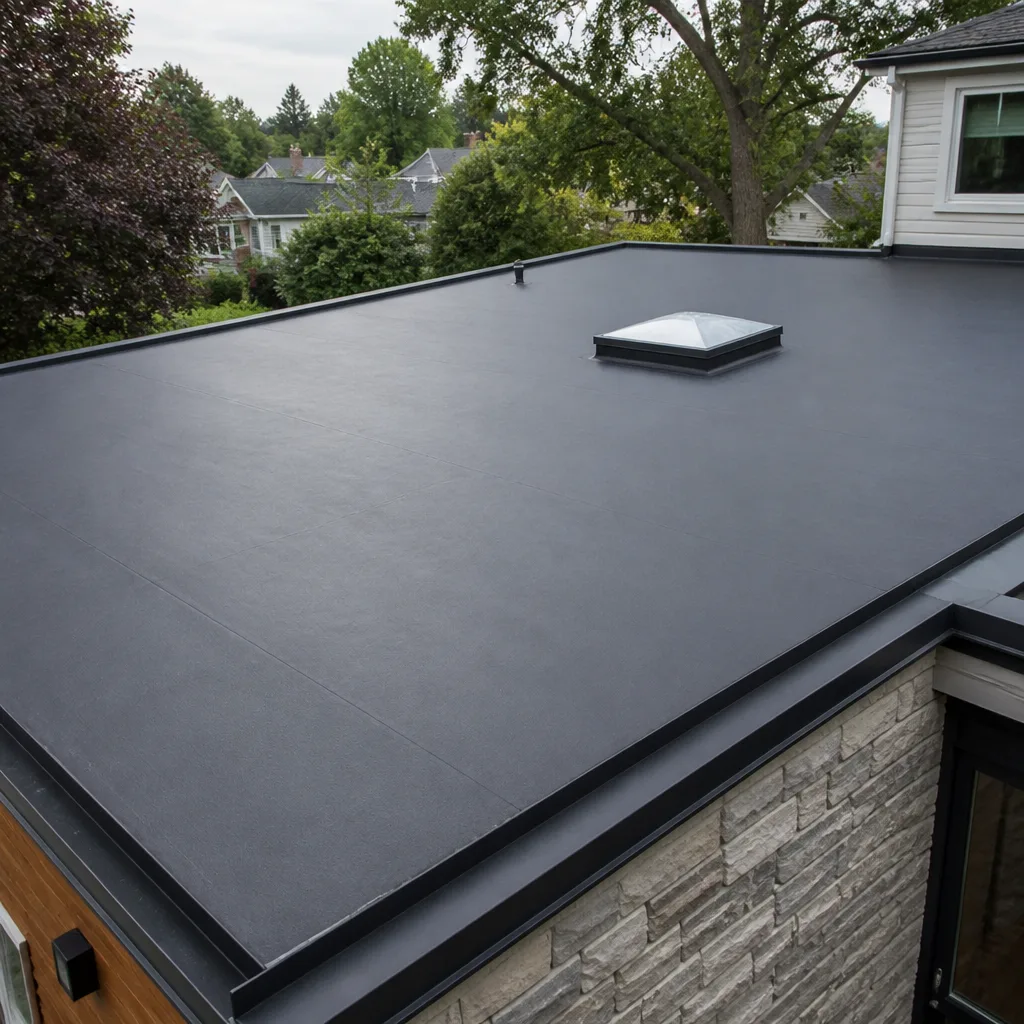 Flat & low-slope
Free roof inspection with deck photos before we talk money - GAF and Owens Corning certified installation
Emergency & Storm Damage Warning Signs Every Homeowner Should Know
A cracked pipe boot, a lifted flashing edge, or a blistered foam surface isn’t a problem until there’s water behind a 50 mph gust. Then it’s an emergency that was visible in April. That’s the hard truth about storm damage: the roof rarely fails without warning. It fails because the warning signs sat unread for months. This guide walks through what to look for from the ground before storm season, what to check after a blow, and how Sunrise Manor’s desert heat and monsoon winds turn small maintenance gaps into real failures. You’ll learn to tell cosmetic aftermath from structural warning signs, and when to stop looking and call.
Quick Answer
In Sunrise Manor, the warning signs of a roof that will fail in a storm are things you can see or feel weeks before the storm: granule loss streaks in the gutters, lifted flashing at parapet walls, stucco staining under roof edges, curling shingle corners, and attic humidity spikes after a dry week. A single wet spot in the attic after a week without rain almost always means active water tracking, not a one-time event. Catch these early and the repair is small; ignore them and the next monsoon does the diagnosing for you.
Styles & brands we work with
- Architectural shingles
- Metal roofing
- Tile roofing
- GAF
- Owens Corning
- Flat & low-slope
Table of Contents
- Pre-Storm Warning Signs You Can Read from the Ground
- Post-Storm Warning Signs Homeowners Minimize
- Warning Signs Unique to Sunrise Manor Roof Types
- Cosmetic Storm Aftermath vs. Structural Warning Signs
- The One Interior Sign That Means Active Water Tracking
- A Numbered Pre-Storm Checklist for Every Homeowner
- How We Tell the Difference in the Field
Pre-Storm Warning Signs You Can Read from the Ground
Most of what we need to know about a roof’s storm readiness is visible without climbing anything. Homeowners in Sunrise Manor walk past these signals all year because they look minor in fair weather. When wind, hail, or a fast monsoon cell rolls through, they stop being minor.
Start with the ground. Walk your perimeter after a windy day. Here’s what to watch for:
- Granule loss patterns. Dark streaks on shingles or piles of sandy grit at the bottom of downspouts mean the protective top layer is thinning. A roof past that point holds up poorly in wind-driven rain.
- Lifted flashing at parapet walls. In Sunrise Manor, stucco parapets are everywhere. Where the roof meets the parapet, the metal flashing should sit tight. If you can catch a fingernail under the edge, wind can too.
- Stucco staining below roof edges. Brown or chalky streaks on stucco directly under a roof line usually mean water is already escaping somewhere above and drying on the wall. This one earns a professional look.
- Cracked or missing pipe boots. The rubber collar around plumbing vents dries out fast in desert heat. A split boot is a direct path for water.
- Sagging gutter runs. Gutters that pull away or droop tell you the fascia behind them may be soft from old water exposure.
None of these require a ladder or a scary speech. They require a walk and a look up. If several turn up at once in a Sunrise Manor home, treat the roof as on a deadline before storm season, not a someday project. Our team at Ridgeline Roofing Co. Sunrise Manor home handles these checks regularly and can put the findings in writing, with photos taken from the actual roof.
Post-Storm Warning Signs Homeowners Minimize
After a storm, the subtlest signs matter most. The obvious ones get called in. The quiet ones get explained away, and those are usually the ones doing real damage behind the drywall.
Watch for these three in particular:
- Ceiling discoloration that isn’t wet. A faint tan ring on a ceiling usually means water came through once and stopped, leaving a stain behind. It doesn’t mean the entry point sealed itself. The next storm finds the same path.
- Attic humidity spikes. If the air in the attic feels heavy or you smell a musty note after a dry week, moisture is coming from somewhere. In Sunrise Manor, humidity in the attic after clear weather is a strong signal of active intrusion.
- Interior wall cracks near the roofline. Hairline cracks just below where the ceiling meets the wall can mean the roof structure has shifted or settled unevenly after wind loading. These deserve assessment, not paint.
Any single one of these earns a look. Two or more together earn a call. Roof storm damage rarely announces itself with water pouring into a bucket. It shows up as a quiet stain and a wall crack and then, three months later, a ceiling that has to be replaced. Our Roof Repair in Sunrise Manor team sees this pattern constantly and can stop the water before it reaches interior finishes.
Warning Signs Unique to Sunrise Manor Roof Types
Sunrise Manor’s roofs aren’t the same as a coastal shingle roof or a mountain cabin. The climate and common roof types here create their own warning signs, and recognizing them early saves serious money.
Foam roofing. Many Sunrise Manor homes have foam roofs. Foam is a great fit for desert heat, but it blisters and cracks as it ages. A blister that looks like a raised bubble on the surface is a weak point. When monsoon wind-driven rain hits, that blister becomes an inlet. Watch for foam that’s gone chalky or shows pinholes. A fresh topcoat is a minor cost; a foam failure is not.
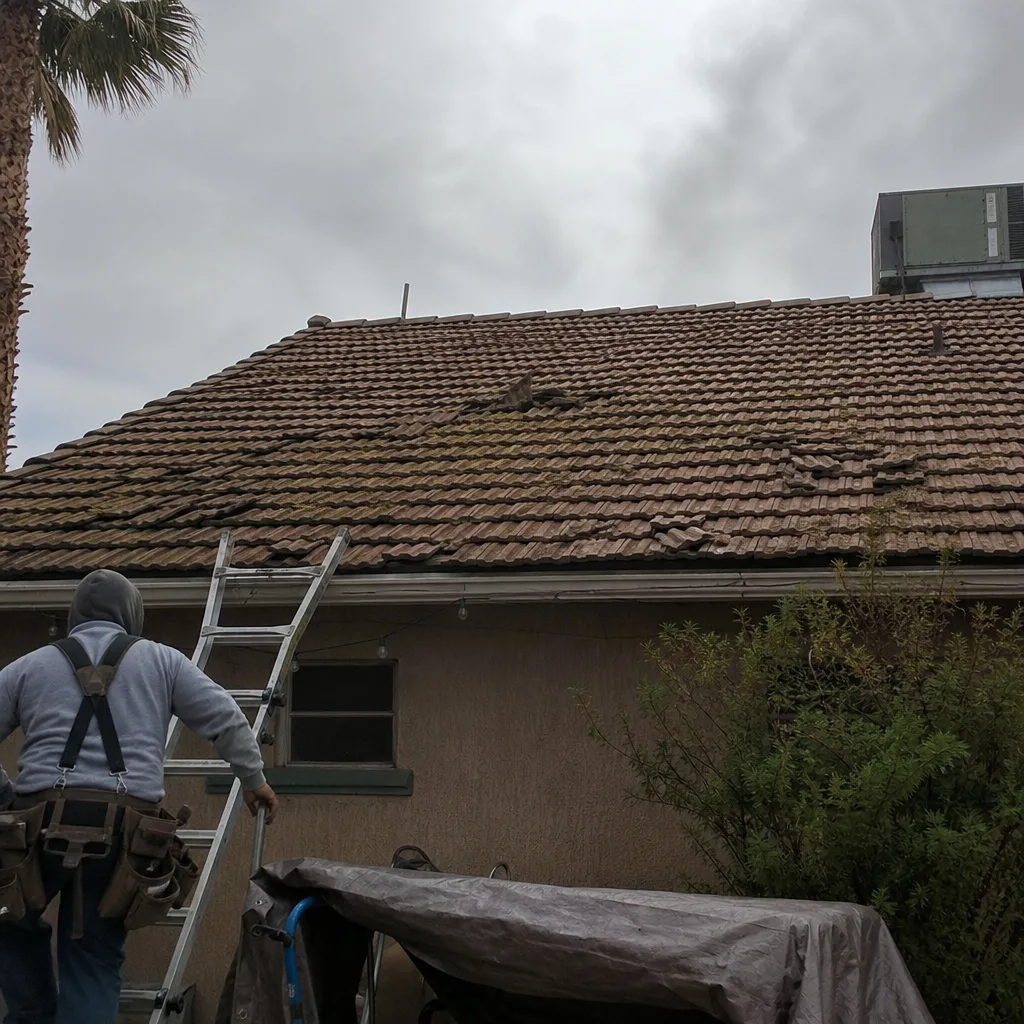
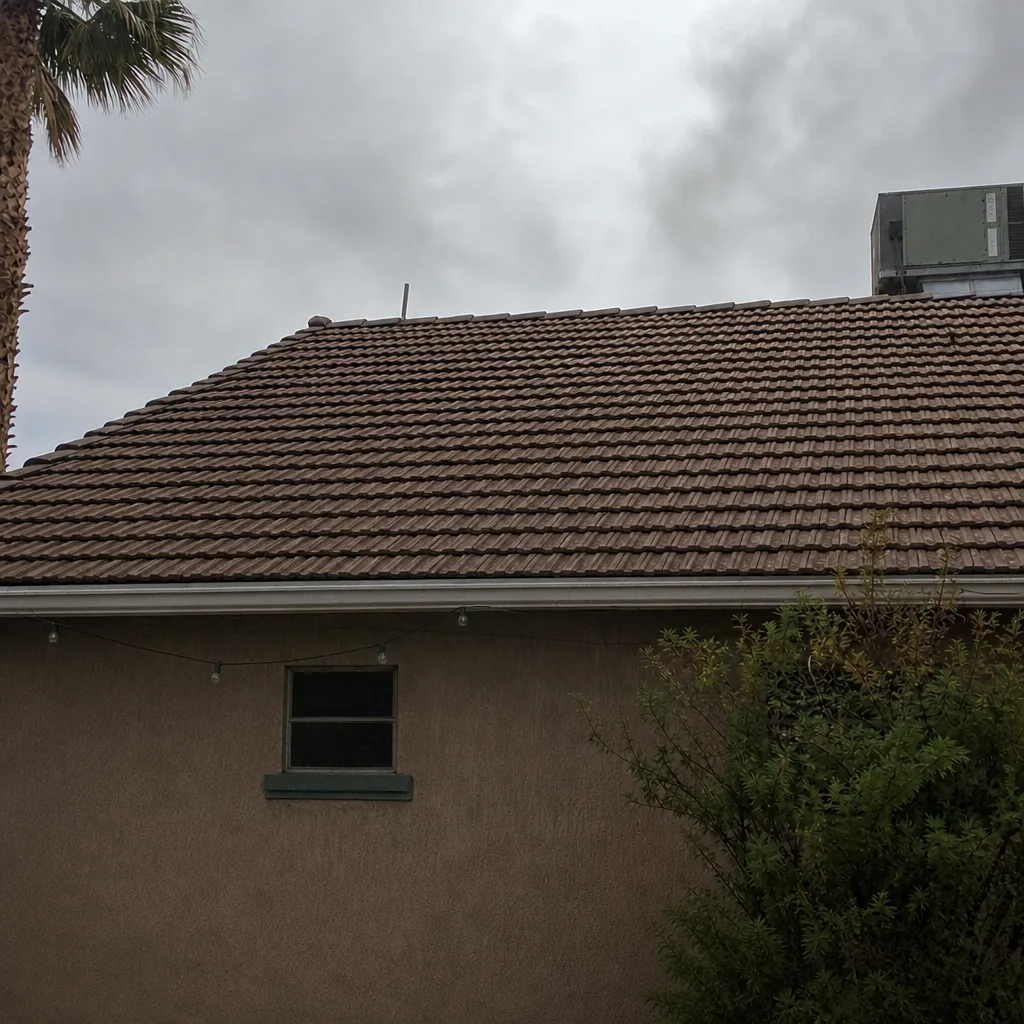
Tile roofs. Tile is durable, but tile slippage is real here. A tile that’s slid out of alignment or cracked along a valley edge lets water behind the field. From the ground, look for wavy or uneven tile lines. One slipped tile starts as a leak, not a collapse, but it gets worse every storm.
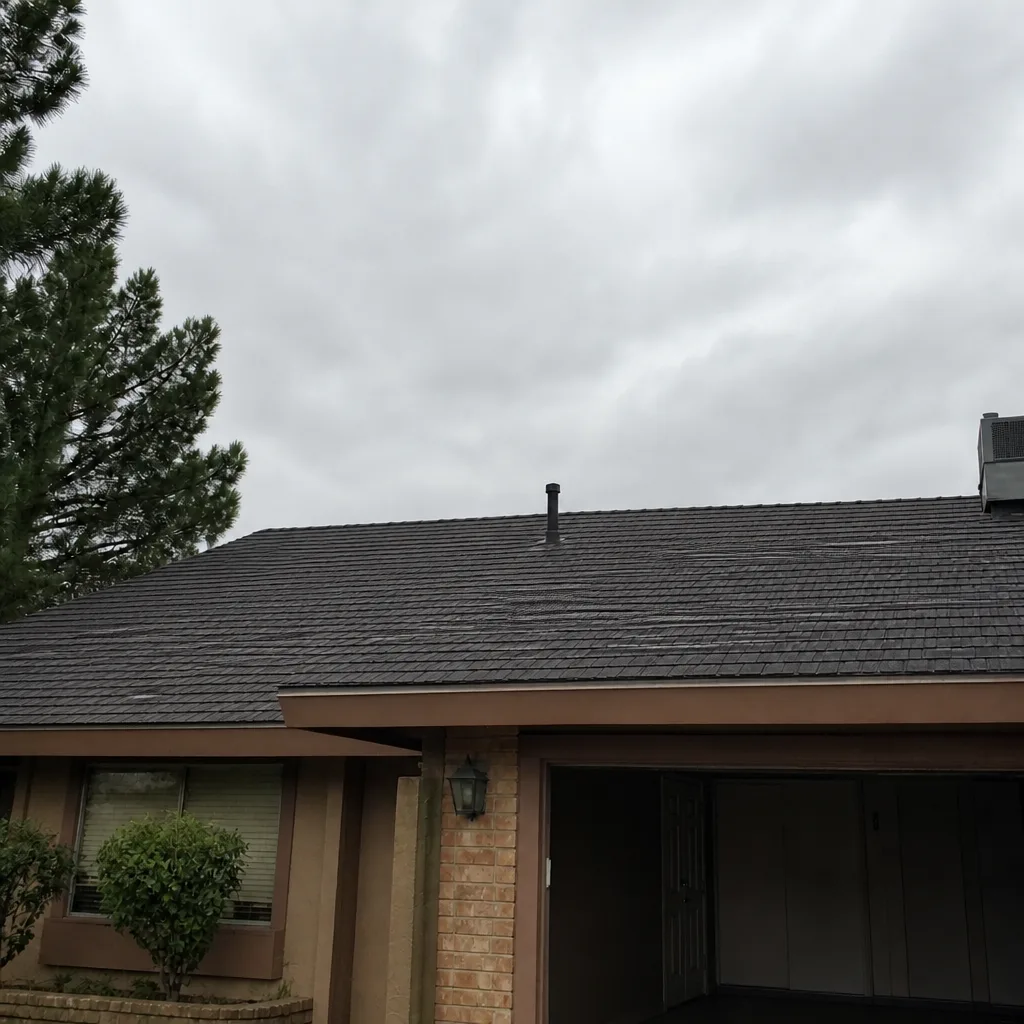
Asphalt shingles. Desert heat does a specific thing to shingles: the corners curl up before the middle shows any wear. Curled corners catch wind, and once a corner lifts, water gets under and the seal is gone. Granule loss follows. In shingles, corner curl is the earliest warning sign you’ll get, and we recommend a Roof Replacement & Installation in Sunrise Manor conversation once enough corners are curling to make repair a losing bet.
Age matters here too. A roof that’s been baking on a Sunrise Manor home for twenty years or more has been through a lot of heat cycles. Our technicians have up to 10 years of experience reading exactly these signs, and we’re authorized installers of GAF, CertainTeed, Owens Corning, IKO, Atlas, Tamko, and Boral – so when a roof is at the end of its life, the replacement materials are the right ones for this climate.
Cosmetic Storm Aftermath vs. Structural Warning Signs
Not everything after a storm is a problem. Wind moves things around. Recognizing the difference between a mess and a failure saves you a call or earns you one at the right moment.
What’s usually cosmetic:
- Loose leaves, twigs, or dust on the roof surface
- A patch of light granule loss where wind scour hit an exposed slope
- A single broken branch resting on the roof with no dent or puncture beneath it
- Minor paint flaking on a decorative trim piece
What’s structural and worth immediate professional assessment:
- Any dent, puncture, or crack in the roof surface itself, even a small one
- Flashing that’s visibly lifted, bent, or separated from the wall
- Visible water inside the attic or a fresh interior stain after a storm
- Tile or shingle displacement that exposes the underlayment
- Gutters that have pulled loose from the fascia or are hanging
The line between them is simple: if the roof’s ability to shed water has changed, it’s structural. If only the surface has changed, it’s cosmetic. When you’re not sure which one you’re looking at, a photo-documented Roof Repair inspection is cheaper than guessing. Our Specialty Roofing in Sunrise Manor work is built for the kinds of roofs that need specific products and specific methods, and we’d rather look once and tell you the truth than guess.
The One Interior Sign That Means Active Water Tracking
Of all the interior signs, one is the most misread: a single wet spot in the attic after a dry week.
Homeowners often write this off as condensation, or a one-time event from a storm that’s already passed. That’s almost always the wrong read. A wet spot in the attic after a dry week means water is actively tracking from an entry point somewhere above. Water doesn’t appear out of nowhere; it follows a path from a breach to a low point where it pools. Once you see the wet spot, the entry point has been active long enough to show up.
What to check, without climbing:
- Feel the spot. If it’s damp, an entry point is live.
- Note the size and location. A spot spreading toward a valley or vent usually points to flashing or a pipe boot above.
- Look for a matching stain on the ceiling below. Two spots that line up is a path.
- Check the attic humidity. Heavy, musty air in Sunrise Manor after clear weather confirms moisture is present.
Don’t crawl into the attic yourself if it’s tricky to get to or the roof structure looks compromised. This is exactly the kind of sign to call about. Our repair page for Sunrise Manor roofs is where we walk through what a live intrusion looks like once we’re on the roof, and it’s worth reading before you call.
A Numbered Pre-Storm Checklist for Every Homeowner
Here’s the sequence we recommend for a Sunrise Manor home before monsoon season (roughly May through September, though storms can move earlier or later). It’s a two-hour walk, not a roof climb.
- Walk the perimeter and look up. Note any tilting, sagging, or displaced material. A roof line should be straight and even.
- Check the gutters and downspouts. Look for granule grit at the bottom of downspouts, which signals top-layer wear.
- Look at the stucco below every roof edge. Chalky or brown streaks here are the earliest sign water is escaping somewhere above.
- Check the flashing at parapets and side walls. It should sit snug against the wall. If it lifts, get it sealed before the season.
- Check every pipe boot from a safe vantage. Cracked collars are a common failure point in desert heat.
- Look in the attic after a dry, warm week. Any dampness, freshwater stain, or musty smell deserves a professional look.
- Check interior walls and ceilings for fresh hairline cracks or faint stains, especially below the roofline.
- Note the age of the roof. Every roof type has a realistic lifespan; a roof past its expected life is on a clock.
If you find more than a couple of these, the right move is a written, photo-documented inspection. Our team provides free second opinions on any written estimate, and the walkthrough shows you exactly what we’re seeing rather than telling you about it in a driveway.
How We Tell the Difference in the Field
The signs that matter most rarely require a ladder. They require knowing what you’re looking at and calibrating for the climate. In Sunrise Manor, the sun does most of the early damage: foam blisters, pipe-boot cracks, shingle corner curl, all driven by heat cycles long before a storm ever arrives. The storm is just the test that reveals the deferred maintenance.
Our approach is to look at the roof the way we’d look at our own: from the ground, then from the roof itself, and in writing with photos. We’re named for the ridge – the line where a roof proves itself. And we’re not a storm-chasing outfit that disappears when the season ends. We’re authorized installers of GAF, CertainTeed, Owens Corning, IKO, Atlas, Tamko, and Boral, so the materials that go back on your roof are the right ones for this climate. Every job carries our 90-Day Done Right Promise: a written workmanship guarantee, no arguing, no paperwork. If it’s not right, we come back and make it right. Phones are staffed by a live person 24/7, and our technicians are background-checked and arrive in uniform.
Common Mistakes to Avoid
- Waiting for the leak to show inside before calling. In Sunrise Manor, the interior sign usually arrives after the water has already been tracking for weeks. The pre-storm signs are the early warning system.
- Painting over an interior stain. Paint doesn’t fix a roof; it hides a live intrusion path. Any fresh interior stain should be assessed before it’s covered.
- Climbing on the roof yourself after a storm. Wind damage loosens fasteners and material you can’t see. Storm damage is when a professional with the right equipment needs to do the look.
- Assuming monsoon damage is cosmetic. A lifted flashing edge is not cosmetic. It’s the exact spot water enters at the next big gust.
- Hiring the lowest bid from a truck that just rolled into town after the storm. A storm-chasing outfit doesn’t know Sunrise Manor’s climate, doesn’t have relationships with the local supply houses, and doesn’t plan to be here in thirty years. Our 90-Day Done Right Promise is in writing; ask any contractor to put theirs in writing too.
- Skipping the attic because it’s hot up there. The attic is where the real story lives. An inspector who doesn’t look inside misses the most honest evidence.
- Treating a single tile slip as nothing. One tile is a small repair now and a bigger one after the next storm. Our specialty roofing work in Sunrise Manor exists for roofs that need specific products and specific methods.
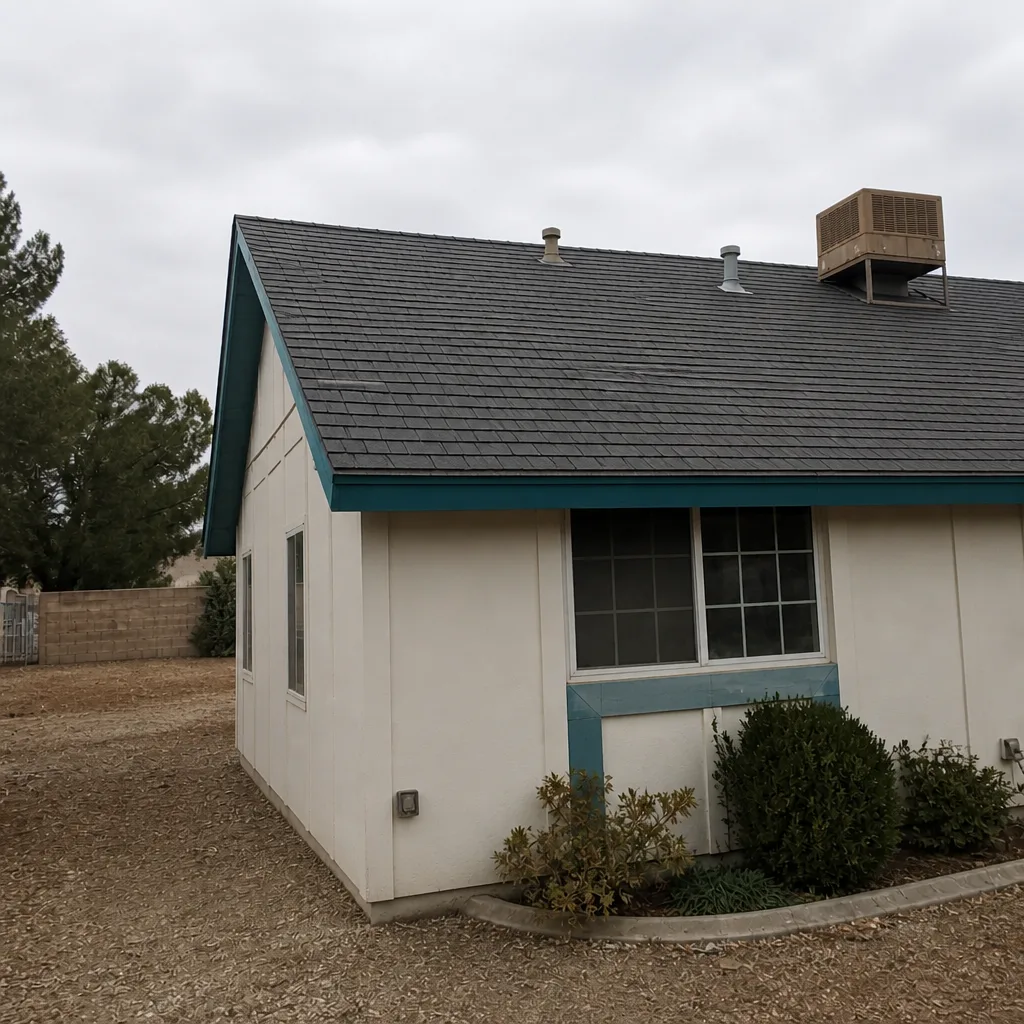
See the difference
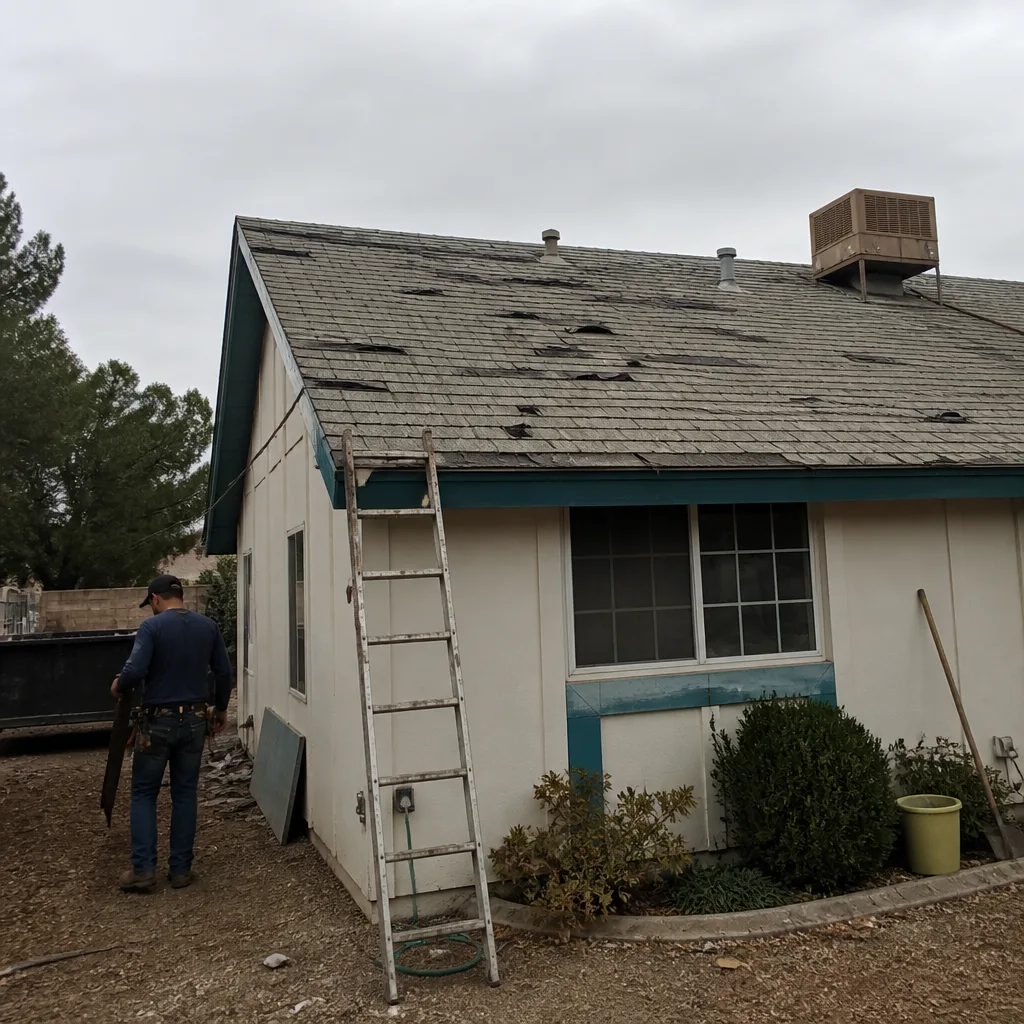 Before
 After
 Before
 After
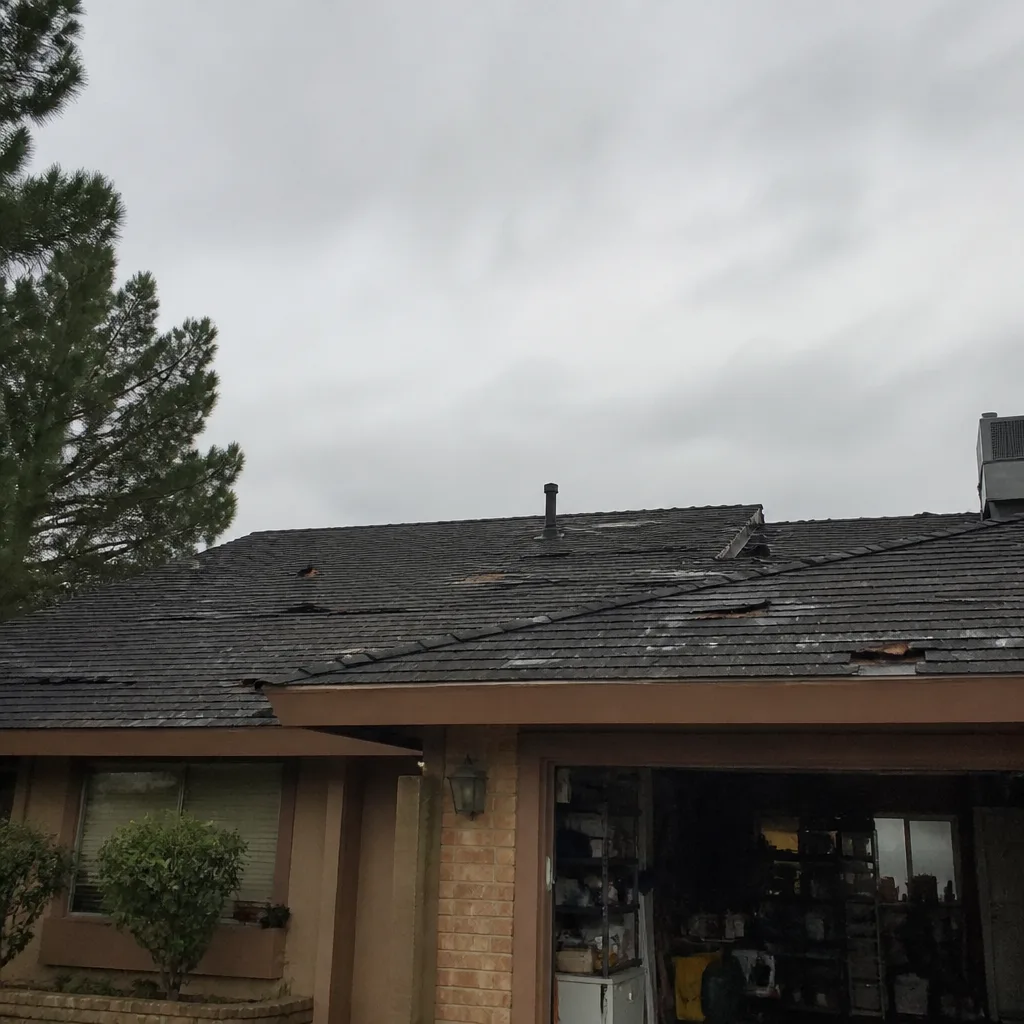 Before
 After
When to Call a Professional
Call when you find any of the following: a lifted flashing edge, a cracked pipe boot, visible water in the attic, an interior stain you can’t explain, several curling shingle corners, a slipped tile, or any stucco staining below a roofline. Also call if your roof is past its expected lifespan or has been through a major storm with visible damage. You don’t need to diagnose it to call. A written, photo-documented inspection answers questions that guessing can’t. Ridgeline Roofing Co. Sunrise Manor offers free estimates in Sunrise Manor – call (844) 941-3509. Our phones are answered by a live person, day or night. If what you need is roof replacement or installation in Sunrise Manor, we walk through options and pricing upfront, no surprises.
Frequently Asked Questions
You can’t know for certain, but the warning signs are readable from the ground: granule loss streaks at downspouts, lifted flashing at parapet walls, stucco staining below roof edges, and curling shingle corners or slipped tiles. A wet spot in the attic after a dry week confirms active intrusion. If you see two or more of these, call (844) 941-3509 for a free inspection before the next storm.
Yes, and it’s the most commonly misread sign. A wet spot in the attic after a dry week almost always means active water tracking from an entry point above, not a one-time event. Freshwater in the attic deserves a professional look. Call (844) 941-3509 for a free estimate and a written inspection.
Cosmetic damage is surface-level: leaves, dust, minor granule scour, a fallen branch without a dent beneath it. Structural damage changes how the roof sheds water: lifted flashing, dented or punctured surface, slipped tile or shingle exposing underlayment, and visible water inside. When in doubt, a free second opinion on any written estimate is a cheap way to be sure.
Roof storm repair in Sunrise Manor typically runs from $300 to $1,800 depending on the entry point and the number of areas affected. A cracked pipe boot or single flashing repair is often under $500, while multiple flashing leaks or tile work push higher. Call (844) 941-3509 for an exact quote – estimates are free and written upfront.
Both. A proper inspection includes the attic, because that’s where water tracking shows up first. Our technicians take photos from the actual roof and from the interior so you can see what we see. The price on the estimate is the price on the invoice, no surprises.
It means we stand behind the work with a written workmanship guarantee. If the repair isn’t right within 90 days, we come back and make it right – no arguing, no paperwork runaround. Call (844) 941-3509 to schedule your free estimate and we’ll put it in writing.
The Bottom Line
The warning signs that a roof is going to fail in a Sunrise Manor storm are visible in April, not in September. Granule loss, lifted flashing, stucco staining, curling corners, and one quiet wet spot in the attic are the early reads. The owner who walks the perimeter before storm season and calls about two or three signs saves a whole lot compared to the one who waits for the ceiling to turn. We’ve been standing behind local roofs since 1984, and we’re still here in the same town where we started. The roof will tell you what it needs. The only question is whether you’ll listen before the storm or after.
Call (844) 941-3509 to schedule your free estimate with Ridgeline Roofing Co. Sunrise Manor. Live person answers every call, 24/7. Ask about our standing offers: $50 off any repair over $250, a free second opinion on any written estimate, the $89 seasonal tune-up, and a permanent 5% senior and veteran discount.
Written by the team at Ridgeline Roofing Co. Sunrise Manor.