
Last updated November 18, 2026
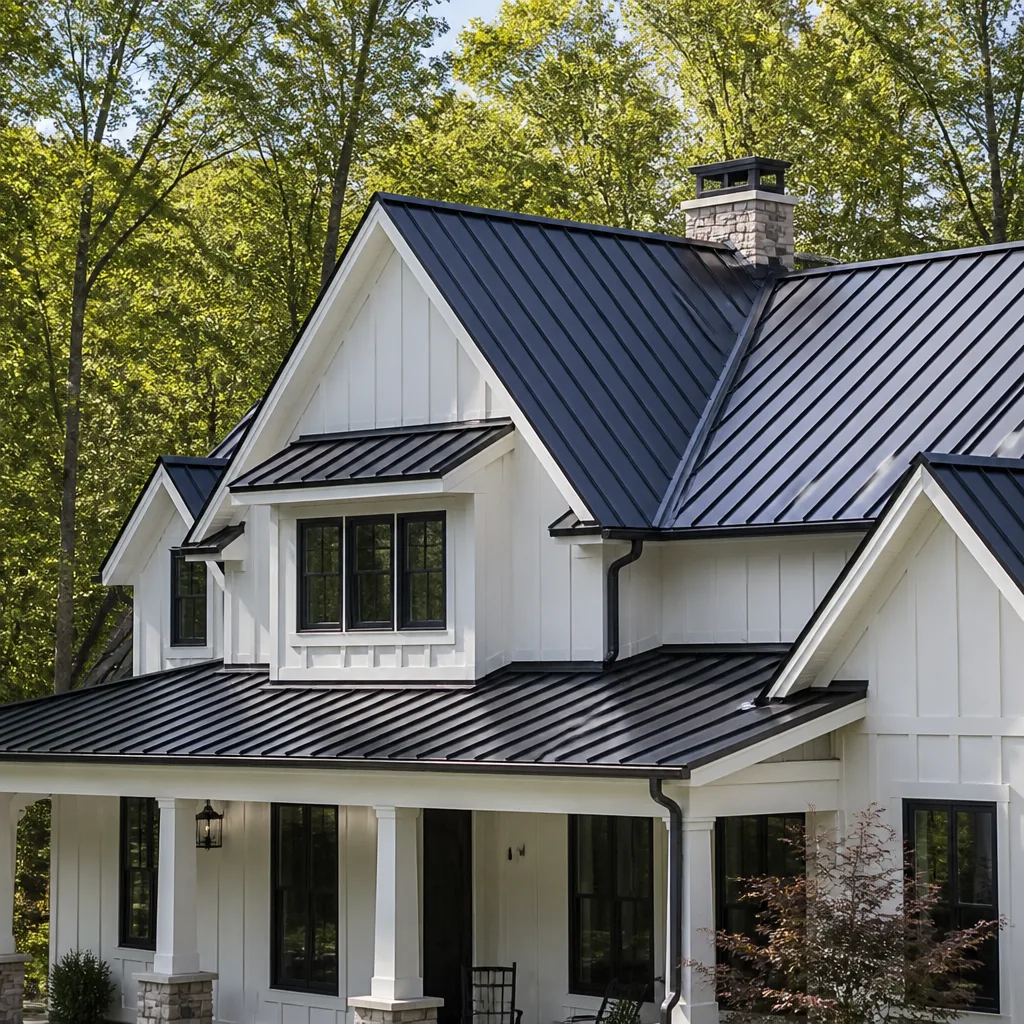 Metal roofing
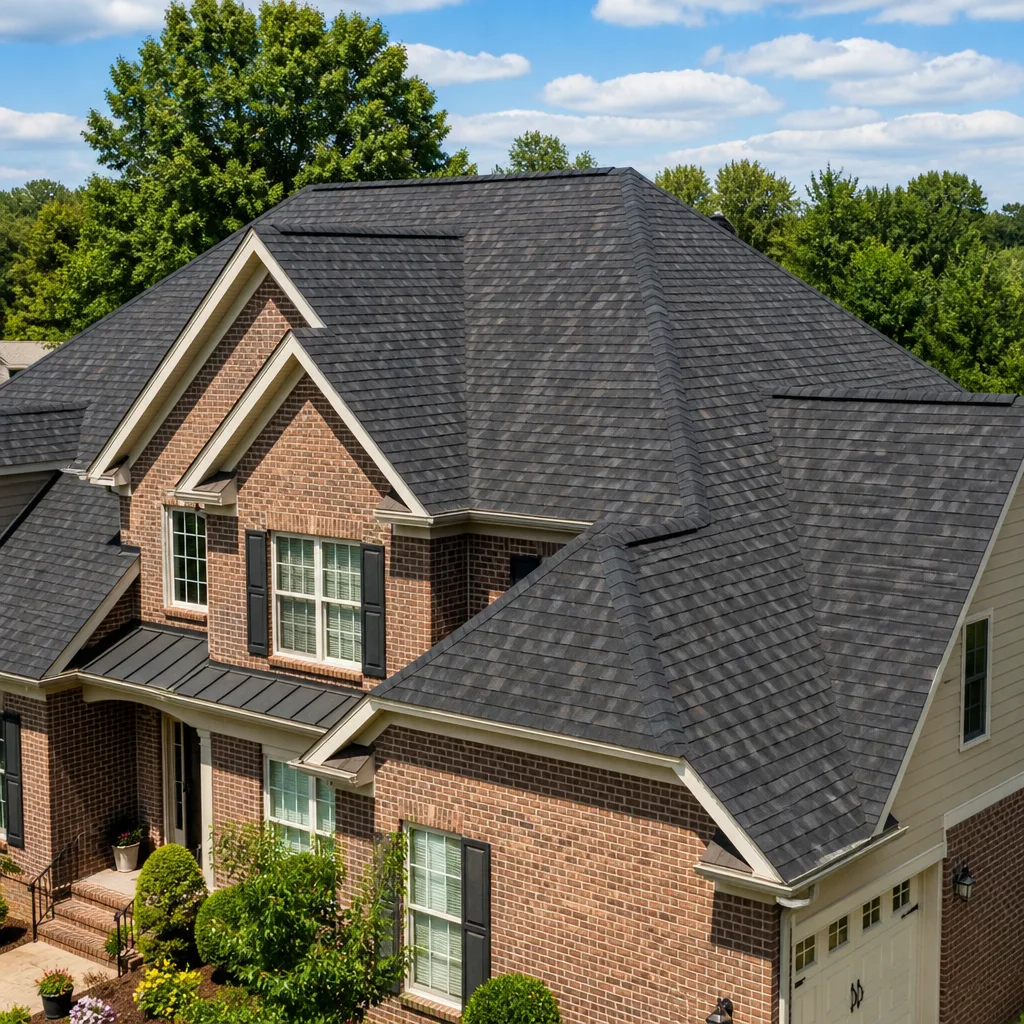
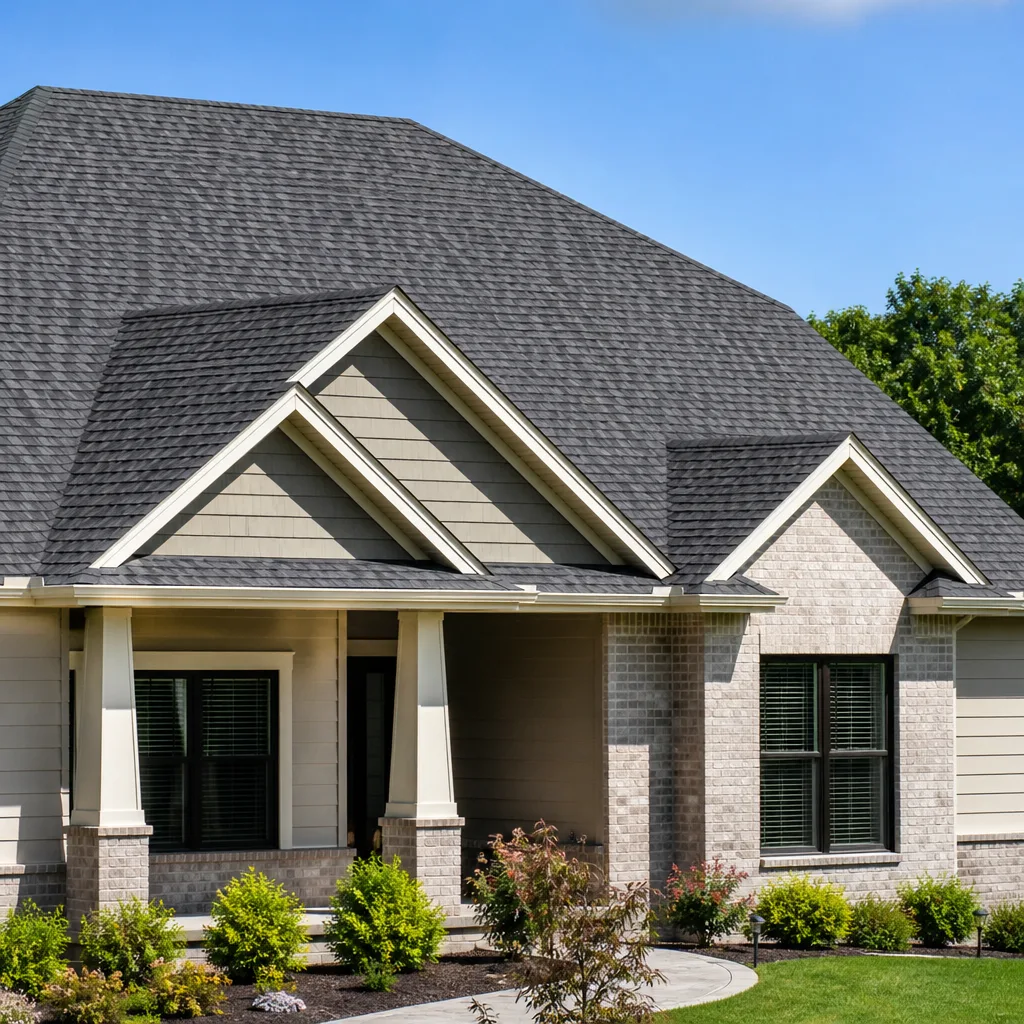
 Architectural shingles
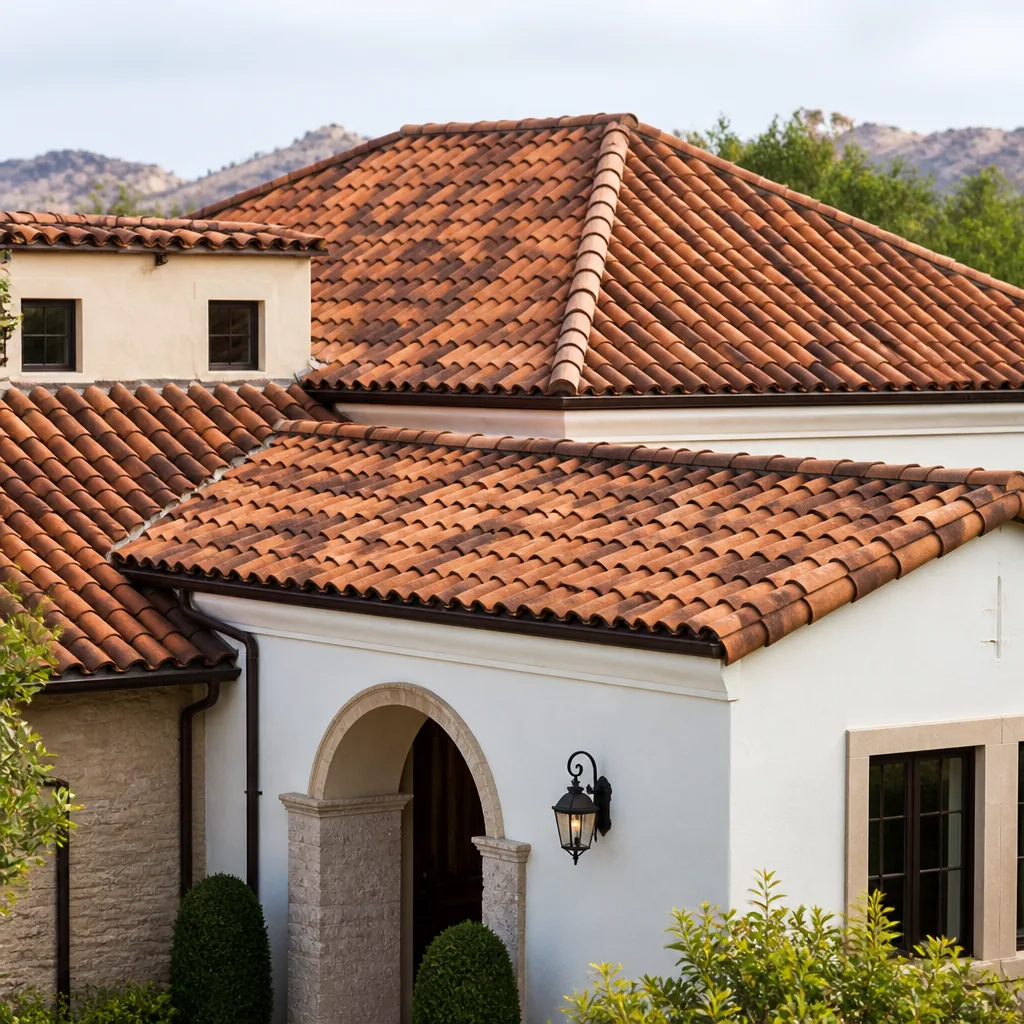 Tile roofing
 GAF
 Owens Corning
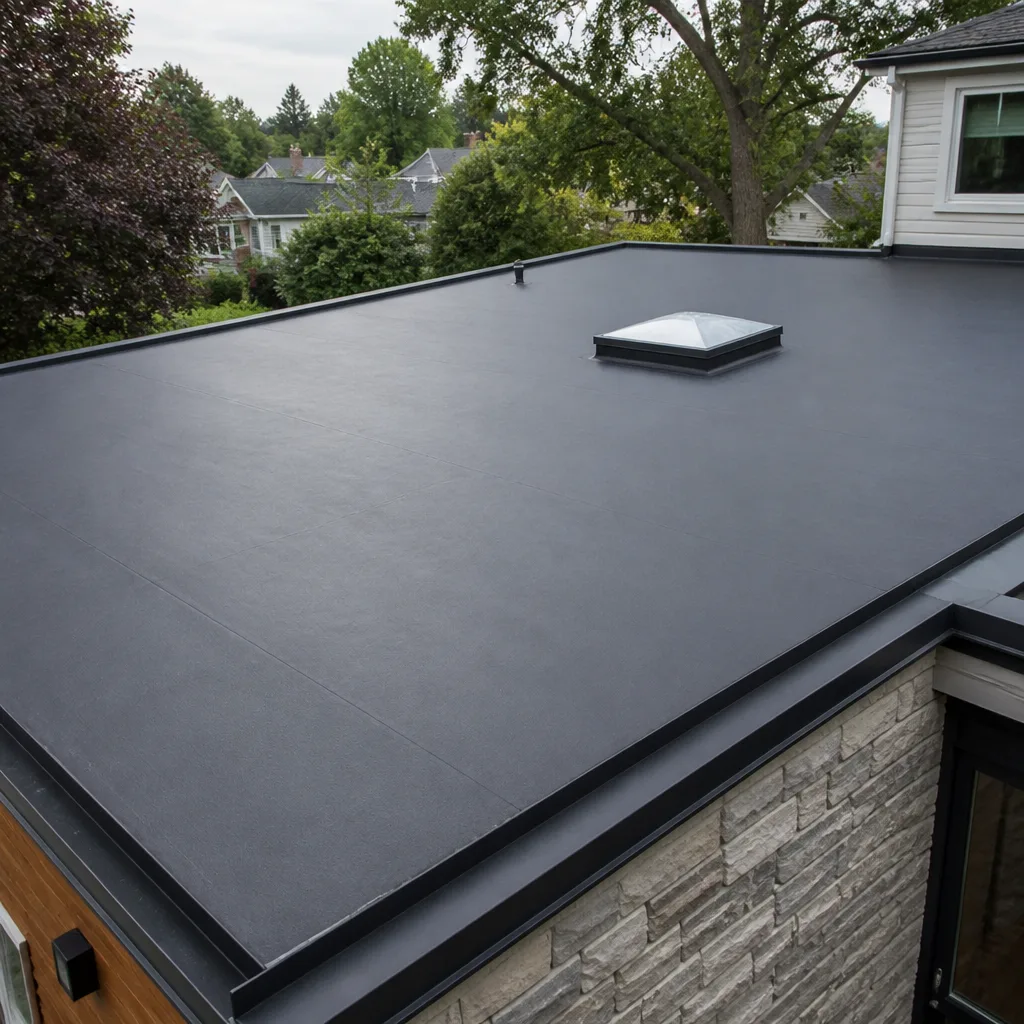 Flat & low-slope
Free roof inspection with deck photos before we talk money - GAF and Owens Corning certified installation
How Long Does Specialty Roofing Take? Timelines and What to Expect
A TPO re-roof on a 1,500 square foot flat roof can be finished in a single day. It can also stretch to four. The difference usually isn’t weather, and it isn’t crew size. It’s what a contractor finds under the old membrane on day one. That single variable explains most of the timeline surprises homeowners in Sunrise Manor run into, whether the job is flat TPO, foam coating, concrete tile, or standing seam metal. In this guide, we’ll walk through realistic system-specific timelines, the substrate problems that add days and cost, the cure and inspection holds that push “done” past the last day of labor, and how monsoon season on the east side of the valley shapes a sensible schedule.
Quick Answer
Specialty roofing takes anywhere from one to seven days of physical labor, depending on the system: TPO flat roofs typically run 1 – 3 days, foam coatings 1 – 2 days plus a cure window, concrete tile on a full re-roof 3 – 7 days, and standing seam metal 2 – 5 days. The real calendar time is usually longer, because substrate repairs, cure periods, and municipal final inspections all add days after the crew is off the roof. Plan for a two-week window on most specialty projects in Sunrise Manor and you’ll rarely be caught off guard.
Styles & brands we work with
- Architectural shingles
- Metal roofing
- Tile roofing
- GAF
- Owens Corning
- Flat & low-slope
Table of Contents
- Why Substrate Condition Sets the Timeline
- TPO Flat Roof Timelines
- Foam Coating Timelines and Cure Windows
- Concrete Tile Installation Timelines
- Standing Seam Metal Timelines
- Cure Periods, Inspections, and the Real “Done” Date
- Sunrise Manor Scheduling and Monsoon Season
- What a Realistic Timeline Document Looks Like
Why Substrate Condition Sets the Timeline
Every specialty roof is a stack of layers, and the layers you can’t see drive the schedule. On a flat roof, the old membrane comes up first. Under it you find one of three things: sound decking, decking with soft spots, or insulation board that’s been holding water for years. Sound decking means the job moves at the pace the crew can lay material. Soft spots mean cutting out and replacing plywood or oriented strand board. Saturated insulation means pulling and replacing board before a single square of new membrane goes down.
We’ve seen these problems add one to three days on jobs that were originally quoted as single-day work. Rot near scuppers and drains is common because water pools there during monsoon storms. Failed insulation board is common on flat roofs past 15 years old. And improper slope is the quiet one: a flat roof that drains toward a wall instead of a drain needs tapered insulation to correct the pitch, and that’s a design change, not a patch.
- Rotted decking: adds a half-day to a full day depending on square footage affected
- Failed insulation board: adds one to two days on larger flat roofs
- Improper slope correction: adds one day plus material cost for tapered insulation
- Hidden fasteners or prior repairs: adds hours and occasionally forces a partial tear-off instead of a layover
This is exactly why a photo-documented inspection before you sign anything protects both sides. You get a real scope in writing, and the contractor gets to price the job on what’s actually there instead of guessing. A contractor who quotes a specialty job from the driveway without lifting a corner of the old surface is pricing a coin flip. Our team documents inspections with photos taken from the actual roof, which is part of how a proper Specialty Roofing in Sunrise Manor estimate gets built.
TPO Flat Roof Timelines
TPO, or thermoplastic polyolefin, is a single-ply membrane that’s mechanically attached or fully adhered over a flat deck. On a 1,500 square foot residential flat roof in reasonable condition, a full re-roof usually takes one to three days of crew time. Here’s how that breaks down:
- Day 0 (inspection): deck inspection, moisture readings, and a written scope with photos. No materials ordered until this is done.
- Day 1: tear-off of the old membrane and flashing, decking inspection, and replacement of any rot found.
- Day 2: insulation board installation, TPO membrane lay and attachment, edge metal, and drain collars.
- Day 3 (if needed): seam welding, flashing details around penetrations and walls, and cleanup.
Smaller roofs, layovers approved by local code, and simple rectangular layouts finish at the low end. Complex shapes with multiple drains, parapet walls, skylights, and HVAC curbs push to three days or beyond because every penetration is a detail that has to be welded and inspected. In Sunrise Manor, flat roofs are common on additions, garages, and low-slope sections of older ranch homes, and many of those roofs have been patched several times over the decades. Patch history is the most reliable predictor of how long a TPO job will really run.
We install TPO and other systems from manufacturers we’re authorized to work with, including IKO and Atlas. Proper materials matter here, because a cheap membrane that fails its seams in year eight costs more than the two-year version at the same price point.
Foam Coating Timelines and Cure Windows
Foam coating, sometimes called a SPF (spray polyurethane foam) roof coating, is applied over an existing sound roof surface to renew the waterproofing layer. The labor is fast: one to two days for a typical residential flat roof. The catch is the cure window. Freshly sprayed foam needs time before anything walks on it, and the coating layers need to set between applications.
- Day 1: surface prep, cleaning, and priming. Spray foam application on the main field.
- Day 2: coating application over the foam. Coverage depends on warranty tier (two or three coats is typical).
- 24 – 48 hours after: cure period before foot traffic. Keep pets, kids, and ladders off the surface.
Homeowners often ask whether the roof is usable the same evening. It isn’t. Foam roofs need their cure window respected, and stepping on a freshly coated surface can leave permanent footprints that compromise the coating’s warranty. This is also why a foam job scheduled on a Thursday isn’t truly complete until the following Monday or Tuesday. If a storm rolls through during the cure window, the surface can pucker or fail to adhere correctly, and in a monsoon-prone climate that risk is real. Plan foam coatings for the dry months whenever the schedule allows.
Concrete Tile Installation Timelines
Concrete tile is the most schedule-sensitive specialty system on a pitched roof. A full re-roof with tile replacement typically takes three to seven days depending on pitch and hip complexity. The labor steps:
- Day 1 – 2: tear-off of existing tile and underlayment, inspection of sheathing, replacement of any damaged deck.
- Day 2 – 3: new underlayment installation, which is the actual waterproofing layer on a tile roof.
- Day 3 – 4: tile installation, starting at the eave and working up.
- Day 4 – 5: hips, ridges, valleys, and flashings, which are the slowest and most skill-dependent details.
- Days 5 – 7: final walkthrough, cleanup, and any punch-list items.
Steep pitches slow tile installation noticeably because every course is more delicate to set and the crew works more cautiously. Hip and valley complexity is the other big driver: a simple gable roof might finish tile in four days while a roof with multiple valleys and hip lines is legitimately a seven-day job. Underlayment matters as much as tile here. In Sunrise Manor’s summer heat, underlayment that’s been sitting in the sun waiting for tile can lose integrity, so crews try to lay tile over new underlayment within a short window. Not every contractor manages that sequencing well. If it’s under discussion, ask directly how they plan to protect the underlayment from UV exposure between steps.
When it’s time to plan a full replacement, our Roof Replacement & Installation in Sunrise Manor service page covers the quote and permit process in more detail.
Standing Seam Metal Timelines
Standing seam metal runs two to five days on a typical residential roof. The panels arrive pre-formed to length, so most of the labor is in the underlayment, the seaming, and the details.
- Day 1: tear-off and deck inspection (if it’s a re-roof). New underlayment goes down.
- Day 1 – 2: panel installation, starting at the eave and working across.
- Day 3 – 4: seaming, clips, and fastening along the panel runs.
- Day 4 – 5: ridge, hip, valley, and penetration flashing, plus final inspection.
Panel length matters. Roofs with runs over 30 feet require longer panels that are harder to maneuver and more sensitive to wind during installation. That’s not a reason to avoid metal; it’s a reason to schedule with enough slack in the calendar that a windy day doesn’t turn a four-day job into a six-day job. We install standing seam components from brands we’re authorized to work with, including Tamko and Boral, and we don’t substitute. A metal roof is meant to be a fifty-year system. There’s no sense saving a day at the front end at the cost of a decade at the back end.
Cure Periods, Inspections, and the Real “Done” Date
Here’s the part that surprises almost every homeowner we talk to: the last day of physical labor is not the last day of the project. Two things can extend the actual completion date:
- Cure periods: foam coatings need 24 – 48 hours before they can be walked on. Some sealants and adhesives need similar hold times, which matters if a final walkthrough is scheduled the same day.
- Municipal final inspections: many jurisdictions require a final inspection before the job is signed off in the permit record. Inspection scheduling can add anywhere from a couple of days to a week or more, depending on how busy the local inspector’s calendar is.
Plan the calendar assuming the “done” date is two to five business days after the crew finishes, and you’ll have a realistic picture. This is also why a contractor who tells you “we finish Thursday and you’re done Thursday” on a foam job or a permitted specialty re-roof is being optimistic at best. Realistic scheduling is part of what makes a written timeline useful. On every job, we plan around cure and inspection holds from the start, because it’s easier to pad the plan up front than to explain a delay after the fact.
Sunrise Manor Scheduling and Monsoon Season
Sunrise Manor sits at the eastern edge of the Las Vegas Valley, in a climate that gives roofers two working windows: roughly October through April, and the hotter, drier stretch of May and June. The wild card is the monsoon season, which typically runs July through September. During monsoon months, afternoon thunderstorms can pop up with an hour’s warning. For a closed-system installation like TPO or metal that’s largely an inconvenience. For an open-system installation, meaning a tear-off in progress where the decking or underlayment is exposed, it’s a genuine scheduling risk.
What that looks like in practice:
- Schedule tear-offs in the morning: a crew that opens a roof at 7 a.m. usually has the new waterproofing layer down before the afternoon storm window opens
- Avoid multi-day tear-offs in July – September when possible: a two-day open roof during monsoon season is a real exposure risk
- Buffer the contract timeline: if the timeline document says “one day of tear-off,” confirm the contractor has a documented plan for what happens if a storm hits mid-job
- Consider fall scheduling: October and November are the sweet spot for specialty installation in Sunrise Manor, with settled weather and inspectors who aren’t backed up from storm season
This isn’t just about Sunrise Manor’s weather. Every specialty system has a season when it’s easier to install correctly, and a contractor who understands the local climate should be telling you which window to target. That guidance matters more than any promised completion date. If you need a repair before a full replacement, our Roof Repair in Sunrise Manor team can help bridge the gap.
What a Realistic Timeline Document Looks Like
The fastest way to judge whether a contractor’s schedule is real is to look at how specific their timeline document is. A vague “one to two days” on a specialty job is a red flag, not a selling point. It tells you the contractor either hasn’t inspected the substrate or doesn’t want to commit to a real plan.
A strong timeline document should include:
- Pre-work dates: inspection date, permit application date, material order date
- Daily scope: specific tasks for each crew day, not just “roof installation”
- Substrate contingency: a stated allowance for deck repair or insulation replacement with a per-square price
- Cure and inspection holds: the days after labor where no work happens but the project isn’t closed
- Weather decision rules: who decides to delay, and how delays get communicated
- Final walkthrough date: specific, and after the inspection window
If a contractor can’t produce a document with those elements, that tells you a lot about how the job is likely to run. We build each timeline with the inspection findings attached, so the homeowner sees exactly what’s driving each phase. If you want to read a broader overview of how we approach roofs, our Ridgeline Roofing Co. Sunrise Manor home page lays out the basics.
Common Mistakes to Avoid
- Booking a specialty job during monsoon season without a weather plan. A crew that doesn’t talk about what happens if a July storm hits mid-tear-off is a crew that will figure it out under pressure, and that’s when mistakes happen.
- Accepting a “one-day” promise on a job that clearly needs substrate inspection. TPO on a 20-year-old flat roof with an unknown deck is not a one-day job, ever, no matter what the estimate says.
- Ignoring the cure window on foam coatings. Walking on a fresh coating to check the “finished” roof can void part of the manufacturer’s coverage. Wait the full 24 – 48 hours.
- Skipping the permit because the timeline looks tight. A permitted specialty re-roof includes a final inspection that protects your resale value. A no-permit job can cost you at sale, sometimes years later.
- Letting tile underlayment sit in the sun for days. In Sunrise Manor’s summer heat, UV exposure degrades underlayment faster than in cooler climates. Ask the crew how they sequence tile installation over new underlayment.
- Assuming crew size drives the schedule. It doesn’t. Adding a fourth worker to a two-day tile job doesn’t halve it. Substrate condition and system complexity do.
- Choosing the contractor with the shortest quoted timeline. The fastest promised timeline is often the least realistic one. Compare timelines to actual scopes, and ask what’s driving each phase.
See the difference
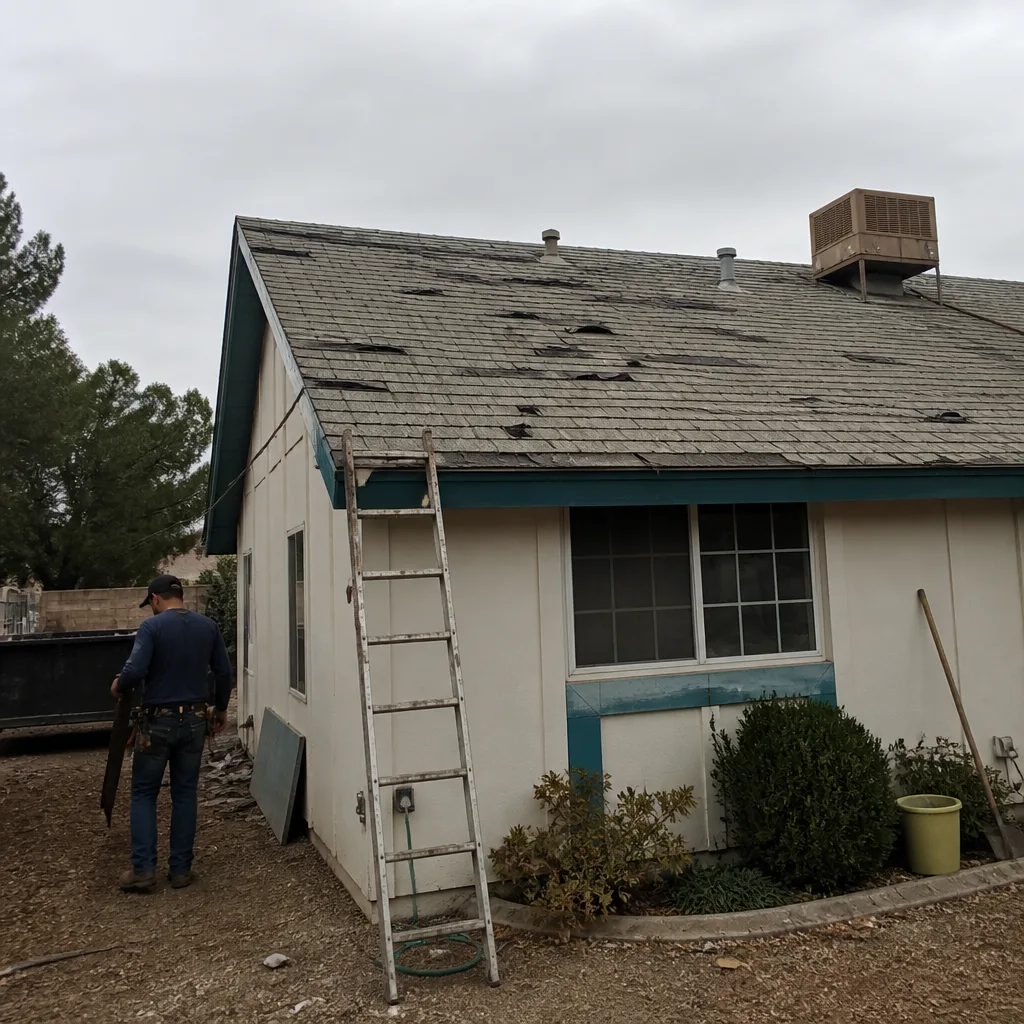 Before
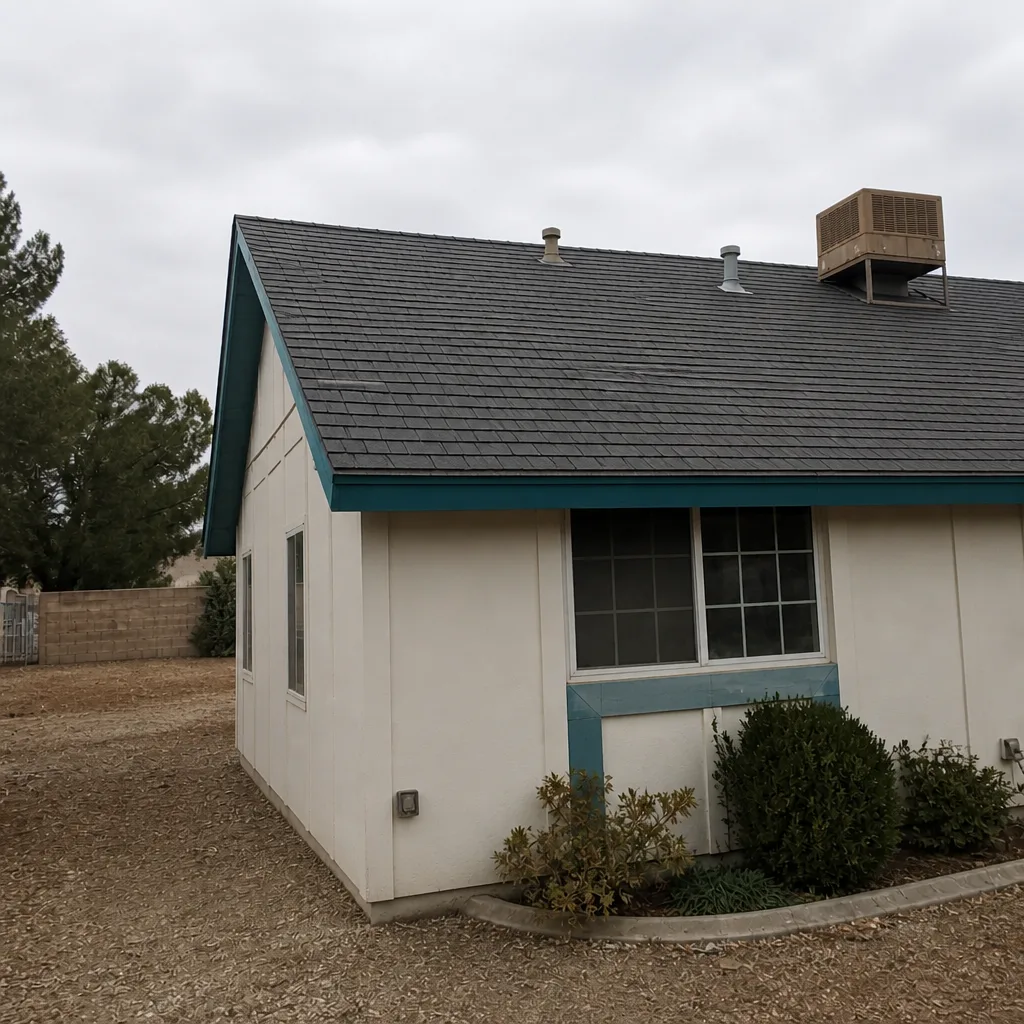 After
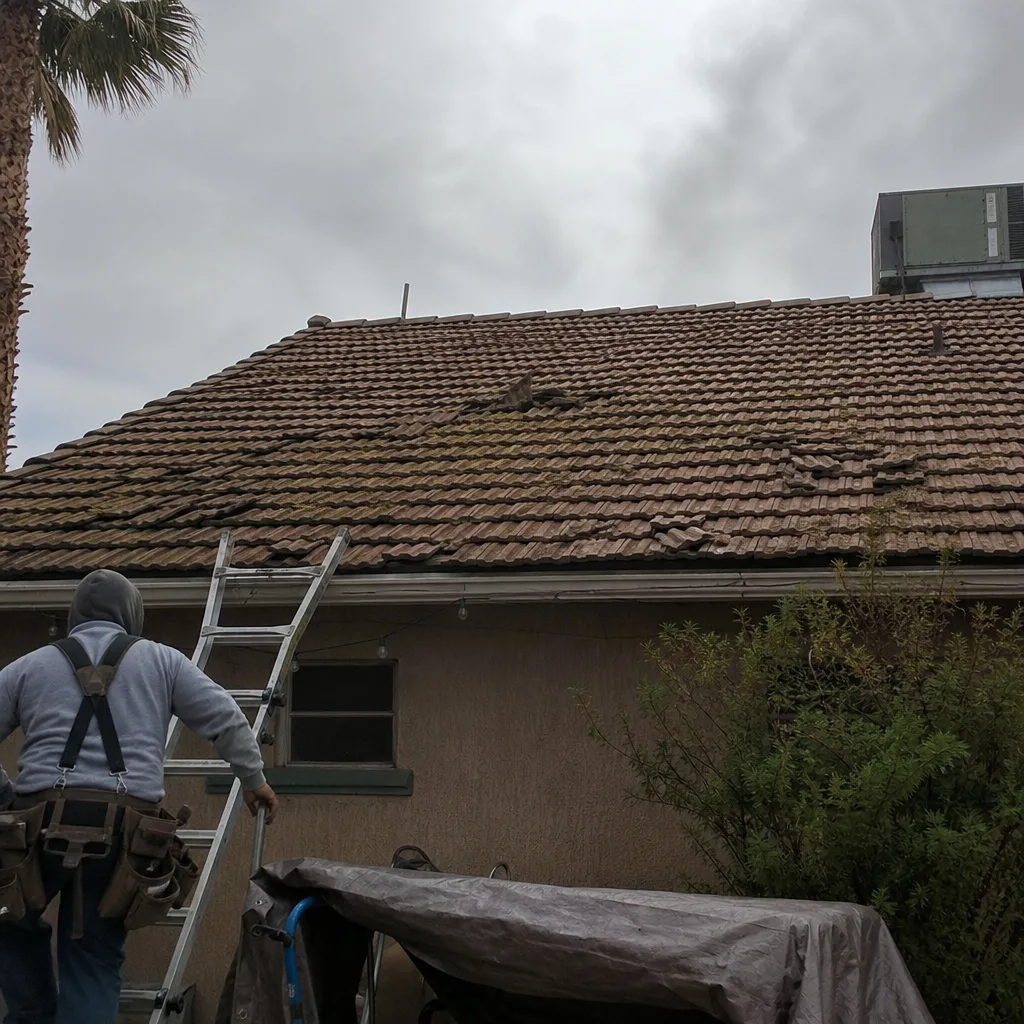 Before
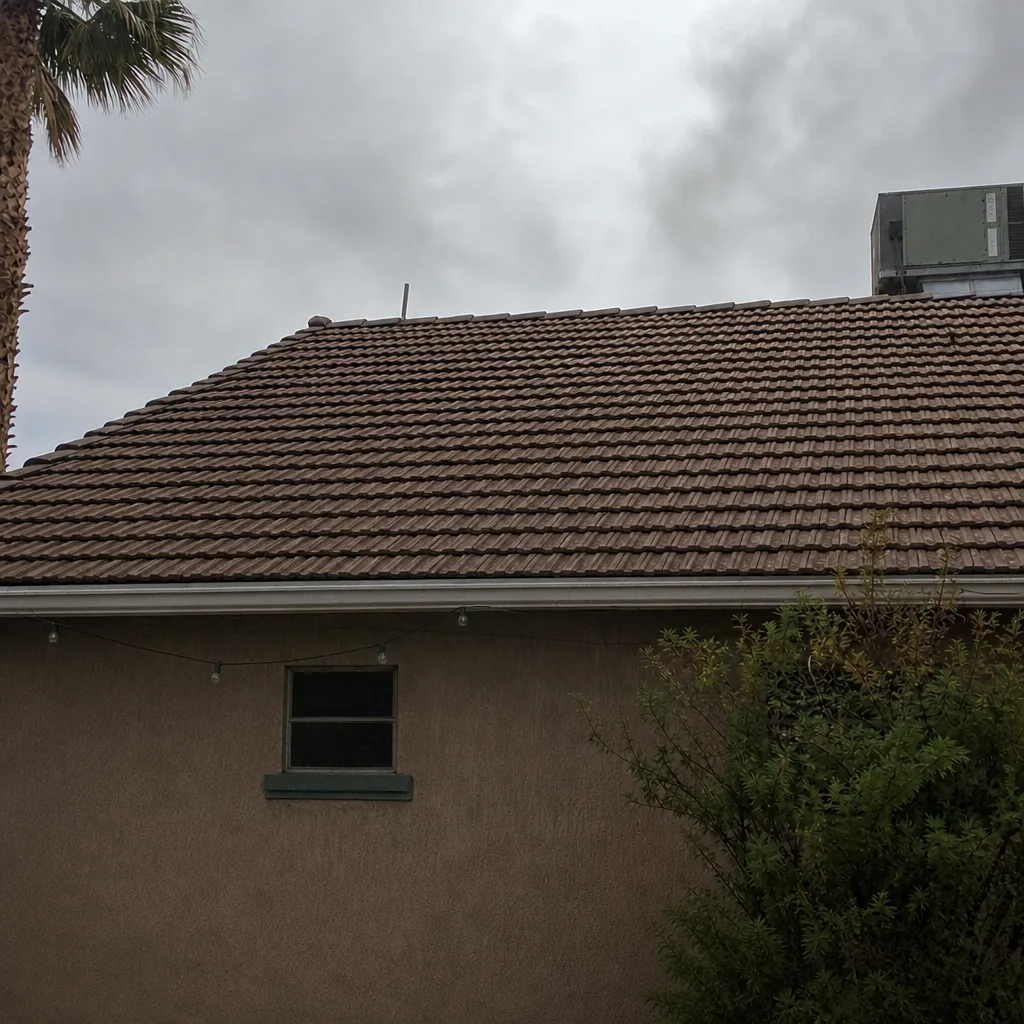 After
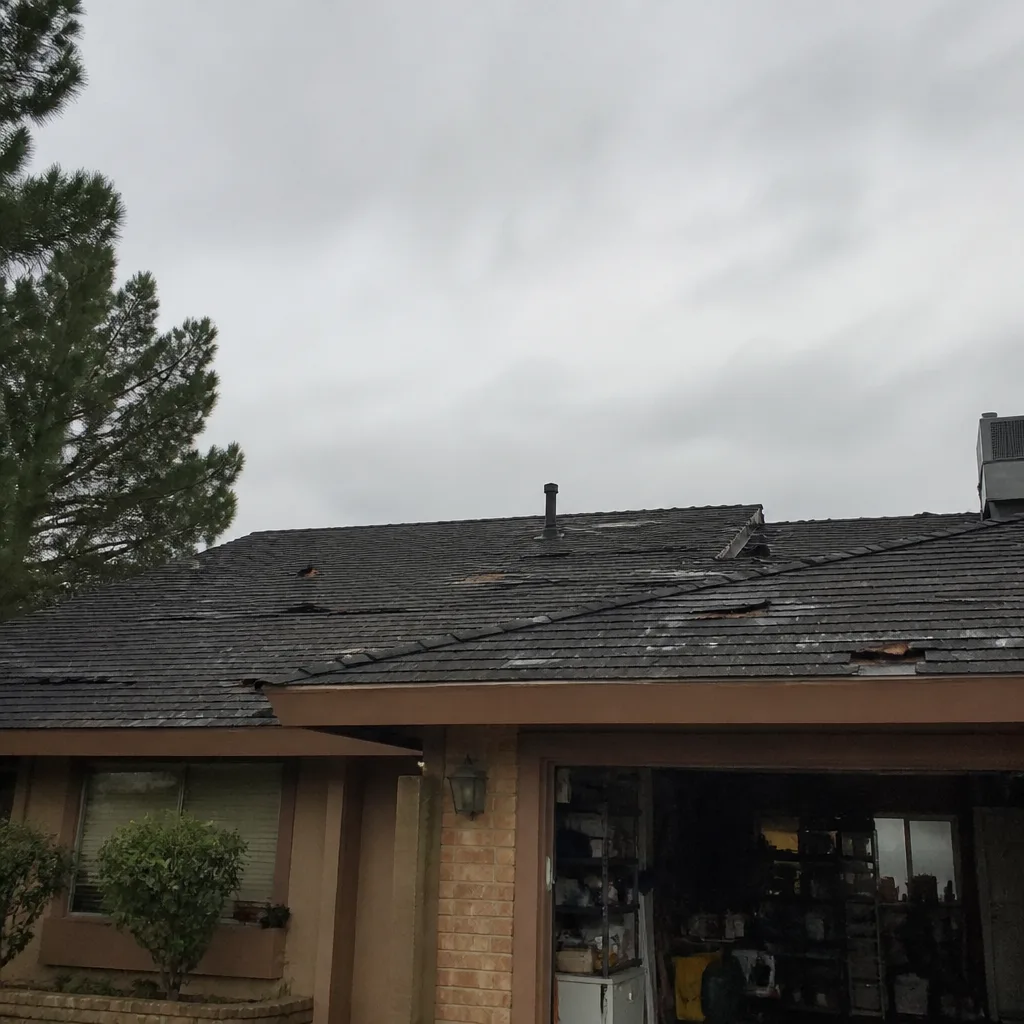 Before
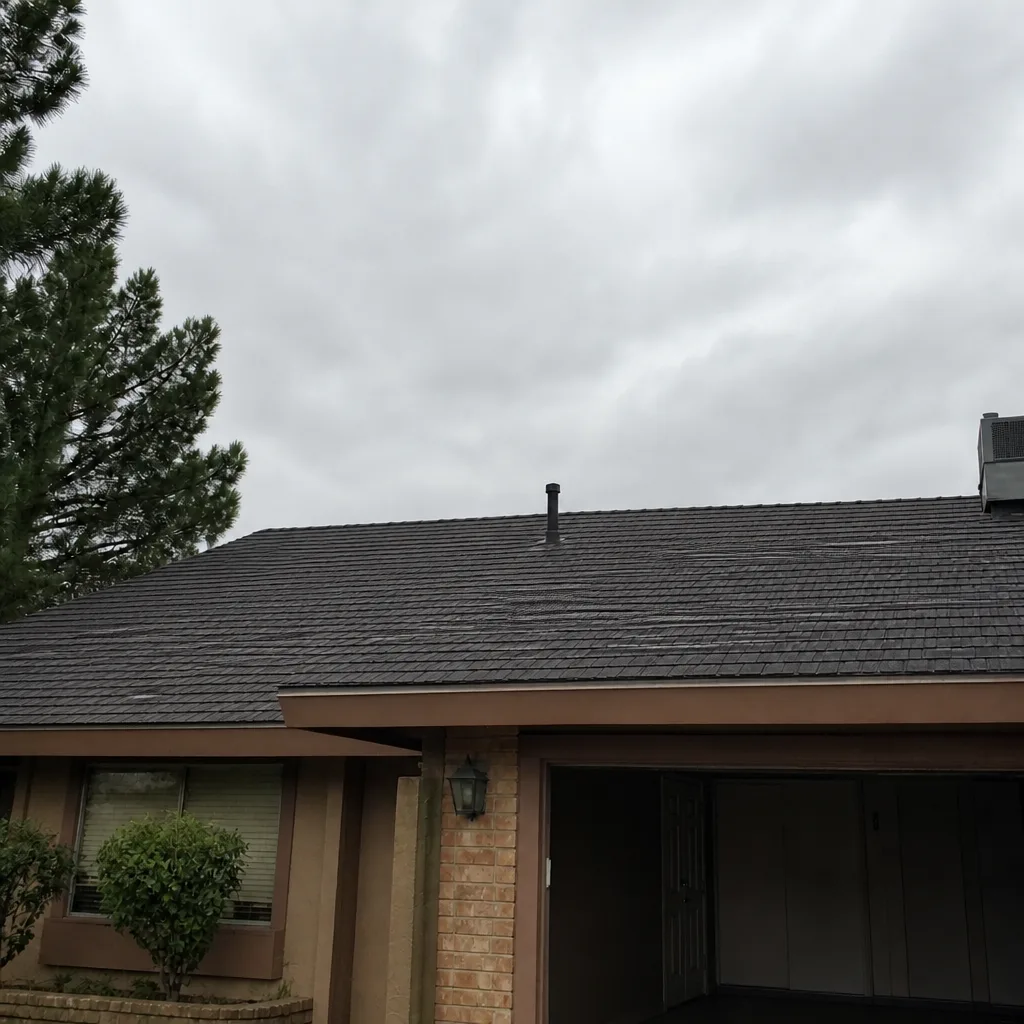 After
When to Call a Professional
Call a professional for any specialty roof work where the substrate is unknown, the system is under warranty, or the job involves heights and a permit. Specifically: if you’ve seen water stains on the ceiling below a flat roof, if your foam coating is chalking or separating from the surface, if you’re missing or cracked tiles on a pitched roof, or if you’re planning a full replacement on a home you intend to keep for the long haul. Specialty roofing isn’t the place for a driveway guess or a weekend project, because the failure modes are slow and invisible until they aren’t. Ridgeline Roofing Co. Sunrise Manor offers free estimates in Sunrise Manor – call (844) 941-3509 to schedule an inspection and get a real timeline you can plan around. We’re a live-answer shop around the clock, and we’re happy to talk through what your specific roof is likely to need before you commit to anything.
Frequently Asked Questions
Yes, sometimes. A 1,500 square foot flat roof with sound decking, straight-forward layout, and no substrate problems can be done in one working day. The moment the crew finds rotted decking or saturated insulation, that timeline stretches to two or three days. That’s why the inspection before the contract matters so much. Call (844) 941-3509 to schedule a free inspection and get an honest day-by-day plan.
A single storm delay typically adds one to three working days, and can add more if the job is a multi-day tear-off that has to be re-scheduled entirely. The real cost is when a storm hits mid-tear-off and the exposed decking gets soaked. That can force replacement of deck sections that were otherwise fine. Plan specialty tear-offs for the October – April window when possible. Call (844) 941-3509 to talk through scheduling.
Yes, plan on it. Freshly applied foam coatings need to cure before foot traffic, and stepping on them can leave permanent marks or compromise adhesion in that spot. Keep ladders, pets, and kids off the surface for the full window the manufacturer specifies for your coating system. Call (844) 941-3509 if you’re not sure what your coating requires.
Three to seven days of crew time on most homes. Simple gable roofs finish near three days. Roofs with multiple hips, valleys, and steep pitches finish closer to seven. Underlayment is installed before tile and is the actual waterproofing layer, so the sequencing between the two matters. Call (844) 941-3509 for a timeline based on your specific roof.
Usually, yes. Municipal final inspections happen after the physical labor is complete, and scheduling can add anywhere from a couple of days to a week or more depending on the inspector’s calendar. If you need the project closed out before a deadline (a sale, for example), call (844) 941-3509 early and we can build the inspection window into your timeline from the start.
A one-sentence answer like “one to two days” without any specifics about substrate, cure, or inspection. A realistic timeline document names the daily scope, the substrate contingency, and the post-labor holds. If it doesn’t, ask what’s driving each phase. Call (844) 941-3509 if you want a second opinion on a written estimate you’ve received, which we offer at no charge.
The Bottom Line
Specialty roofing timelines are set by system type and substrate condition more than anything else. TPO on a sound flat roof can finish in one day, concrete tile on a complex hip roof takes seven, and both are honest numbers. What matters most is the inspection before the contract, the contingency plan for what’s under the old surface, and the cure and inspection holds that push “done” a few days past the last day of labor. In Sunrise Manor, monsoon season factors into every specialty schedule July through September, and the contractors who plan around that are the ones whose timelines hold. Get the specifics in writing, and follow the link to specialty roofing in Sunrise Manor for more on how we approach each job. Call (844) 941-3509 for a free estimate and a timeline you can actually plan around.
Written by the team at Ridgeline Roofing Co. Sunrise Manor.