
Last updated November 18, 2026
 Architectural shingles
 Metal roofing
 Tile roofing
 GAF
 Owens Corning
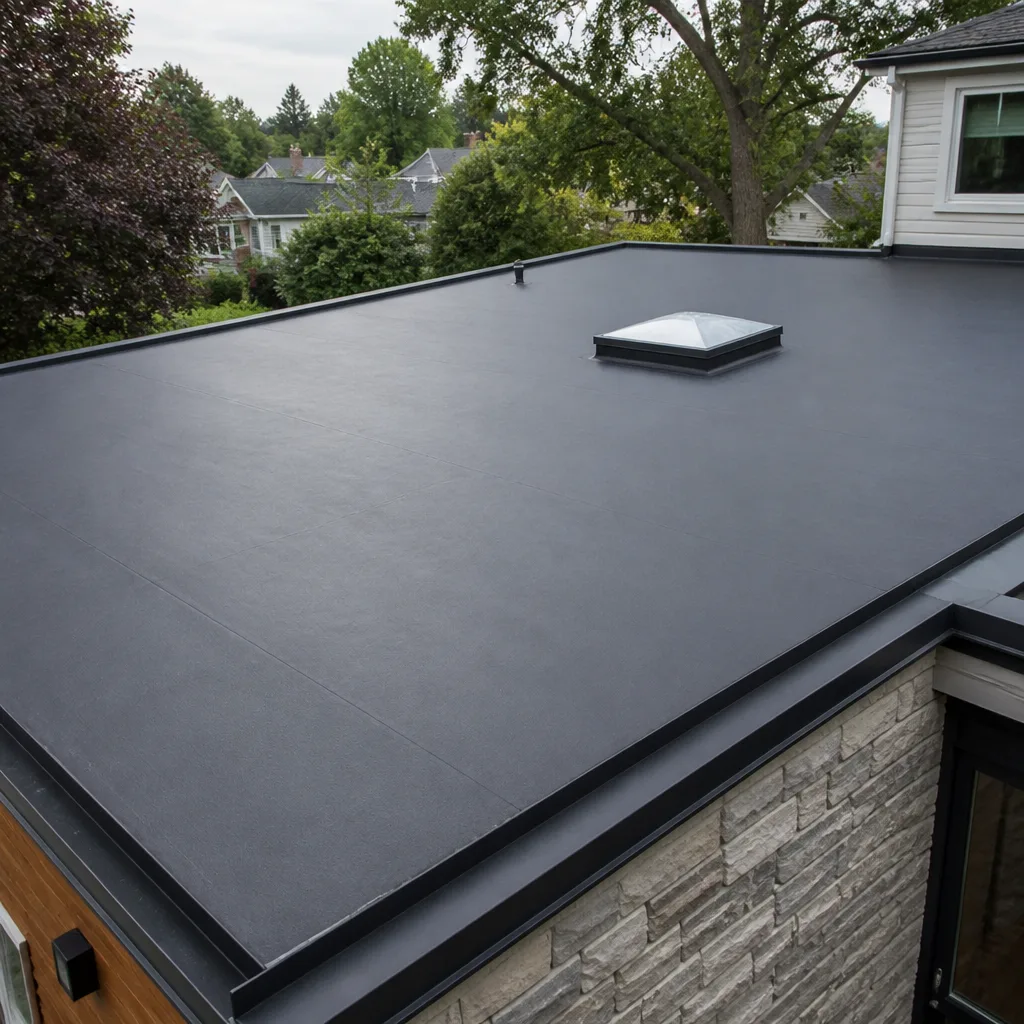 Flat & low-slope
Free roof inspection with deck photos before we talk money - GAF and Owens Corning certified installation
DIY vs Professional Gutters & Accessories: What’s Safe to Do Yourself
A homeowner who re-seals a leaking gutter joint without first checking the rotted fascia board behind it has just waterproofed a slow collapse. That is the plain truth about gutter work, and it is why the usual “can I do this myself?” question misses the point. Clearing a clogged downspout is genuinely safe. Re-pitching a sagging run or sealing an end cap near the roofline can hide wood rot, loose flashing, or a failing roof edge that costs ten times more to fix once it has spread through a season. In Sunrise Manor, where wide eaves and hard desert sun work on gutters year-round, that hidden damage shows up fast. This guide breaks down which gutter tasks stay in your hands and which ones need a trained eye on the fascia before anyone touches a caulk gun.
Styles & brands we work with
- Architectural shingles
- Metal roofing
- Tile roofing
- GAF
- Owens Corning
- Flat & low-slope
Quick Answer
Clearing downspouts, flushing gutters with a hose, and replacing a single spike-and-ferrule hanger are safe for a careful homeowner to handle. Re-sealing end caps, re-pitching a sagging run, and replacing any gutter section within a few feet of the roofline look simple but can mask rotted fascia, loose flashing, or a failing roof edge. Those jobs deserve a professional inspection, and in Sunrise Manor the combination of intense sun and monsoon rain makes hidden damage appear faster than most homeowners expect.
Table of Contents
- Why Sunrise Manor Gutters Fail Differently
- Tasks That Are Genuinely Safe to Do Yourself
- Tasks That Look Simple But Hide Structural Problems
- How to Inspect Your Fascia and Soffit Before You Decide
- The Ladder-Angle Math That Catches Sunrise Manor Homeowners
- What Photos Reveal That a DIY Fix Covers Up
- Gutter Guards, Heat Tape, and Accessories: Where the Line Sits
- Common Mistakes to Avoid
- When to Call a Professional
- Frequently Asked Questions
- The Bottom Line
Why Sunrise Manor Gutters Fail Differently
Gutter advice written for the Pacific Northwest does not translate to Sunrise Manor. Here the sun bakes asphalt shingles and aluminum gutters at the same time, and the seasonal monsoon dumps a month of rain in an hour. That combination of long dry heat and sudden volume is what breaks gutters in this valley, and understanding it is the first step in deciding whether to pick up a ladder or pick up the phone.
Aluminum expands when it is hot and contracts when the desert cools overnight, and over years that cycle loosens fasteners. The spike-and-ferrule hangers that hold most single-story gutters on Sunrise Manor homes work themselves out of the fascia board little by little. When a monsoon finally arrives in July or August, the weight of a full running gutter pulls the loosened hangers free and the whole run sags. That is a structural problem, not a weather problem.
The second factor is the wide eaves common on ranch homes built across Sunrise Manor from the 1960s through the 1980s. Those deep overhangs were designed for shade, and they do it well, but they also put the gutter line several feet out from the wall. That offset changes the ladder geometry, which we will get to. It also means a gutter leak can run down the fascia for months without ever touching a wall you would notice from inside the house.
None of this means gutters in Sunrise Manor are doomed. It means the failure pattern is predictable and worth inspecting on a schedule instead of after a storm. If anything else on the roof edge is turning up, our team at Ridgeline Roofing Co. Sunrise Manor home walks through the whole exterior rather than just the gutter line.
Tasks That Are Genuinely Safe to Do Yourself
We are not going to tell you that maintaining your own gutters is off limits. Some of it is straightforward and worth doing. Here is what stays safely in the homeowner’s hands, assuming you are comfortable on a ladder at a height you can manage.
Clearing Downspouts
A clogged downspout is the most common and most fixable gutter problem. You can clear it from the ground with a hose or a plumber’s snake, or by removing the bottom section and flushing upward. No harm, no structural risk, and a fast improvement. Do this twice a year in Sunrise Manor – once in late spring before monsoon season and once in fall after the desert willow trees drop their seed pods.
Flushing Gutters With a Garden Hose
Running water through the gutter with a hose tells you whether the run is clear and where it is leaking. That is diagnostic work, and it is free. Use a nozzle on low pressure so you do not splash water up under the roof edge, where it can work behind the drip edge.
Replacing a Single Spike-and-Ferrule Hanger
If one hanger has come loose and the fascia board behind it is solid wood, tapping a slightly larger spike back into place is a reasonable homeowner task. One hanger, solid wood, no soft spots – go ahead. Several hangers, soft wood, or a run that has visibly dropped: stop and read the next section.
Cleaning the Gutter Troughs
Hand-scooping leaves, granules from worn shingles, and seed pods out of the trough is safe and necessary. Wear gloves. Roofing granules are gritty and end up in the gutter continuously on older Sunrise Manor roofs; that is normal and does not mean the gutter is failing.
A Word on Ladder Safety
Every one of these tasks requires getting on a ladder. If the ladder will not sit flat on the ground, if you need to reach up past your hips to work, or if you would be stretching sideways from the top rung, do not do it. No gutter is worth a fall.
Tasks That Look Simple But Hide Structural Problems
This is where the real decision lives. The tasks below present as easy. They are not, because the visible problem is almost always a symptom of something behind the metal that you cannot see from a ladder without knowing what to look for.
Re-Sealing an End Cap or a Leaking Joint
A joint that keeps leaking after you seal it usually is not a sealant problem. It is a movement problem – the gutter is shifting because the hangers behind it have loosened or the fascia has softened. Sealing the joint hides the movement from you. Three months later the joint leaks again, and by then the fascia has been wet for a full season.
Re-Pitching a Sagging Gutter Run
Adjusting pitch looks easy: loosen the hangers, shift them, tighten. The reason a run sags in the first place in Sunrise Manor is usually that the fasteners have lost their grip in the fascia board. If the wood behind them is soft, re-pitching puts the load right back on soft wood, and the sag returns. A professional re-pitch starts with probing the fascia to confirm the substrate is sound.
Replacing a Gutter Section Near the Roofline
Any section of gutter that sits within a couple of feet of the roof edge is connected to drip edge, fascia, and often the first row of shingles. Getting it out and getting the new section back in without disturbing the drip edge takes experience. And when the old section comes off, you want a trained eye there to see what the inside of the fascia looks like. That is often where a small gutter job becomes a fascia repair, and occasionally a roof edge repair.
Anything That Requires Bending Fascia Back Into Place
If a fascia board has cupped or split – common after years of desert heat cycling across Sunrise Manor rooftops – the correct repair is to replace or sister the board, not to bend it. Bending a fatigued board is how a small leak becomes a structural repair.
How to Inspect Your Fascia and Soffit Before You Decide
None of this matters unless you actually check. Fascia and soffit inspection is simple enough that any homeowner can do a preliminary pass, and doing it before you decide keeps you from sealing over a problem. Here is a numbered approach that works anywhere in Sunrise Manor.
- Start from the ground with binoculars. Look for staining or water marks along the fascia board – the vertical face the gutter attaches to. Pale streaks that look like old water rings mean the gutter has been overflowing for a while.
- Check the soffit from below. The soffit is the underside panel. Sagging, peeling paint, or a honeycomb pattern of staining means water has been getting behind the gutter and wicking into the soffit. That is beyond a gutter fix.
- Probe the fascia with a screwdriver. From a ladder, press the tip of a screwdriver into the fascia right next to each hanger. If it sinks in with light pressure, the wood is soft. Stop here and call for an inspection.
- Look for separation at the drip edge. If the metal drip edge along the roof edge is pulling away from the fascia, water is getting behind the gutter and into the roof deck. That is a roofing problem showing up as a gutter problem.
- Check the ground at the wall. A dark, damp patch of soil at the base of the wall under a downspout, or fine soil that has been washed away, tells you the downspout has been failing and dumping water against the foundation.
- Photograph everything. Even your own inspection should be documented with photos. You will want them if you call anyone for a second opinion, and you will want them for insurance if water damage has already happened.
If your inspection turns up soft fascia or a separated drip edge, the next conversation is likely about roof repair rather than gutter repair. Our Roof Repair in Sunrise Manor team handles that handoff, so you are not left calling two companies to figure out which one owns the problem.
The Ladder-Angle Math That Catches Sunrise Manor Homeowners
Here is a detail almost nobody covers in DIY gutter guides, and it matters specifically for the single-story homes across Sunrise Manor. The basic rule for a straight ladder is the 4-to-1 rule: for every 4 feet of working height, the base of the ladder should sit 1 foot from the wall. A 9-foot gutter line, then, wants the ladder base about 2 to 2.5 feet out from the wall.
The complication on wide-eave homes is that the gutter does not sit at the wall. It sits several feet out on the overhang. When you set a ladder against the gutter line directly, you are not leaning it against a wall – you are leaning it against a gutter that is held on by fasteners already under suspicion. The correct setup is to set the ladder against the wall for stability, then reach out and up to work the gutter line, or use a standoff stabilizer that holds the ladder off the fascia entirely.
For single-story Sunrise Manor homes, that combination of a 9-foot working height, wide eaves, and desert sun on aluminum is a specific problem: by the time the ladder is stable against the wall, the top of the ladder is often below the working height you need at the gutter. Homeowners stretch. That is when falls happen. If the ladder angle is not working cleanly, hire the job. Ladder safety is not a skill that gets better with practice at 68.
One more: never rest a ladder against the gutter itself. Gutters are thin aluminum. They will dent, and a dented gutter catches water and debris and fails faster than the one you were trying to fix.
What Photos Reveal That a DIY Fix Covers Up
Here is the part of the DIY-versus-professional question that most guides skip entirely. When we inspect gutters in Sunrise Manor, we take photos from the roof. Not because it is a sales tactic – because photos are the only reliable way to see what is happening behind and under the gutter, and because those photos become evidence when a homeowner needs them.
What we find that a DIY patch would hide:
- Soft fascia at hanger points. Wood you cannot see from the ladder face. The gutter looks fine from the ground; the fascia reads soft in a photo from the roof edge.
- Backed-up water under the drip edge. Dark staining along the first row of shingles that says water has been running behind the gutter and under the roof edge.
- Failed sealant at the gutter-to-fascia line. Present even when the gutter itself looks dry. The water has been going down the back of the gutter, not into it.
- Loose shingle tabs at the eave. Often the earliest sign the gutter has been overflowing and wetting the roof edge, especially on the older Sunrise Manor ranch homes.
- Rust on the inside of the gutter trough. Tells you standing water is present – a pitch problem, not a clog problem.
Why does documentation matter beyond the inspection itself? Two reasons. First, insurance. If a monsoon storm pushed water under your roof edge and into a soffit, your insurer will want to see what the failure looked like. A homeowner who patched a joint in July has removed the evidence by September. Second, warranty. When we install gutters and accessories under manufacturer lines like GAF, CertainTeed, or Owens Corning, proper installation photos back the warranty. A DIY patch does not.
If a photo inspection turns up an eave problem that goes beyond the gutter, the next conversation is often about a Roof Replacement & Installation in Sunrise Manor, or a repair on the roof edge that is more involved than a gutter swap. Better to know that before you start.
Gutter Guards, Heat Tape, and Accessories: Where the Line Sits
Accessories are the murkiest part of the DIY question, so let us draw the line clearly.
Gutter Guards
Snap-in gutter guards are a reasonable DIY project on a single-story Sunrise Manor home if the gutter run is clean and the fascia is sound. The catch is that most guard failures we see were installed over gutters that were already sagging or under-pitched. Installing a guard on a failing gutter hides the failure instead of fixing it. If the gutter itself passes inspection, a guard is a fine weekend project. If it does not, the guard goes on after the gutter gets fixed, not before.
Downspout Extensions and Splash Blocks
Adding a flexible downspout extension to route water away from the foundation is a safe DIY task and one of the highest-return gutter accessories in a city where the soil is caliche clay that does not absorb sudden water. This is the sort of thing worth doing yourself.
Heat Tape and Freeze Protection
Not common in Sunrise Manor, but worth mentioning because it does come up on the cusp seasons. Any electrical component in the gutter system deserves a licensed electrician. We do not recommend DIY electrical work in wet outdoor locations.
Leaf Screens and Micro-Mesh
Fine. Snap-on, low risk, and easy to remove for cleaning. Just make sure the underlying gutter is sound first. In our experience, a homeowner who installs micro-mesh over a gutter that has not been cleaned in five years has essentially sealed decomposing leaves in place.
For specialty gutter profiles and roof-edge details, our Specialty Roofing in Sunrise Manor team handles the oddball cases – box gutters, custom fascia covers, hard-to-match profiles.
Common Mistakes to Avoid
- Sealing a leaking joint before probing the fascia. Sealant is almost never the answer to a joint that will not stop leaking. The sealant hides movement, the fascia keeps wetting, and you have bought yourself one season.
- Resting a ladder on the gutter itself. Thin aluminum dents easily, and a dented gutter catches debris and fails faster. Always set the ladder against the wall or use a standoff stabilizer.
- Re-pitching a sagging run without checking why it sagged. In Sunrise Manor, sag almost always means hangers have pulled loose from degraded fascia. Re-pitch on soft wood and the sag returns within one monsoon season.
- Installing gutter guards over a gutter that has not been cleaned in years. Guards trap debris that is already inside. The gutter fails from the inside out, and the guard has to come off to fix it.
- Skipping the pre-monsoon flush. Sunrise Manor gutters that are flushed in May are far less likely to overflow and back water under the roof edge when July rains arrive. This is the single highest-return gutter task a homeowner can do.
- Not photographing anything. A homeowner who patches a leak without documenting the original damage loses any insurance claim options later. Photos are free. Take them.
- Assuming soffit staining is a paint problem. Staining along the soffit almost always means water is getting behind the gutter. Repainting the soffit hides the evidence without fixing the cause.
When to Call a Professional
Call for a professional inspection if any of the following is true: the fascia probes soft at any hanger point; a gutter run has dropped visibly in more than one place; water is staining the soffit or the first row of shingles; the gutter section near the roofline is failing; you would need to work at the top of a ladder to reach the gutter line; or a previous patch has started leaking again within a year. These are the situations where the fix can hide a rotted fascia board, a loose drip edge, or a failing roof edge – and where a trained eye needs to see the problem before it gets sealed over. Ridgeline Roofing Co. Sunrise Manor offers free estimates in Sunrise Manor, with photo-documented inspections and written line-item pricing. Call (844) 941-3509 for a free estimate.
Frequently Asked Questions
Yes – clearing and flushing your own gutters is safe for a careful homeowner on a single-story Sunrise Manor home, as long as the ladder sits flat, the gutter line is reachable from a stable angle, and you are comfortable at that height. It becomes a professional job the moment the ladder angle does not work cleanly, the roof is taller than a single story, or your inspection turns up soft fascia or a failing roof edge.
Gutter repair in Sunrise Manor typically runs a few hundred dollars for a straightforward re-pitch or re-hang when the fascia is sound, and higher when fascia or soffit repair is involved. Call (844) 941-3509 for an exact quote – estimates are free, and we provide written line-item pricing so you know what you are paying for before the work starts.
Sometimes, but less often than homeowners expect. If the joint is leaking because of a small case of sealant failure and the fascia behind it is solid, a patch is fine. If the joint is leaking because the gutter is moving, the patch hides the problem and the joint will leak again within a year – usually after the fascia has been wet for another monsoon season. In our experience, a patch on a moving joint ends up costing more in fascia repair than the original professional fix would have.
Probe it with a screwdriver from a ladder, right next to each hanger. If the tip sinks in with light pressure, the wood is soft and needs repair. Back it up with photos: staining along the fascia, sagging soffit panels, and water marks along the first row of shingles all point to fascia damage that a gutter inspection should address before any sealant goes on. If you are unsure what you are looking at, a photo-documented inspection gives you a clear answer without climbing anything yourself.
Yes, in the right circumstances. If a monsoon storm pushes water under your roof edge because the gutter was overflowing, that water damage may be covered – but only if the failure is documented before you patch it. Homeowners in Sunrise Manor who photograph the damage and get a professional inspection before making repairs have a much cleaner claim. A DIY patch applied in July typically removes the evidence the insurer needs by the time the claim is filed in the fall.
Yes. We install gutter guards, downspout extensions, and roof-edge accessories as part of our gutter work, using manufacturer-licensed materials from GAF, CertainTeed, or Owens Corning where the profile calls for it. All work is backed by the 90-Day Done Right Promise: if it is not right, we come back and make it right. Call (844) 941-3509 for a free estimate.
The Bottom Line
Most gutter tasks look like the same kind of job, but they are not. Clearing, flushing, and replacing one hanger on solid wood are genuinely safe for a careful homeowner to handle. Re-sealing joints, re-pitching a sagging run, and replacing any section near the roofline look just as simple and are the ones that hide fascia rot, loose drip edge, and a failing roof edge. If your inspection turns up soft wood or a water stain you cannot explain, the answer is not sealant. It is a trained eye on the fascia, documented with photos, before the problem gets covered up for another season. In Sunrise Manor, where the sun and the monsoon work on gutters year-round, that one decision – inspect before you seal – is what separates a fix from a postponement.
If you are not sure which side of that line your gutter job sits on, we will come look. Ridgeline Roofing Co. Sunrise Manor offers free estimates, photo-documented inspections, no-hassle upfront pricing, and a live person answering every call. Call (844) 941-3509 for a free estimate.
Written by the team at Ridgeline Roofing Co. Sunrise Manor.
See the difference
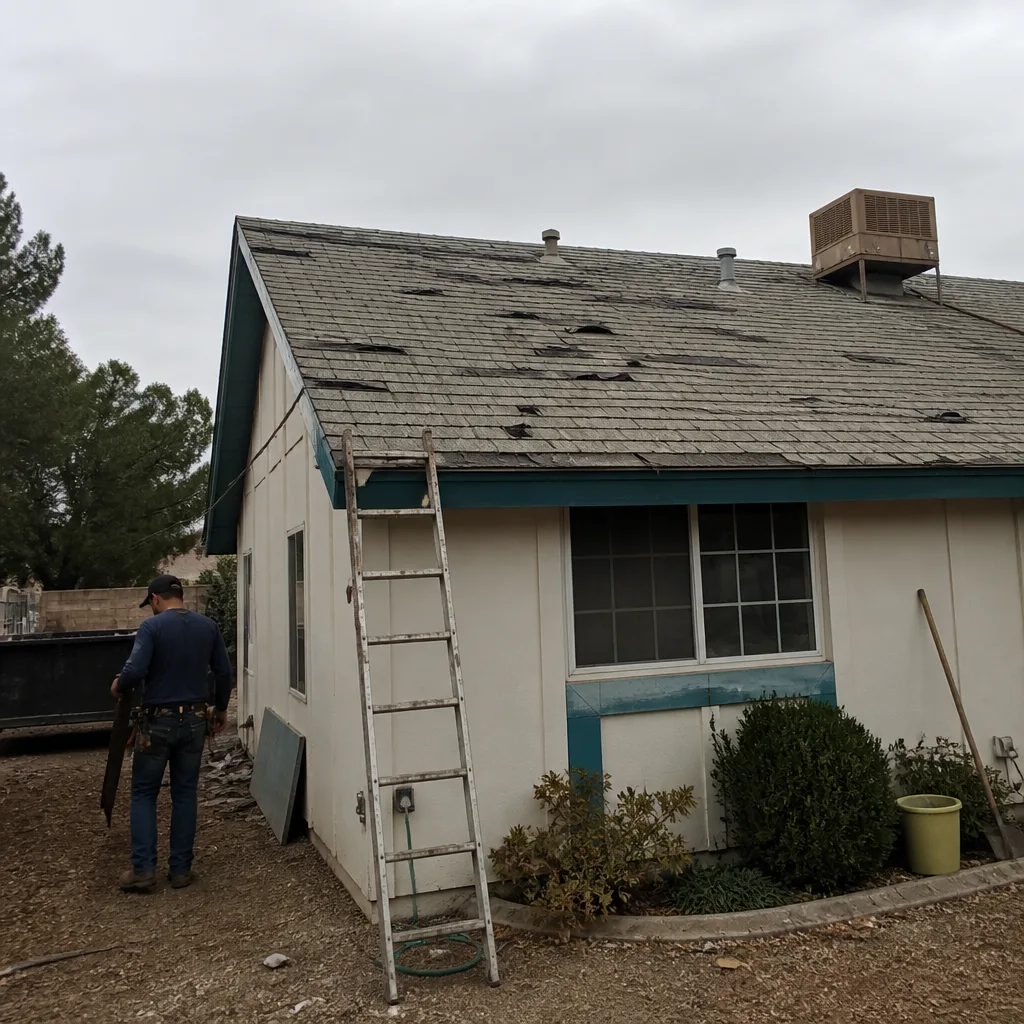 Before
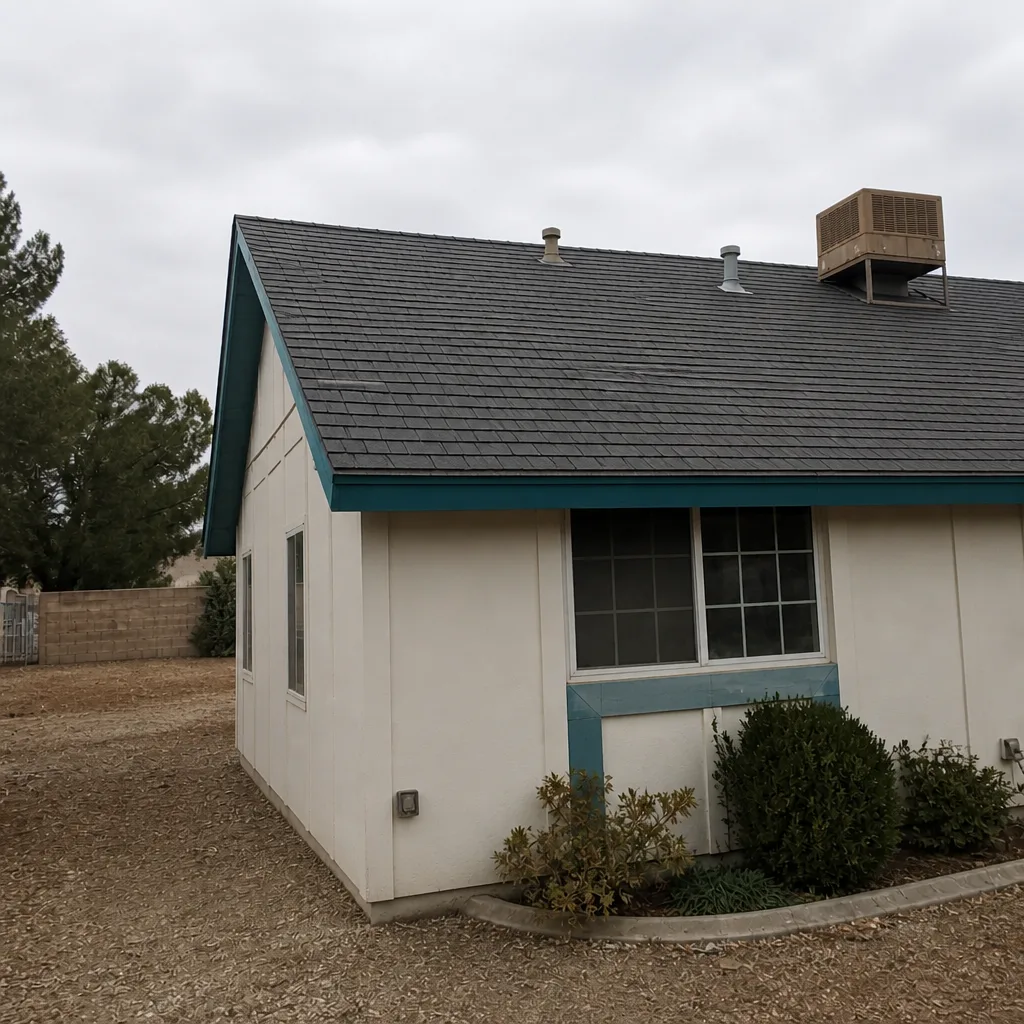 After
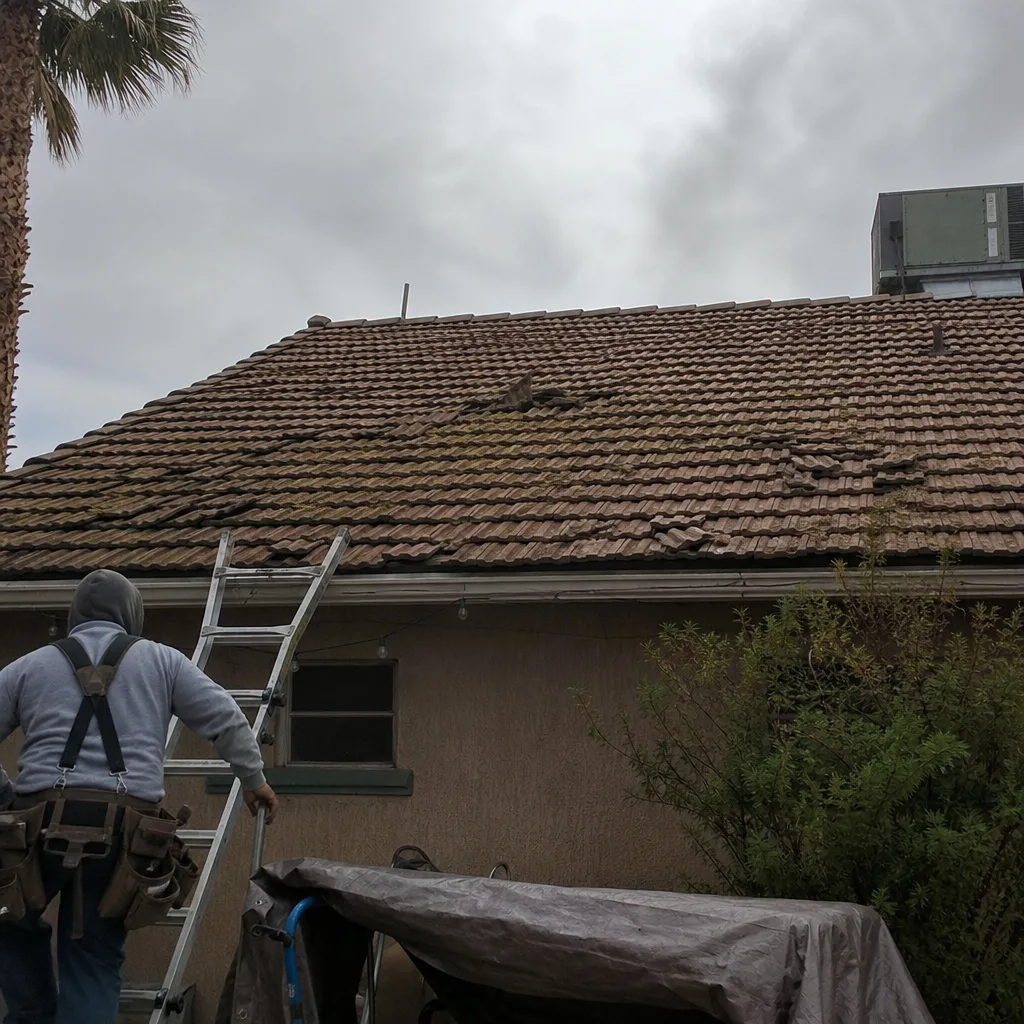 Before
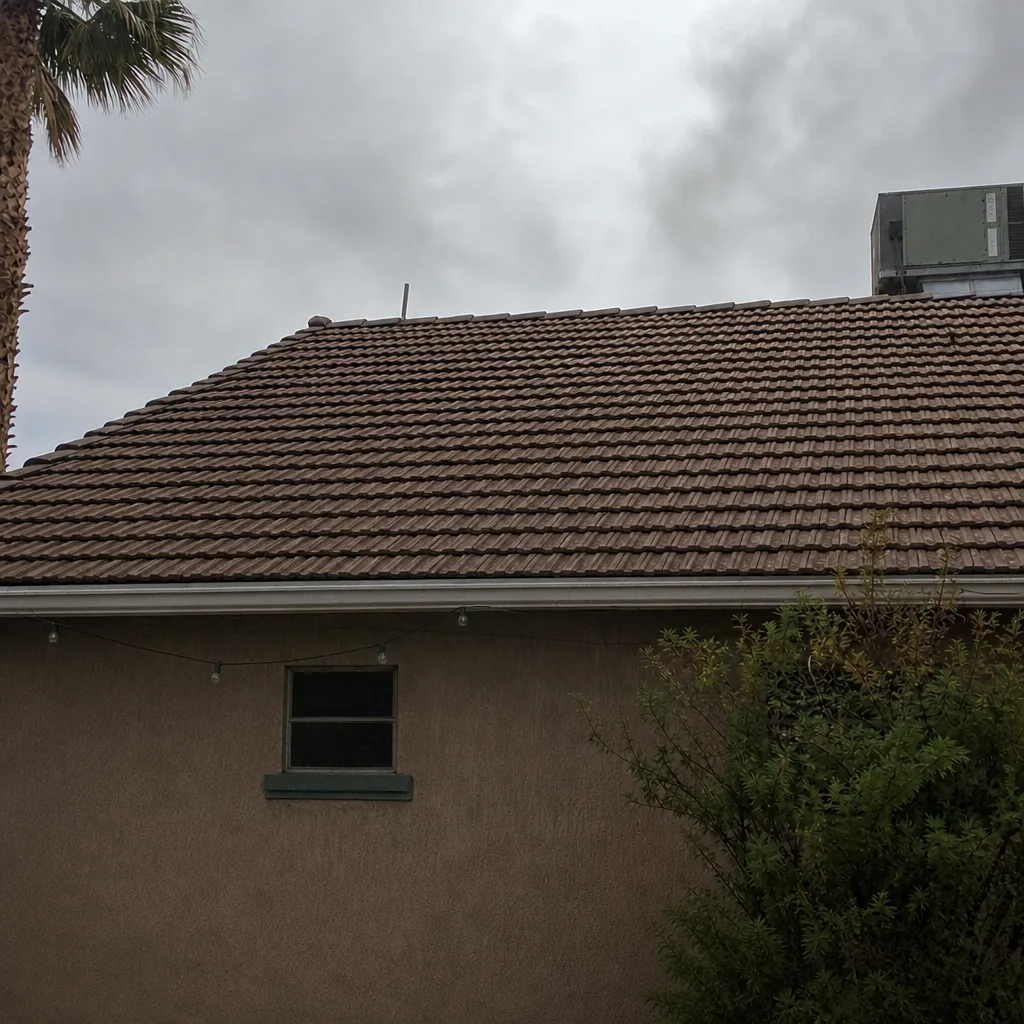 After
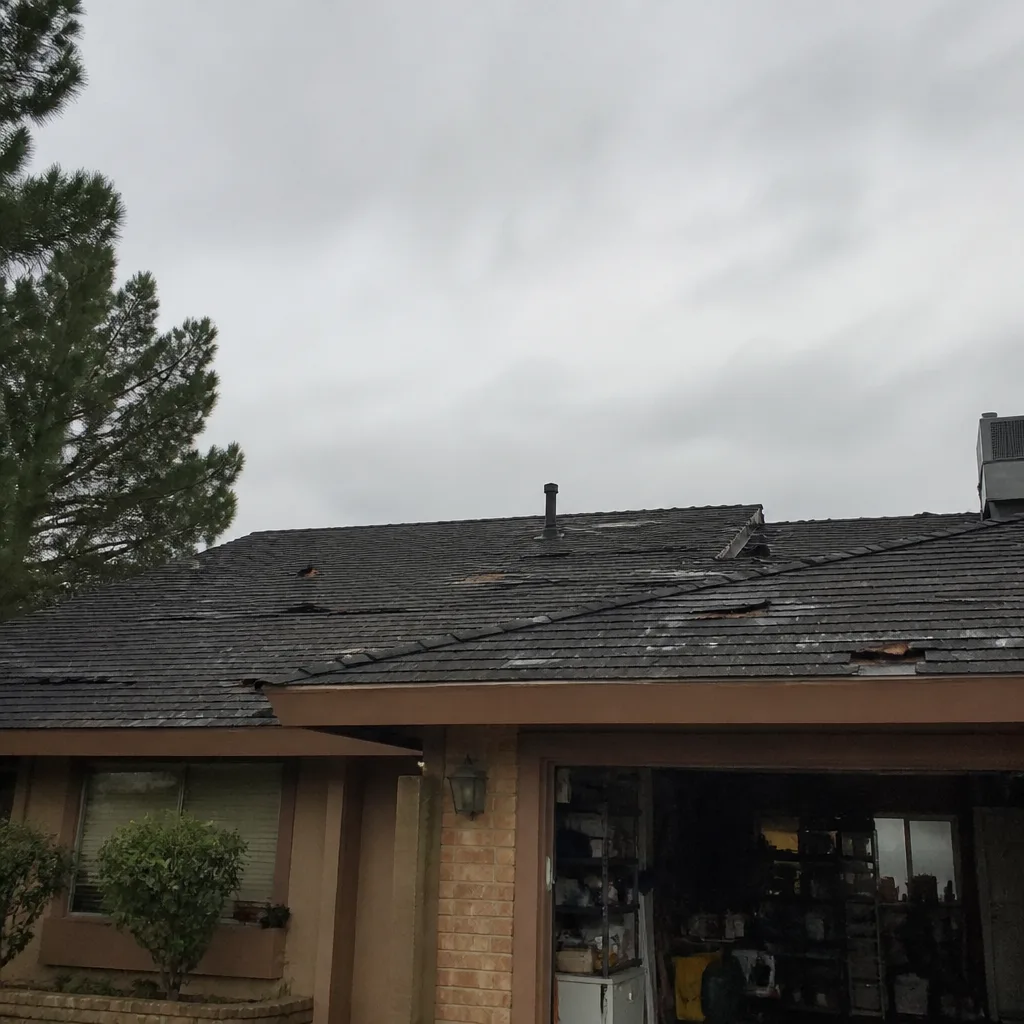 Before
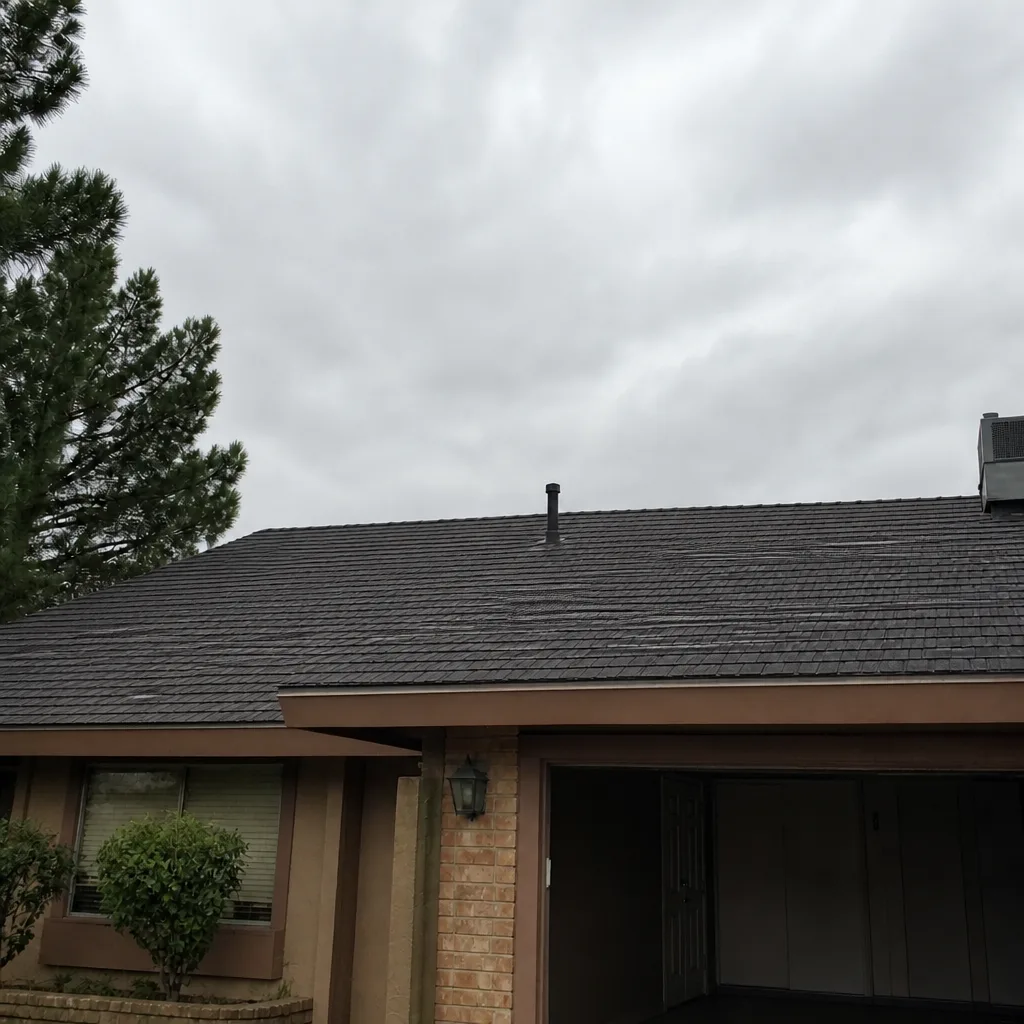 After