
Last updated November 18, 2026
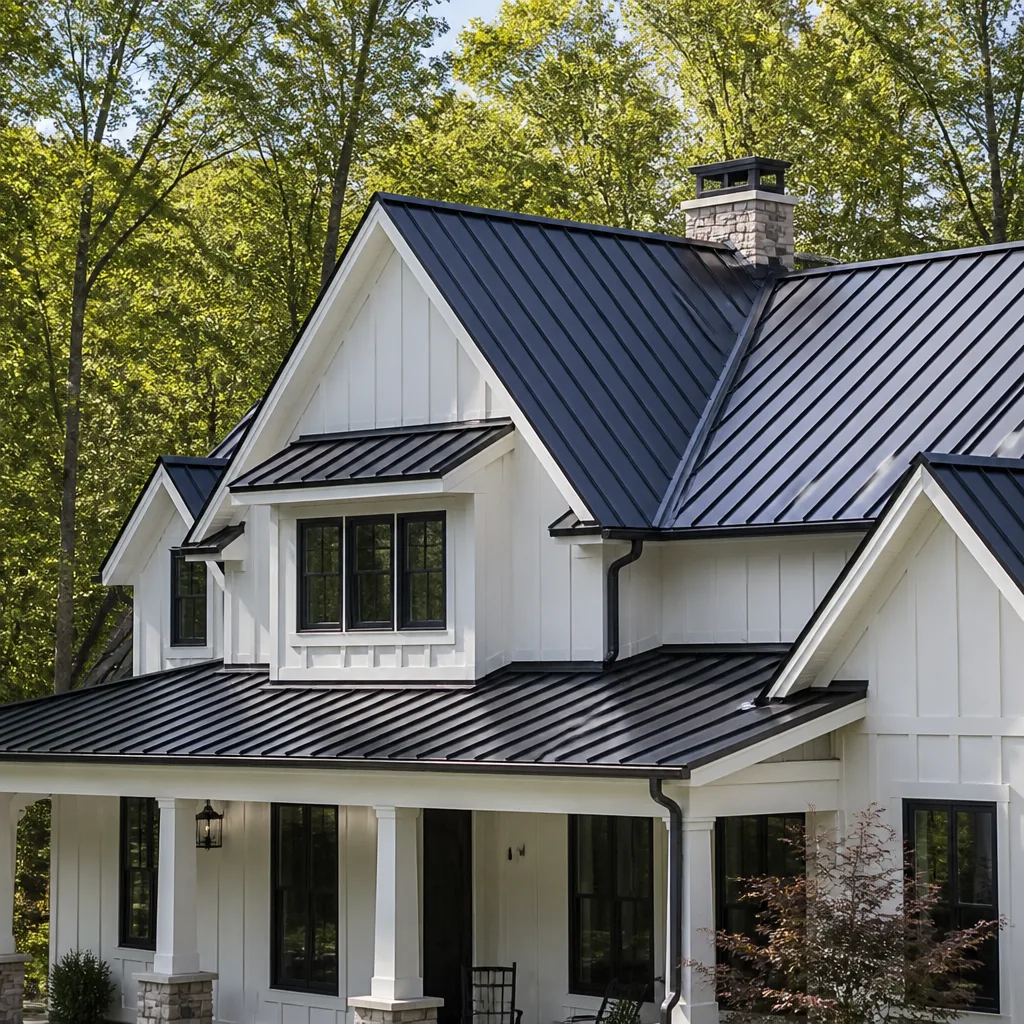 Metal roofing
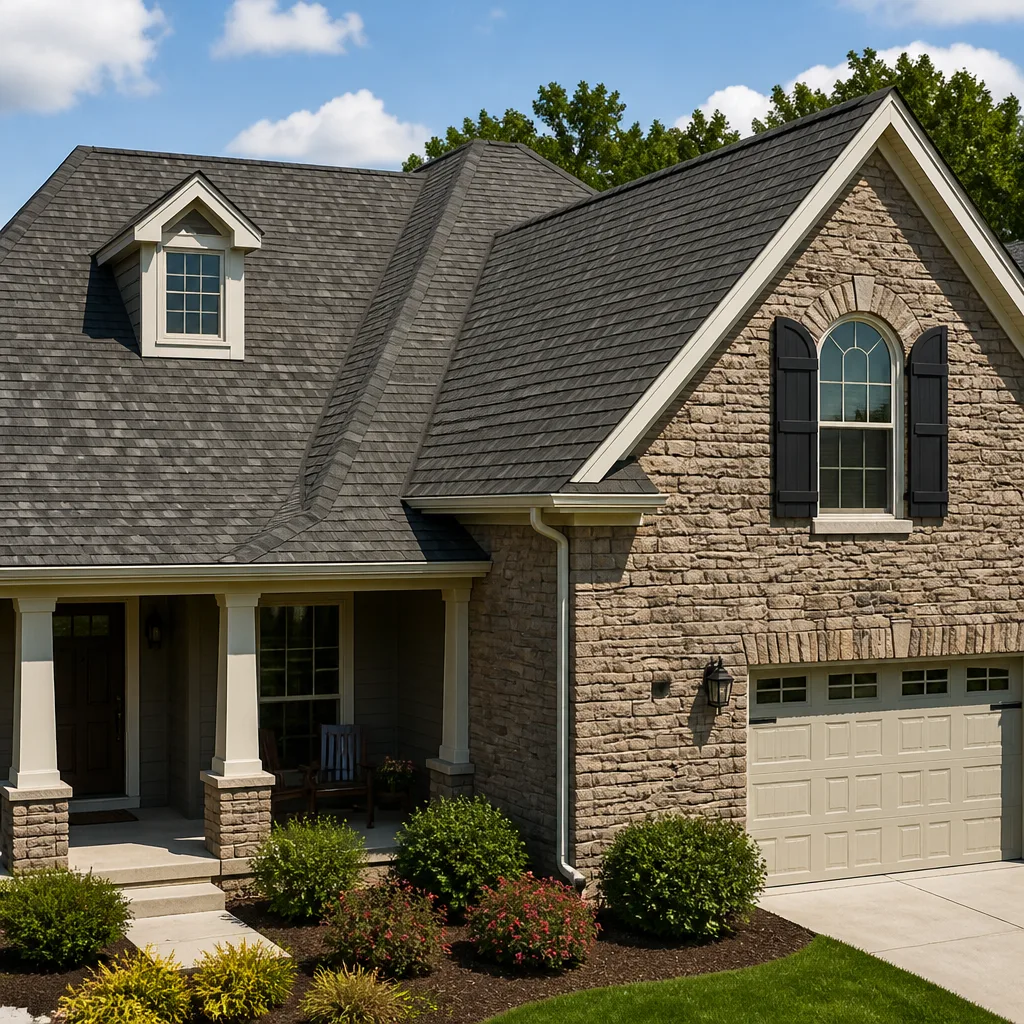 Architectural shingles
 Tile roofing
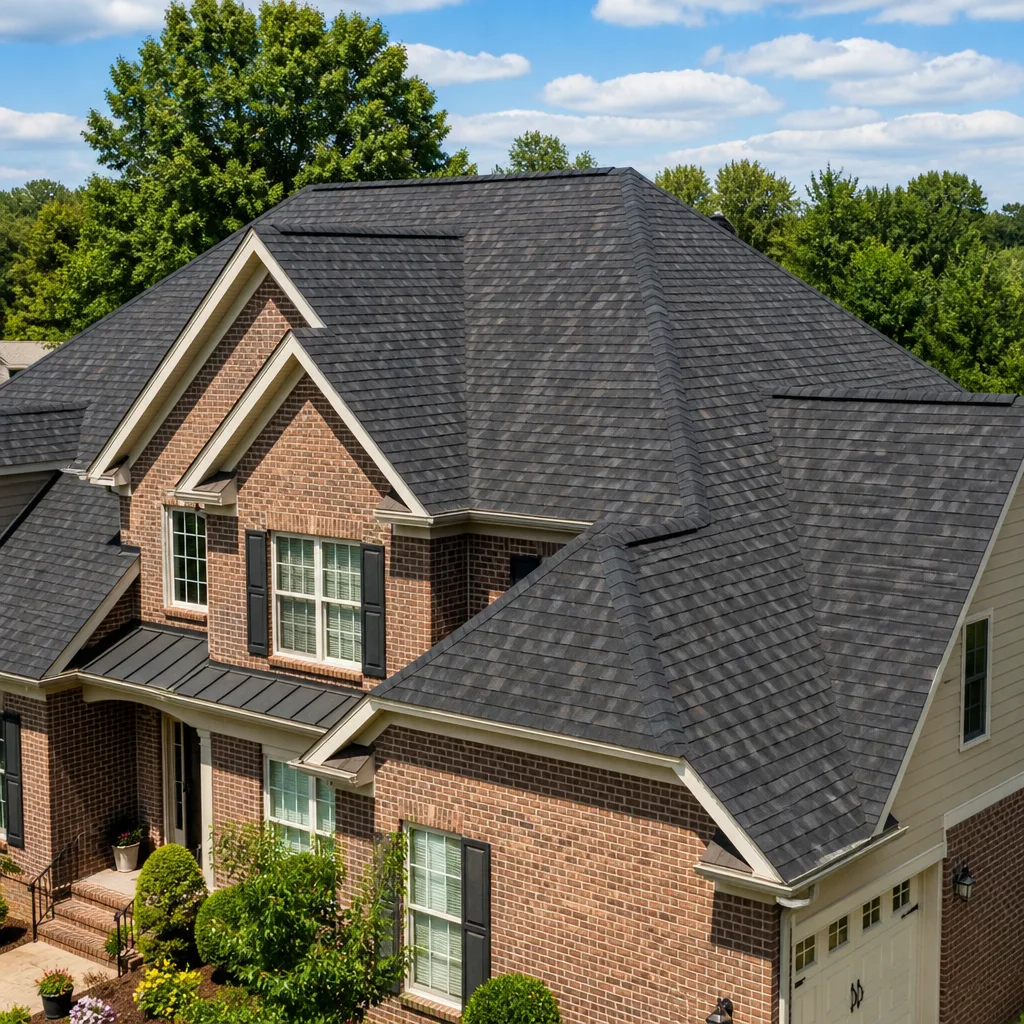 GAF
 Owens Corning
 Flat & low-slope
Free roof inspection with deck photos before we talk money - GAF and Owens Corning certified installation
Roofing Emergency Preparedness Guide for Sunrise Manor Homes
Sunrise Manor averages 11 days per year with wind gusts above 40 mph, and almost all of them arrive during monsoon season. That number matters because of what it does to a roof: a single gust can lift a run of ridge cap or peel flashing away from a wall, and once it does, you have somewhere between 12 and 48 hours before the next cell rolls through and turns a small opening into wet attic insulation, stained ceilings, and a repair bill that triples. A prepared Sunrise Manor homeowner can safely contain a flashing failure in about 20 minutes. An unprepared one is calling around at 10 p.m. hunting for a tarp. This guide covers what to keep in the garage before July 1, how to tarp the two most common failures safely, how to document damage in the first hour so your adjuster has what they need, and how to tell a local contractor from a storm chaser at 11 p.m.
Quick Answer
Emergency roofing preparedness in Sunrise Manor means three things: a specific kit of materials stored before monsoon season, a safe temporary-tarping procedure for lifted ridge cap and separated flashing, and a documented photo record of damage taken in the first hour. Stabilization you can do yourself from the ground or a ladder with the roof edge in reach. Actual repair of flashing, decking, or shingles requires a licensed contractor, and in Clark County certain structural repairs require a permit.
Styles & brands we work with
- Architectural shingles
- Metal roofing
- Tile roofing
- GAF
- Owens Corning
- Flat & low-slope
Table of Contents
- The Pre-Storm Supply Kit Every Sunrise Manor Garage Should Have by July 1
- How to Tarp a Lifted Ridge Cap or Separated Flashing Safely
- How to Document Storm Damage in the First Hour for Insurance
- Emergency Stabilization vs. Emergency Repair: What You Can Do and What Requires a License
- How to Vet an Emergency Roofing Call at 11 p.m.
- Why Sunrise Manor Roofs Fail in a Predictable Pattern
- Year-Round Readiness: The Off-Season Work That Prevents Emergencies
The Pre-Storm Supply Kit Every Sunrise Manor Garage Should Have by July 1
This is not a vague shopping list. It is a specific quantity and specification list, because the difference between a homeowner who contains a leak in 20 minutes and one who drives to a hardware store at 10 p.m. during a monsoon cell is whether the right materials were already on the shelf.
- One 20×30 heavy-duty tarp (6-mil minimum, woven polyethylene). That size covers a 10×20 section with overhang on all sides, which is enough for most ridge cap and flashing failures on a standard Sunrise Manor single-story home.
- Twelve 2×4 lumber scraps, 8 feet long. These become the anchor battens that hold the tarp down without relying on nails driven into your roof deck.
- One box of 1-5/8 inch exterior-grade screws and a cordless driver. Screws, not nails, for anything you attach above the roofline.
- One roll of butyl flashing tape, 4 inches wide. A temporary seal for a separated flashing joint around a vent stack or wall intersection.
- Two tubes of polyurethane roof sealant and a caulking gun. Polyurethane, not silicone, for the temporary patch.
- A 50-foot rope rated for climbing use, not clothesline. If you’re going up a ladder to reach a roof edge, the rope is for securing the ladder, not for you.
- A waterproof document pouch for insurance paperwork and a charged phone with a working camera.
Sunrise Manor sits in the northeast Las Vegas Valley where July and August highs regularly cross 105 degrees. Store the tarp and sealant out of direct sun; a tarp that has baked in a garage windowsill for two summers will tear at the first tug. Replace the sealant tubes each spring. Nothing on this list is expensive, and all of it fits on one shelf.
How to Tarp a Lifted Ridge Cap or Separated Flashing Safely
Two failures account for most monsoon roof calls in Sunrise Manor: ridge cap that has lifted or blown off at the peak, and flashing that has separated from a wall or vent penetration. Both allow water in fast. Both can be temporarily contained. Neither should be chased across a roof in wind or rain. A pitched roof in wet conditions is genuinely dangerous, and more homeowners are hurt from falls than from the water damage they were trying to stop. Work from a ladder with the roof edge in reach, and go up only when the roof is dry and the wind has dropped.
Step-by-step temporary tarping procedure
- Wait for the cell to pass. Tarping during active wind or rain is how people fall. The 12-48 hour window exists because monsoon cells are typically short; you’ll almost always get a dry hour between them.
- Set the ladder on level ground, footed. If you can’t get someone to foot the ladder, tie it off with the rope to a solid anchor. Do not lean it against a gutter; lean it against the fascia or wall.
- Unroll the tarp from the ground up, not the ridge down. Center it over the damaged area with at least 2 feet of overhang on all sides. Work from the eave end.
- Anchor with battens, not nails. Lay a 2×4 across the tarp at the eave side and screw through it into the fascia or sheathing edge (not through the shingles). Repeat at the ridge side and one batten mid-span.
- Seal the leading edge against wind. A tarp that lifts at speed will tear itself apart. Add a batten along the windward edge.
- Note the tarp date and material location. Write it on the pouch. Your adjuster will want the timeline.
For separated flashing around a vent or wall, the butyl tape and polyurethane sealant go on once the surface is dry: press the tape over the joint, then seal the edges with a bead of polyurethane. This is a temporary measure that buys you days, not seasons. The flashing itself has to be re-set or replaced by a licensed roofer, and on Sunrise Manor homes with stucco wall intersections, that means scoring and re-sealing the stucco joint properly or the leak returns at the next storm. When the repair is done right by our technicians, it’s covered by the Roof Repair in Sunrise Manor service and our written 90-Day Done Right Promise.
How to Document Storm Damage in the First Hour for Insurance
Adjusters deny or short-change claims because the homeowner documented the wrong things, not because the damage wasn’t real. In our experience across Sunrise Manor, the photos that get claims approved are the ones taken before the tarp goes up, before anything is moved, and with a timestamp visible. Here’s what to capture in the first hour, in order:
- Wide shots of each affected elevation from ground level, with the house address or a landmark visible in at least one frame to establish location.
- Mid-range shots showing the damaged area in context (which part of the roof, which wall).
- Close-ups of the failure itself (the lifted ridge cap, the separated flashing, the torn shingle) with a coin or tape measure for scale.
- Interior photos of every water stain, drip, or wet patch, including on ceilings, walls, and inside the attic. Photograph the attic sheathing where moisture has reached the deck.
- Ground shots of debris (shingles, granules, flashing pieces) with a timestamp.
- Written notes in a notebook: date, time, wind conditions, when the leak was first noticed, when the tarp went up. Handwritten dates and conditions carry weight because they’re hard to fabricate.
Timestamps matter. Most modern phones embed them automatically; check your camera settings before monsoon season. And capture the damage before you tarp, because once the tarp is up, the visible failure is covered. If you can safely do it, photograph the tarping itself. Adjusters appreciate timelines; they deny vague ones.
Emergency Stabilization vs. Emergency Repair: What You Can Do and What Requires a License
The line between what a homeowner can do and what requires a licensed contractor is sharper than most people realize. Getting on the wrong side of it creates liability and can complicate an insurance claim, so we spell it out plainly.
Emergency stabilization (homeowner can do safely)
- Tarping a damaged section from a ladder, with the roof edge in reach and the ladder footed or tied off.
- Applying butyl tape and sealant to a separated flashing joint once the surface is dry.
- Photographing and documenting damage.
- Clearing debris from gutters and downspouts to prevent further water backup.
- Moving furniture and belongings away from interior leaks and catching drips.
Emergency repair (requires a licensed contractor)
- Replacing flashing, ridge cap, shingles, or any part of the roof covering.
- Any repair that requires walking on the roof surface beyond the edge.
- Repairing or replacing sheathing, fascia, or the structural deck.
- Repairs that involve pulling a permit. In Clark County, most structural roof repairs and all re-roofs require a permit and inspection; the scope of a storm repair determines whether one is triggered, and a licensed contractor should make that call.
One more distinction: our home page and every estimate we deliver make clear we’re a licensed, insured and bonded contractor, and we hold the 90-Day Done Right Promise in writing – no paperwork runaround, no arguing. That’s what you want on the other end of an emergency call. It also means we won’t ask you to sign anything that shifts liability while a storm is still active. For full roof failures or anything beyond temporary containment, the right move is Roof Replacement & Installation in Sunrise Manor, not a patch.
How to Vet an Emergency Roofing Call at 11 p.m.
After a big monsoon cell moves through the Las Vegas Valley, out-of-state crews roll in and start cold-calling. Most are gone by the next spring. Three questions separate a local contractor from a storm chaser working a circuit, and any legitimate company will answer them without hesitation.
- “What’s your physical business address, and how long have you worked in the Valley?” A local contractor has a standing address and a track record in the local market. A storm chaser has a hotel room and a rental truck.
- “Can you send me a written estimate with line items and a workmanship warranty before I sign anything?” A local contractor provides upfront pricing and a written guarantee. A storm chaser quotes a lump sum and wants a deposit tonight. Anyone pressuring you for a deposit on the phone at 11 p.m. is a warning sign.
- “Will you pull the permit if one is required, and can you show me your license and insurance?” A licensed contractor will pull the permit and prove insurance on request. If they can’t, don’t let them on the roof.
For the record: Ridgeline Roofing Co. answers every call with a live person 24/7, including nights, weekends, and the middle of a storm. We’ve been standing behind local roofs since 1984 – over 42 years – because we hire local crews and plan to be in town in thirty years. Our technicians are background-checked and arrive in uniform, and every inspection is documented with photos taken from your actual roof. If you’d like a free second opinion on any written estimate you’ve been offered, that’s a standing offer.
Why Sunrise Manor Roofs Fail in a Predictable Pattern
Sunrise Manor sits against the eastern edge of the valley where wind exposure is different from the neighborhoods tucked into the foothills. The failures we see follow a pattern you can plan around. The first sustained monsoon cell of the season is the riskiest, because the roof has spent nine months baking under desert sun, which ages sealant and asphalt, and the first wind gusts hit materials that have already lost flexibility. Ridge cap is the first thing to go, then wall and vent flashing, then shingle tabs that were already curling at the edges.
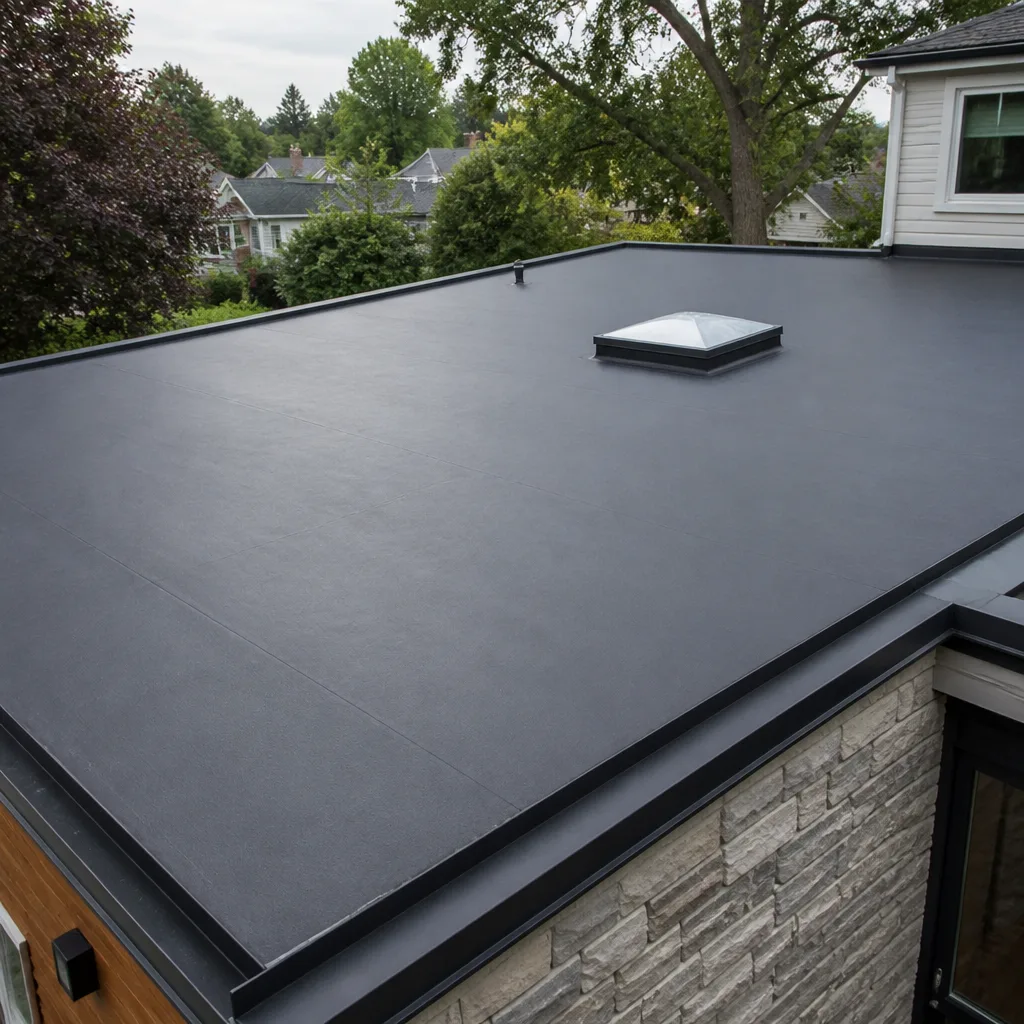
Tile roofs common in older Sunrise Manor neighborhoods present a different risk. Tile is durable against heat but brittle at the fasteners, and a lifted tile can admit water at the underlayment before you see a single missing tile from the ground. Flat or low-slope sections over carports and additions are another local pattern: standing water pools against a scupper that has filled with desert dust, and the water finds the seam. Our Specialty Roofing in Sunrise Manor service handles these low-slope and tile repairs, and it’s the work we’d recommend scheduling in the dry months rather than in the middle of a storm.
What makes this pattern useful is that it’s predictable. If you know ridge cap goes first, you inspect ridge cap in June. If you know flashing separates at stucco walls, you check the stucco joints in May. Preparedness in Sunrise Manor isn’t about reacting faster after a storm. It’s about knowing where your roof will fail and checking those spots before the first cell.
Year-Round Readiness: The Off-Season Work That Prevents Emergencies
Most emergency calls we take in Sunrise Manor wouldn’t be emergencies if the off-season work had been done. The dry months, roughly October through June, are when a roof can be inspected and its weak points addressed without pressure. That’s the time to fix a curling shingle, re-set a flashing joint, re-seal stucco intersections, and clear the scuppers on low-slope sections. It’s also the time for a photo-documented inspection that shows you where you stand, so a monsoon failure surprises you less.
Two concrete things to schedule in the off-season:
- A spring roof inspection before July 1, with photos of ridge cap, flashing, and skylights from the actual roof surface. Ask to see the photos. A reputable contractor provides them without a scary speech in the driveway.
- A gutter and downspout clearing before monsoon season, especially on the low-slope sections over carports and additions. A clogged scupper turns a small ponding issue into a leak that reaches interior ceilings.
Our seasonal tune-up is $89, and our technicians use up to ten years of experience to document what they see and what needs attention. If the answer is “nothing yet,” you’ll hear that plainly. Authorization for the seven manufacturer lines we install – GAF, CertainTeed, Owens Corning, IKO, Atlas, Tamko, and Boral – means when repair is the answer, proper materials go on with no substitutions. And when replacement is the answer, the number on the estimate is the number on the invoice.
Common Mistakes to Avoid
- Tarping during active wind or rain. This is the single largest source of storm-related injuries. Wait the cell out; the 12-48 hour window gives you a dry hour almost every time.
- Photographing the damage after tarping. Once the tarp is up, the visible failure is covered. Capture the damage first, then tarp.
- Nailing through shingles to hold a tarp. Every nail is a new hole in the covering. Use battens on the fascia and sheathing edge, not nails through the field.
- Paying a deposit on a cold call after a storm. Anyone demanding money tonight for “tomorrow’s crew” is a warning sign in Sunrise Manor as much as anywhere.
- Letting a crew start work without confirming the permit requirement for structural repairs. In Clark County, the scope determines whether a permit is needed, and a licensed contractor should make that call before any structural work.
- Using silicone instead of polyurethane for a temporary patch. Silicone won’t bond reliably to a wet or dusty roof surface in the desert; polyurethane is the right temporary sealant.
- Skipping the off-season inspection. The most expensive storm calls are the ones that a $89 spring tune-up would have prevented, because the weak point was visible in June.
See the difference
 Before
 After
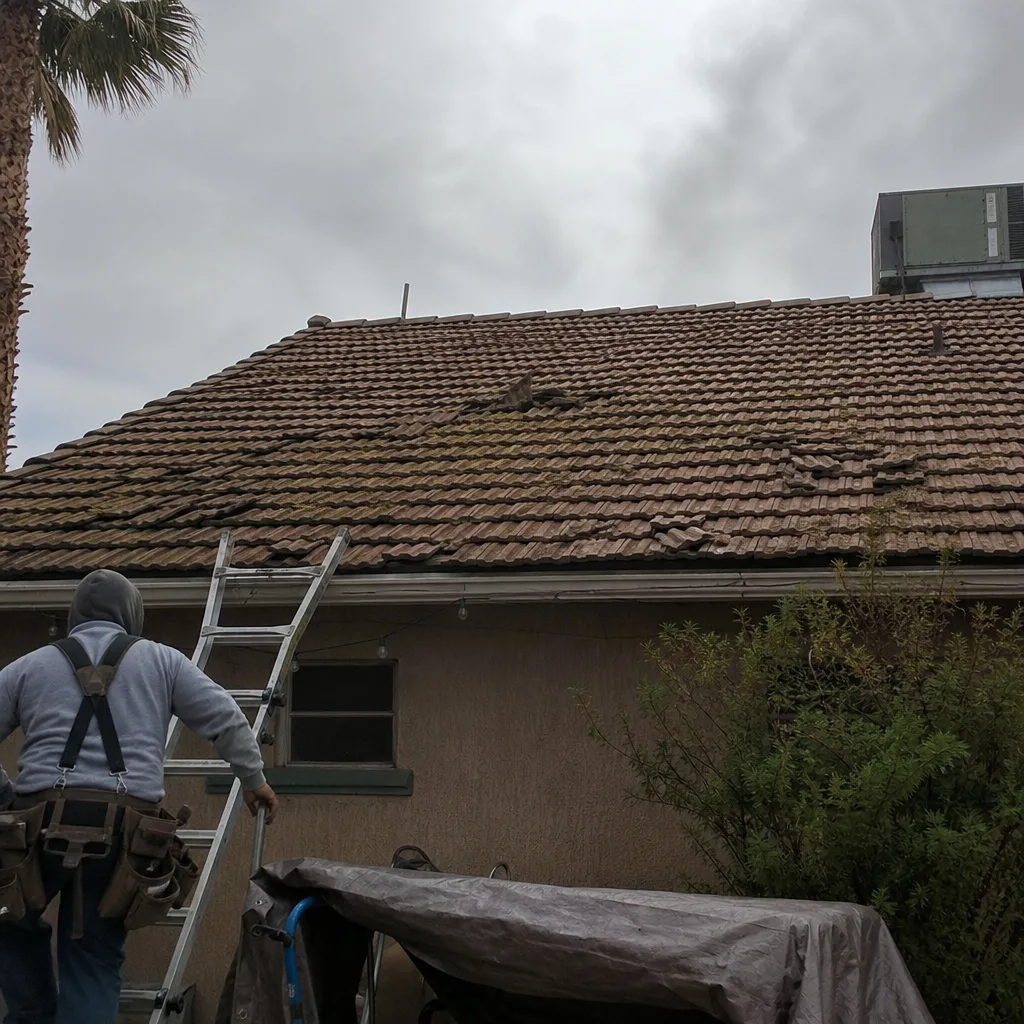 Before
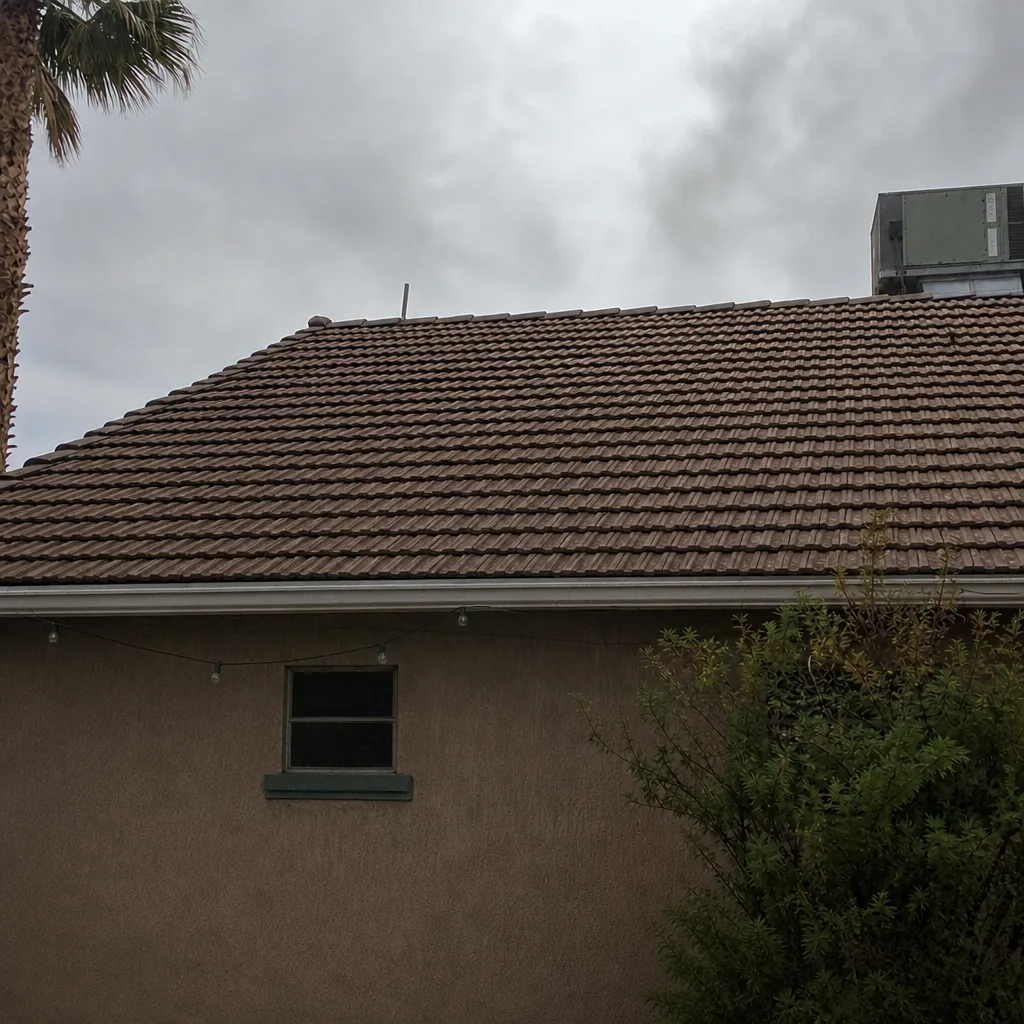 After
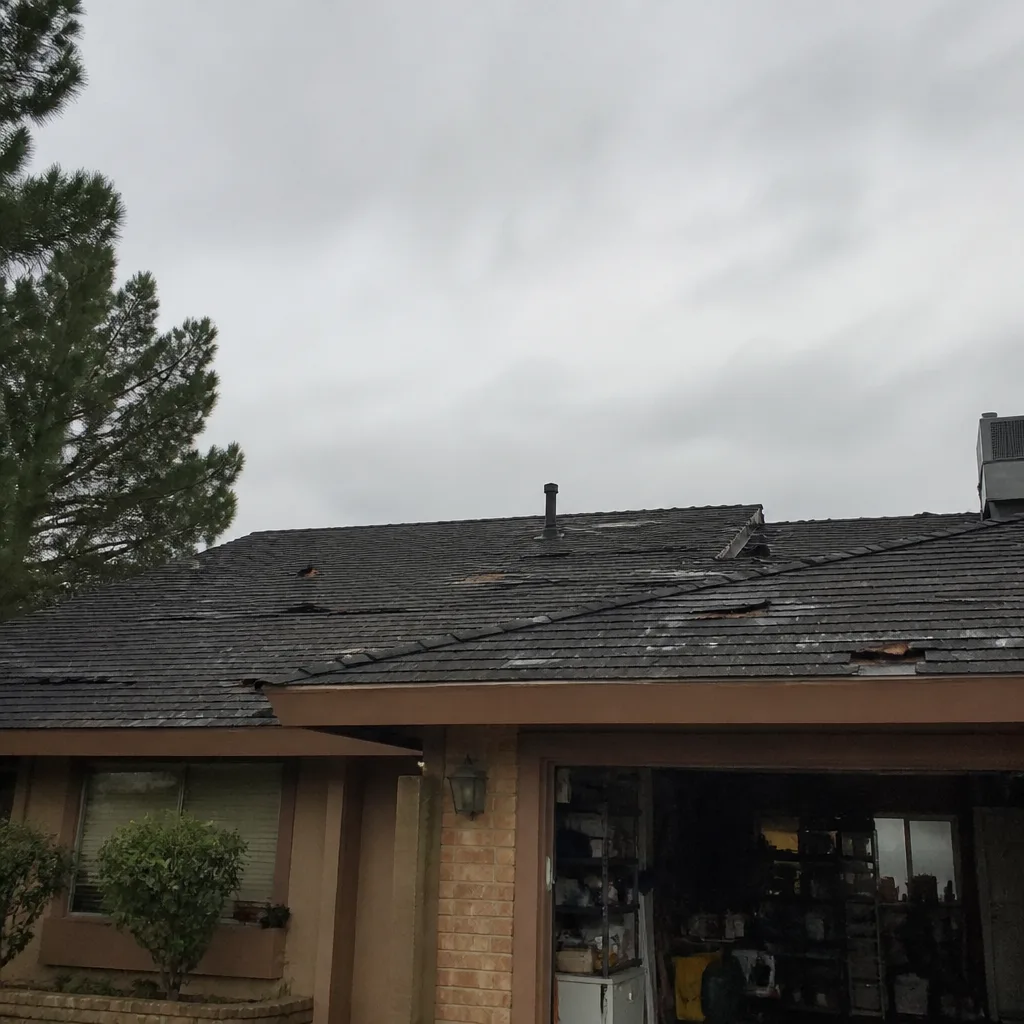 Before
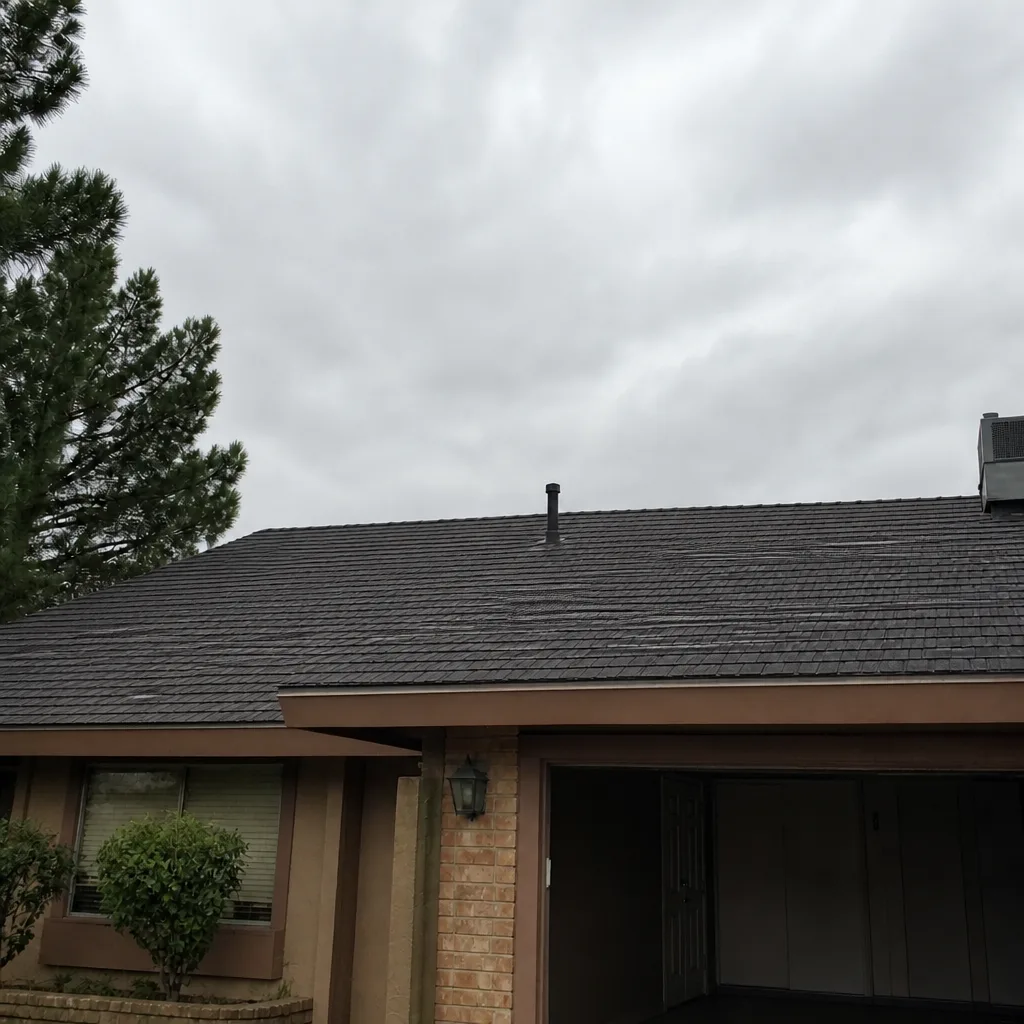 After
When to Call a Professional
Call a professional when the failure is beyond temporary containment: separated flashing that needs re-setting, missing or damaged shingles that expose the deck, any repair that requires walking on the roof surface beyond the edge, structural damage to sheathing, fascia, or deck, or any repair that may trigger a Clark County permit. Call us when you need a photo-documented inspection to know where you stand before monsoon season, or when a written estimate from another company needs a free second opinion. Ridgeline Roofing Co. Sunrise Manor offers free estimates in Sunrise Manor. Call (844) 941-3509 and a live person will answer, day or night, including during the storm. For the full picture of who we are and what we do, see our Ridgeline Roofing Co. Sunrise Manor home.
Frequently Asked Questions
Emergency roof repair in Sunrise Manor typically runs $250 to $900 for temporary stabilization and minor flashing or ridge cap repair, and $900 to $3,500 or more when shingles, sheathing, or decking need replacement. Exact pricing depends on the scope and whether a permit is required. Call (844) 941-3509 for an exact quote – estimates are free, and the number on the estimate is the number on the invoice.
Yes, if you can reach the damaged area from a ladder with the roof edge in reach, the roof is dry, and the wind has dropped. Wait for the cell to pass, foot or tie off the ladder, anchor the tarp with battens rather than nails, and photograph the damage before you tarp. Never work on a pitched roof during active wind or rain. Call (844) 941-3509 if the damage is beyond temporary containment.
Adjusters want wide shots of each affected elevation with your address visible, mid-range shots showing the damaged area in context, close-ups with a scale reference, interior photos of every water stain and attic sheathing, ground shots of debris, and written notes with dates and wind conditions. Timestamps matter, and capture the damage before you tarp. Call (844) 941-3509 for a documented inspection and free estimate if you’re unsure what to capture.
Ask for a physical business address and how long they’ve worked in the Valley, a written line-item estimate with a workmanship warranty before you sign, and proof of license and insurance on request. A local contractor answers all three without hesitation. A storm chaser quotes a lump sum and wants a deposit tonight. Call (844) 941-3509 for a free second opinion on any written estimate.
Often, yes. Most structural roof repairs and all re-roofs in Clark County require a permit and inspection, and the scope of the storm repair determines whether one is triggered. A licensed contractor should make that call before any structural work begins. If a crew won’t pull the permit, don’t let them on the roof. Call (844) 941-3509 to schedule a free estimate.
Most temporary stabilization takes a few hours, and minor flashing or ridge cap repair is typically completed in a single visit. Larger repairs involving sheathing or multiple sections may take two to three visits, and any permit adds inspection time. Call (844) 941-3509 to schedule a free estimate and we’ll tell you plainly what to expect.
The Bottom Line
Sunrise Manor roofing emergencies follow a pattern, and that pattern is the entire reason preparedness works. The first monsoon cell of the season is the riskiest, ridge cap and flashing fail first, and the homeowner has 12 to 48 hours before the next cell to contain the damage. Stock the supply kit by July 1, learn the tarping procedure so you can do it in 20 minutes, document the damage before you tarp, and know the three questions that vet a contractor at 11 p.m. Do the off-season inspection in the dry months, and most of these emergencies never happen. And if one does, call a company that answers the phone and stands behind the work in writing.
When a monsoon cell has opened a section of your roof in Sunrise Manor, call (844) 941-3509 for a free estimate. A live person answers every call, 24/7, including the middle of the storm. Every job is backed by our 90-Day Done Right Promise: done right, and if it isn’t, we make it right, no paperwork and no arguing.
Written by the team at Ridgeline Roofing Co. Sunrise Manor.